
From Training to Business: Building a Career in Cosmetic Tattooing
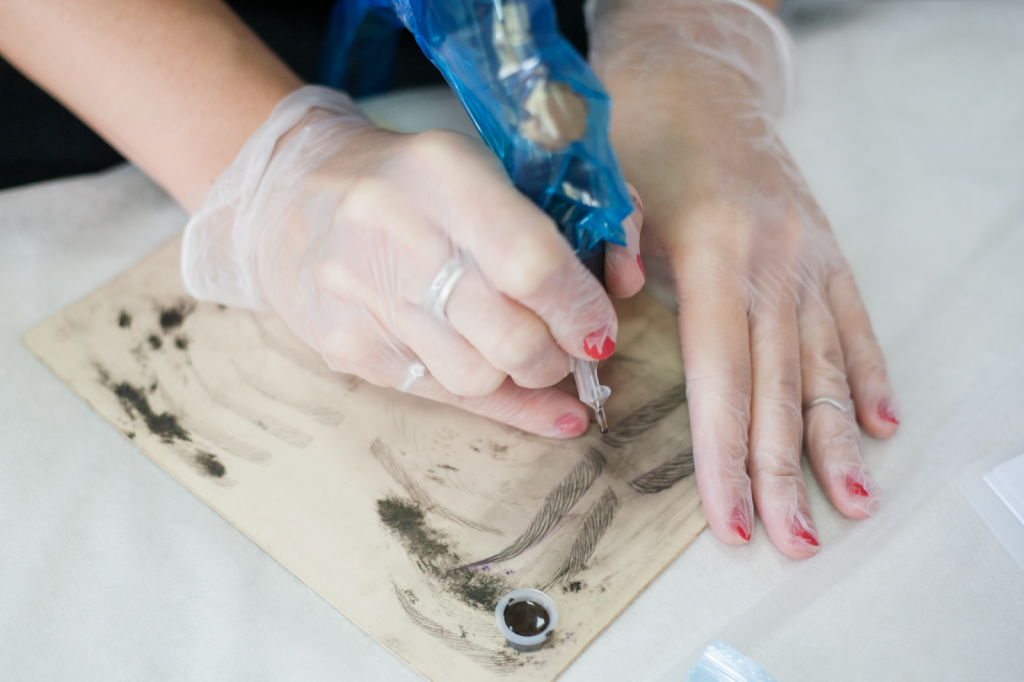
Why Choose a Career in Cosmetic Tattooing? The beauty industry is ever-evolving, and one of the most exciting areas is cosmetic tattooing. This field offers not only artistic fulfillment but also the potential for a lucrative career. As beauty standards shift towards more permanent solutions, the interest and demand for cosmetic tattooing continue to rise. If you’re considering a path in cosmetic tattooing, it’s essential to understand the journey from training to establishing your own business, as well as the ongoing evolution of techniques and styles within the field. Training providers like Future Aesthetica play a key role in preparing artists for success while helping them adapt to the ongoing evolution of techniques and styles within the field. What Is Cosmetic Tattooing? Cosmetic tattooing, also known as permanent makeup, involves implanting pigment into the skin to enhance facial features. This can include procedures like eyebrow microblading, eyeliner, and lip blush. These services are particularly appealing to those seeking to streamline their beauty routines and achieve long-lasting results. The demand for these services is on the rise as more people seek low-maintenance beauty solutions, and this trend shows no sign of slowing down. Why Is Cosmetic Tattooing in High Demand? The appeal of cosmetic tattooing lies in its ability to offer personalised beauty solutions that cater to individual needs and preferences. Whether it’s creating the perfect brow shape or adding a subtle tint to the lips, these procedures provide a customised approach to enhancing one’s natural beauty. As the industry continues to expand, practitioners are continually developing new techniques to meet the diverse needs of their clients. A career in cosmetic tattooing is not only about creating art but also about helping clients feel more confident in their appearance. It’s a rewarding profession that combines creativity, skill, and the satisfaction of making a positive impact on people’s lives. Moreover, the financial prospects are promising, with many practitioners earning a substantial income due to the high demand for their services. Flexibility and Independence in the Industry A career in cosmetic tattooing offers flexibility and independence. Many practitioners have the opportunity to set their schedules and work in environments that suit their preferences, whether it’s a home-based studio or a bustling beauty salon. This flexibility allows for a better work-life balance and the freedom to pursue personal and professional goals simultaneously. Why Proper Training Is Essential To embark on a career in cosmetic tattooing, you must first undergo proper training. This is crucial not only for mastering the techniques but also for ensuring the safety and satisfaction of your clients. Comprehensive training equips you with the knowledge and skills necessary to perform procedures with precision and care, reducing the risk of complications and enhancing client satisfaction. What to Look for in Training Programs Training programs often include both theoretical and practical components, allowing you to understand the science behind the procedures while gaining hands-on experience. This combination of knowledge and practice is essential for building confidence and competence in your work. Furthermore, learning from experienced professionals provides valuable insights and tips that can significantly enhance your skill set. When selecting a training program, look for courses that offer comprehensive instruction in various techniques and styles. A good program should cover the fundamentals of colour theory, skin anatomy, and hygiene practices. These foundational topics are crucial for understanding how to achieve the desired results safely and effectively. Additionally, consider courses that provide hands-on practice and include a kit with essential tools and pigments, as these will be invaluable when starting your career. It is also beneficial to choose a program that offers ongoing support and mentorship even after the training is completed. This support can be invaluable as you begin your career and encounter new challenges or questions. Programs that provide opportunities for advanced training and specialisation can also help you stay competitive and expand your service offerings over time. The Importance of Certification Certification is a vital step in your career development. It not only validates your skills but also builds trust with potential clients. In an industry where safety and expertise are paramount, a recognised certification serves as a testament to your commitment to excellence and professionalism. Ensure the program you choose is recognised by reputable industry organisations, as this can enhance your credibility and increase your chances of success. Certification can open doors to more job opportunities and increase your credibility in the cosmetic tattooing business. Clients are more likely to choose a certified practitioner, knowing they have met industry standards for safety and quality. Additionally, certification can provide access to a network of professionals and resources that can support your ongoing career development. Starting Your Cosmetic Tattoo Business Once you’ve completed your training, the next step is to establish your cosmetic tattoo business. This involves several key considerations, from finding the right location to marketing your services. A well-thought-out business plan can help guide your efforts and ensure a successful launch. When setting up your studio, choose a location that is easily accessible and presents a professional image. A well-located studio can attract more clients and make it easier for them to return for follow-up appointments or additional services. Your studio should comply with health and safety regulations, and it’s essential to create a comfortable and welcoming environment for your clients, complete with modern, clean facilities and a soothing ambiance. Consider the layout and design of your studio to ensure it meets both functional and aesthetic needs. Investing in high-quality equipment and furnishings can enhance the client experience and reflect the professionalism of your business. Additionally, establishing a relaxing and inviting atmosphere can encourage repeat business and positive word-of-mouth referrals. Marketing Your Services Effectively Effective marketing is crucial for attracting clients to your cosmetic tattoo business. Utilise social media platforms to showcase your work and engage with potential clients. Regularly posting before-and-after photos, client testimonials, and educational content about your services can help build a strong online presence. Create a portfolio of before-and-after photos to demonstrate your skills and
Brows Lips or Eyes: Choosing the Right Cosmetic Tattoo Training for Your Career
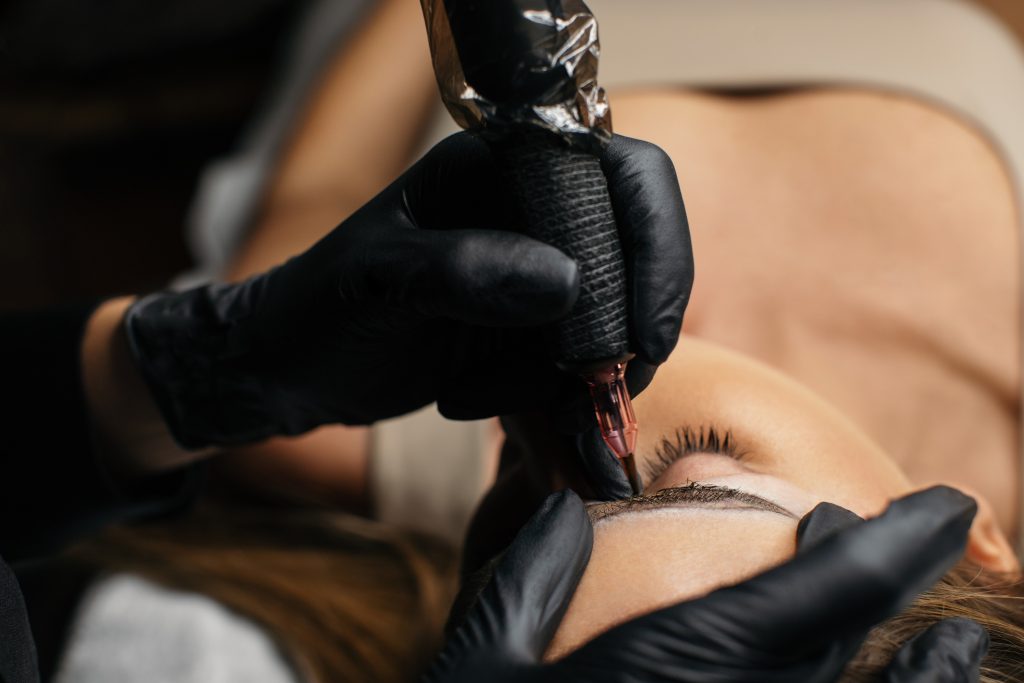
Why Cosmetic Tattoo Training Matters Choosing the right cosmetic tattoo training can be a game-changer for your career. Whether you’re interested in mastering the art of eyebrow tattoos, lip blush, or eyeliner, the right training will set the foundation for your success. With the booming beauty industry, pursuing a career in cosmetic tattooing offers numerous opportunities for growth and creativity. It’s an arena where artistry meets precision, providing endless possibilities for those willing to learn and evolve. In this guide, we’ll explore the different types of cosmetic tattoo training available and how to select the best one for you. Making an informed choice can open doors to a fulfilling and lucrative career path, especially with trusted providers like Future Aesthetica supporting your journey. What Is Cosmetic Tattooing? Cosmetic tattooing, also known as permanent makeup, involves using a tattoo machine or hand tool to implant pigments into the skin. This practice enhances natural beauty by defining facial features such as eyebrows, lips, and eyes, providing clients with a convenient alternative to daily makeup application. The increasing demand for these services has led to a rise in training programs, particularly in vibrant cities like Sydney, where beauty trends are constantly evolving. As more people seek natural-looking enhancements, the need for skilled cosmetic tattoo artists continues to grow, creating a dynamic and competitive industry. The Skills Behind Cosmetic Tattooing The procedure requires a keen eye for detail and a deep understanding of facial symmetry and colour theory. Successful cosmetic tattoo artists combine technical skills with an artistic touch to create results that harmonise with the client’s natural features. This balance between science and art is what makes cosmetic tattooing both challenging and rewarding. As the industry expands, so does the variety of techniques and styles, allowing artists to cater to a diverse clientele with unique preferences and needs. Why Choose a Career in Cosmetic Tattooing? The cosmetic tattoo industry is thriving, offering beauty professionals a rewarding career path. Here are a few reasons why you might consider this field: When it comes to cosmetic tattoo training, there are several courses to choose from, depending on the area you want to specialise in. Each course focuses on specific techniques and skills, providing a comprehensive understanding of the chosen specialty. Types of Cosmetic Tattoo Training Eyebrow tattoos, or microblading, are one of the most popular forms of cosmetic tattooing. This technique involves creating fine, hair-like strokes to mimic natural brows, offering a semi-permanent solution that frames the face beautifully. Brow tattoo training will cover everything from colour theory to skin anatomy and brow mapping. You’ll learn how to assess face shapes and choose the right pigments to achieve natural-looking results. The training also emphasises the importance of hygiene and safety protocols, ensuring that you can perform procedures with confidence and care. As trends evolve, brow artists must stay updated with the latest techniques, such as ombre brows and powder brows, to meet diverse client preferences. An excellent training program will equip you with the skills to adapt and innovate in this ever-changing field. Lip blush tattooing enhances the natural colour and shape of the lips, providing a fuller and more defined look. This technique uses a gentle shading method to create a soft, natural gradient, eliminating the need for daily lipstick application. A lip blush tattoo course will teach you how to apply pigments evenly and create a natural gradient effect, focusing on colour selection and symmetry. You’ll also learn about the different tools and machines used in the process, understanding how to maintain a steady hand and precise application. The course will cover how to work with different lip shapes and skin tones, ensuring that you can cater to a wide range of clients. The ability to enhance a client’s natural beauty while offering a low-maintenance solution is what makes lip blush tattooing a sought-after service. Eyeliner tattoos define the eyes, making them appear larger and more striking. This permanent solution saves time and effort for clients who want a consistent look every day. In an eyeliner tattoo course, you’ll learn various techniques, from subtle lash enhancements to bold eyeliner designs, allowing you to cater to different style preferences. The course will teach you about the anatomy of the eye and how to work safely around this sensitive area. You’ll gain expertise in creating precise lines and understanding how to adjust techniques for different eye shapes. Mastering eyeliner tattooing requires a steady hand and a keen eye for detail, as even the slightest mistake can affect the overall appearance. If you’re unsure which area to specialise in, consider a comprehensive cosmetic tattoo course. These programs cover all major areas, including brows, lips, and eyes, providing a well-rounded education in cosmetic tattooing. This option is ideal for those who want to offer a full range of services and appeal to a broader clientele. The comprehensive course will introduce you to each specialty, allowing you to explore your interests and strengths. You’ll receive training in various techniques, gaining the versatility needed to adapt to client requests and industry trends. This broad education can be advantageous for those looking to start their own business or work in a salon setting, where a diverse skill set is highly valued. How to Choose the Right Training Program Choosing the right training program is crucial to your success as a cosmetic tattoo artist. With so many options available, it’s important to consider several factors to ensure you make the best choice for your career goals and learning preferences. Ensure that the training program is accredited and offers certification upon completion. A recognised certification will bolster your credibility and reassure clients of your skills. Accreditation also indicates that the program meets industry standards, providing you with a quality education that equips you for real-world challenges. Certification can open doors to job opportunities and client trust, serving as a testament to your expertise and dedication to the craft. It’s worth researching the reputation of the training provider and their standing in
Mastering Lash Liners: The Future of Hyperrealistic Cosmetic Tattoos
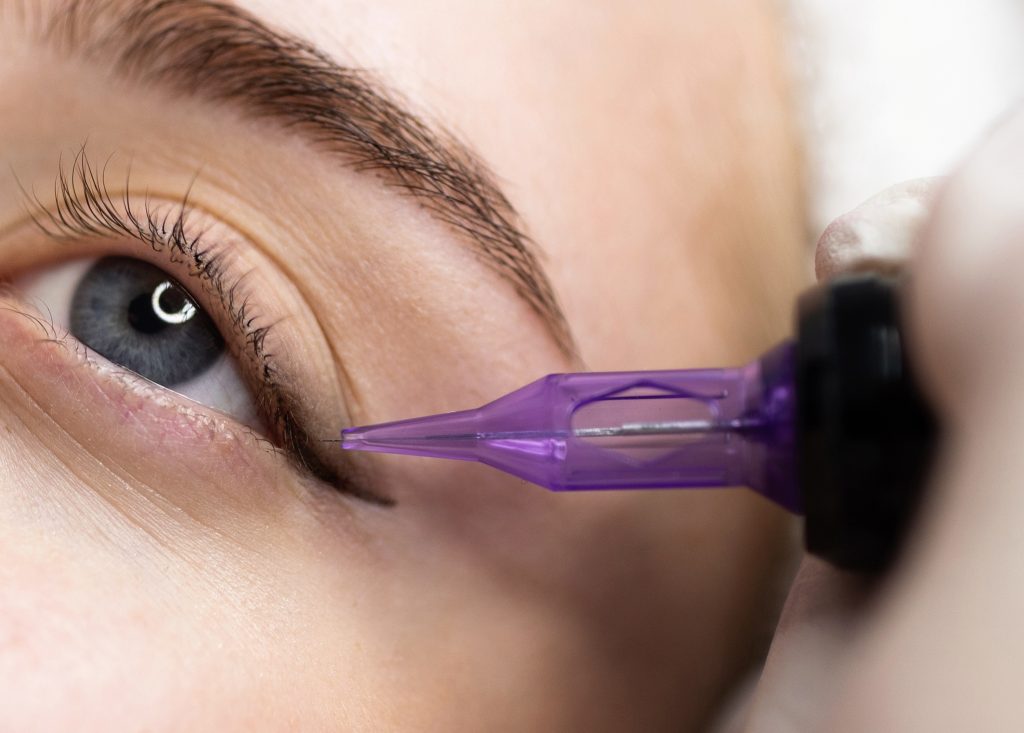
In the ever-evolving world of beauty, new trends and techniques constantly emerge to redefine the standard of aesthetics. Among the latest innovations captivating the industry is the lash liner tattoo, a revolutionary technique in cosmetic tattooing that offers a hyperrealistic solution for enhancing the eyes. This advancement is not just a fleeting trend but represents a significant shift in how beauty enthusiasts approach eye makeup. At Future Aesthetica, we’ve seen how lash liner tattoos are reshaping beauty standards and giving clients a natural yet transformative enhancement. If you’re intrigued by this cutting-edge development, read on to discover everything you need to know about mastering lash liners and their potential to transform the beauty landscape. What Are Lash Liner Tattoos? A lash liner tattoo is a specialised form of cosmetic tattooing meticulously designed to enhance the natural lash line. Unlike traditional eyeliner tattoos, which often create a bold and defined line, lash liner tattoos focus on subtlety and aim to give the illusion of fuller, thicker lashes. This technique is perfect for those who desire a natural look but still want their eyes to stand out with a hint of allure. The procedure involves depositing pigment delicately along the lash line using a fine needle. This creates a soft definition that mimics the appearance of naturally voluminous lashes, providing a seamless enhancement that is both subtle and striking. It’s a game-changer for individuals who want to enhance their eyes’ appearance without the daily hassle of applying makeup, offering a solution that is both practical and aesthetically pleasing. What Are Lash Liner Tattoos? In addition to lash liner tattoos, baby liner tattoos are gaining significant traction in the beauty world. This technique is similar in execution but focuses on creating a thin, delicate line just above the lashes. The result is a subtle enhancement that accentuates the eyes without overpowering them, making it ideal for individuals who favor a minimalist approach to beauty. Why Are Hyperrealistic Lash Liners So Popular? The appeal of hyperrealistic lash liners lies in their ability to create a natural, effortless look that is both timeless and versatile. Unlike traditional eyeliner, which can be time-consuming to apply and remove, a lash liner tattoo offers a long-lasting solution that saves time and effort. It provides the perfect balance between convenience and aesthetics, ensuring you look your best with minimal daily effort. Can Lash Liner Tattoos Be Customised? Hyperrealistic lash liners are also highly customisable, allowing clients to choose the thickness, colour, and style that best suits their preferences and facial features. Whether you desire a barely-there enhancement or a more defined look, lash liner tattoos can be tailored to meet your unique needs. This customisation ensures that the result not only complements your natural features but also aligns with your personal style and beauty goals. What Training Is Required to Master Lash Liner Tattoos? For beauty professionals aiming to offer lash liner services, mastering this technique requires advanced training. The process involves precision, artistry, and a comprehensive understanding of the anatomy of the eye. Specialised training programs are available to help artists perfect their techniques and offer clients the best possible results, ensuring a high standard of service and satisfaction. Training in lash liner tattooing covers various critical aspects to ensure proficiency and safety: By mastering these skills, beauty professionals can offer clients a transformative experience that enhances their natural beauty with lasting effects, setting themselves apart in a competitive industry. What Does the Lash Liner Procedure Involve? If you’re considering a lash liner tattoo, understanding the procedure will help set realistic expectations and ensure a satisfying experience: What Should You Expect During Healing? After getting a lash liner tattoo, it’s normal to experience some swelling and redness. These symptoms usually subside within a few days as your skin begins to heal. As the area heals, the pigment may initially appear darker, but it will gradually fade to the desired shade, revealing a natural and elegant enhancement. What Are the Benefits of Lash Liner Tattoos? Eyeliner tattoos offer numerous benefits that make them an attractive option for many: How Do You Choose the Right Lash Liner Artist? For those in Sydney or any location, finding a skilled artist is crucial to achieving the best results. Look for professionals with extensive experience and positive client reviews, as their reputation is a reflection of their expertise. A reputable artist will have a portfolio showcasing their work, allowing you to assess their style and proficiency before committing. Before booking an appointment, consider asking the following questions to ensure you’re making an informed decision: These questions will help you gauge the artist’s experience and professionalism, ensuring you receive the highest quality service and results. Final Thoughts: Are Lash Liner Tattoos the Future of Beauty? Lash liner tattoos represent the future of hyperrealistic cosmetic tattoos, offering a natural, effortless way to enhance the eyes. Whether you’re a beauty enthusiast looking for a long-lasting solution or a professional seeking to expand your skills, mastering lash liners is a worthwhile investment. With the right training and expertise, you can achieve stunning results that enhance your natural beauty and simplify your daily routine, setting new standards in the world of beauty. For more information, visit our website Future Aesthetica.
Accredited vs Non-Accredited Cosmetic Tattoo Training: Which Path is Right for You
In this guide, we’ll break down what you need to know about both accredited and non-accredited cosmetic tattoo training to help you decide which path is best suited for your career goals. We’ll explore the nuances of each option, weighing their pros and cons, and providing insights to aid in your decision-making process. With informed choices, you can navigate your professional journey with confidence and clarity, ensuring you invest time and resources into the training that will best serve your future ambitions, an area where Future Aesthetica is dedicated to helping aspiring artists make informed choices. What Is Cosmetic Tattoo Training? Cosmetic tattoo training, often referred to as permanent makeup training, involves learning techniques to apply semi-permanent pigments to the skin. This intricate skill is used to enhance facial features such as eyebrows, eyeliner, and lips, transforming clients’ appearances with precision and artistry. As the beauty industry grows, so does the demand for skilled cosmetic tattoo artists, making this a lucrative field for those with a passion for beauty and aesthetics. The training encompasses a variety of techniques and tools, from microblading to digital machine methods. Trainees learn how to work with different skin types and tones, customise pigments, and create natural-looking enhancements that complement individual features. With the rising popularity of cosmetic tattooing, practitioners who are well-trained in the latest trends and techniques are highly sought after, underscoring the importance of choosing the right training program. Why Does Accreditation Matter in Cosmetic Tattoo Training? Accreditation is a form of quality assurance for training programs. When a course is accredited, it means that it has been reviewed and approved by a recognized accrediting body. This ensures that the course meets specific industry standards and provides quality education, aligning with the latest advancements and safety protocols in the field. Accreditation serves as a mark of credibility, assuring prospective students and employers that the training adheres to professional benchmarks. Moreover, an accredited course often undergoes periodic evaluations to maintain its status, ensuring continuous improvement and relevance. This ongoing assessment helps keep the curriculum updated with the latest industry trends and technologies, preparing students to meet the evolving demands of the beauty sector. Accreditation also reflects the institution’s commitment to excellence, providing peace of mind to students investing in their education. What Are the Benefits of Accredited Cosmetic Tattoo Training? What Are the Drawbacks of Accredited Courses? While accredited courses offer numerous benefits, they can also be more expensive and require more time to complete. It’s essential to weigh these factors against your career goals and financial situation. Consider if the investment aligns with your long-term aspirations and whether the potential return in terms of career advancement justifies the cost. Additionally, the structured nature of accredited programs may demand a more significant time commitment, which might not be feasible for everyone. Assess your schedule, financial resources, and career objectives to determine if an accredited course fits within your plans. Balancing these considerations will help ensure that your choice supports both your immediate needs and future ambitions. What Is Non-Accredited Cosmetic Tattoo Training? Non-accredited training programs are courses that have not been formally reviewed by an accrediting body. While they may not have official recognition, they can still offer valuable skills and knowledge. These programs often cater to niche markets or emerging trends, providing specialised training that might not yet be covered by traditional accredited courses. These courses can be ideal for those looking to experiment with new techniques or enhance specific skills without the constraints of a rigid curriculum. However, the lack of formal recognition means that students need to carefully evaluate the course content and instructor qualifications to ensure they receive quality education. What Are the Advantages of Non-Accredited Courses? What Are the Risks of Non-Accredited Training? Without accreditation, it might be harder to gain credibility in the industry. Potential employers and clients may question the quality of your training, making it crucial to demonstrate your skills through a strong portfolio and testimonials. Additionally, the quality of education can vary widely among non-accredited courses, so research is crucial before enrolling. Evaluate the reputation of the course provider, seeking reviews and feedback from past students. Consider the instructor’s experience and the curriculum’s relevance to current industry practices. By thoroughly investigating these factors, you can mitigate the risks associated with non-accredited training and make an informed decision that supports your professional growth. How Do You Decide Between Accredited and Non-Accredited Courses? Before choosing a training path, consider your long-term career goals. If you aim to work in high-end salons or start your own business, an accredited course might offer more benefits. The formal recognition and comprehensive education can enhance your professional credibility and open doors to prestigious opportunities. Conversely, if you’re looking to learn specific skills quickly and at a lower cost, a non-accredited course could be the right choice. It allows for rapid skill acquisition, which can be advantageous if you wish to explore or diversify your service offerings quickly. How Does Learning Style Influence Your Choice? Consider how you learn best. Do you prefer a structured environment with a detailed curriculum, or are you more comfortable with flexible, hands-on learning? Understanding your learning style can help you choose the right course. Accredited courses often provide a more organised approach, while non-accredited ones may offer experiential learning with more room for creativity. Reflect on past educational experiences to identify what worked well for you and what didn’t. This self-awareness will guide you in selecting a program that not only fits your career goals but also enhances your learning experience, ensuring you gain the most from your training investment. Why Should You Research and Compare Courses Thoroughly? Take the time to research and compare different courses. Look at reviews, talk to alumni, and reach out to instructors to get a sense of what each program offers. Make sure to consider factors such as course content, duration, cost, and instructor qualifications. Thoroughly vetting your options will provide a clearer picture of what to expect
Eyebrow Tattoo Guide: Types, Cost, Healing Process & Before–After Results
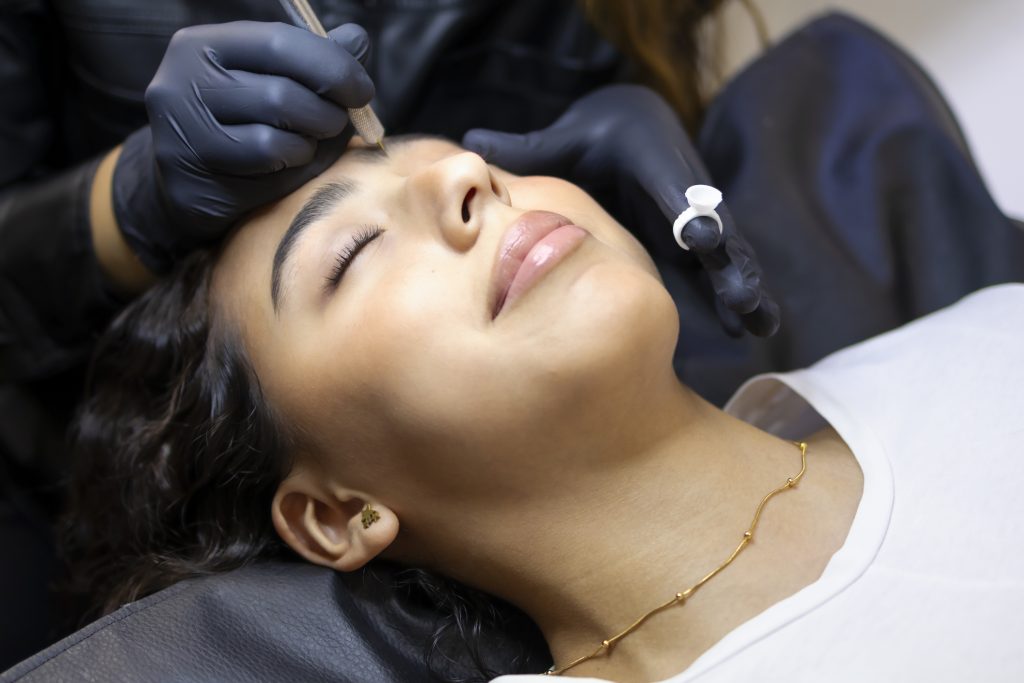
Cosmetic eyebrow tattooing transforms sparse arches into defined, lasting brows with semi-permanent pigment techniques that suit diverse skin types and aesthetic goals. Whether you seek natural hair-stroke effects or soft powder shading, understanding types, recovery stages and real-world outcomes will empower your decision. In this guide, we explore every eyebrow tattoo style, including microblading, ombre, combination and nano brows, map the five healing phases with expert aftercare, showcase before-and-after results by skin type, unpack artist selection criteria, debunk myths and outline long-term maintenance. If you’re learning cosmetic tattooing or researching treatments at Future Aesthetica, this resource clarifies each step from consultation to colour stabilisation. What Are the Different Types of Eyebrow Tattoos? Eyebrow tattooing encompasses multiple techniques that implant pigment into the dermal layer to mimic hair, create gradient shading or combine both for a tailored finish. Each method uses distinct tools, pigment dispersal and stroke patterns to achieve natural or defined brows suited to individual skin characteristics and style preferences. Understanding these options informs your choice of procedure and expected outcome. What Is Microblading and How Does It Work? Microblading is a manual hair-stroke technique that uses fine disposable blades to etch pigment into the superficial dermis, creating crisp, natural‐looking brow hairs. Because it deposits pigment in feather-light strokes, this approach enhances sparse areas with realistic hair replications. Many clients with dry to normal skin choose microblading for its precision and subtle fullness. How Do Ombre Brows Differ from Other Techniques? Ombre brows use a digital tattoo machine to stipple pigment in a soft gradient from light at the front to darker tails, producing a powder-filled brow effect. This technique disperses pigment more evenly beneath the skin’s surface, making it ideal for oily or combination skin types that benefit from longevity and a low-maintenance finish. What Are Combination Brows and Their Benefits? Combination brows blend microblading hair strokes at the front of the arch with ombre shading toward the tail, merging crisp definition and subtle fullness. By integrating both pigment patterns, clients enjoy natural hair‐like front strokes plus powdered depth that resists early fading, delivering balanced brows that suit variable skin textures. What Are Nano Brows and Feathering Techniques? Nano brows use an ultra-fine digital needle to implant pigment as hairlike strokes comparable to microblading but with finer precision and longer durability. Also called feathering, this technique appeals to those seeking extreme subtlety, each stroke appearing like a single brow hair, enhancing thin or over-plucked brows with delicate detail. How to Choose the Right Eyebrow Tattoo Type for Your Skin? Selecting the optimal technique depends on skin oiliness, sensitivity and desired brow intensity. Matching skin characteristics with technique ensures pigment retention and a natural finish that evolves gracefully through the healing process. Eyebrow Tattoo Techniques and Skin Types The choice of eyebrow tattoo technique should be based on individual skin characteristics, such as oiliness and sensitivity, to ensure optimal pigment retention and a natural finish. For instance, microblading and nano brows are often recommended for dry to normal skin, while ombre brows are better suited for oily or combination skin types. Cosmetic Dermatology Journal (2022) This research supports the article’s guidance on selecting the appropriate eyebrow tattoo method based on skin type. What Is the Eyebrow Tattoo Healing Process? Eyebrow Tattoo Healing Process and Aftercare The healing process of an eyebrow tattoo typically spans four to six weeks, involving distinct stages like inflammation, scabbing, peeling, and colour stabilisation. Proper aftercare, including gentle cleansing and avoiding direct sun exposure, is crucial for optimal pigment retention and to prevent complications. What Are the Day-by-Day Healing Stages of an Eyebrow Tattoo? Stage 1: Inflammatory Phase (Days 1–3) – What to Expect and Do? Redness, slight swelling and pigment appearing darker are normal as the skin responds to microtrauma. Gently cleanse with sterile water and pat dry, then apply a thin film of approved aftercare ointment to support healing. Stage 2: Scabbing Phase (Days 4–6) – How to Care for Scabs? Fine scabs form as pigment settles; avoid picking or scratching. Continue light cleansing and ointment application to prevent scab cracking, which can remove pigment prematurely. Stage 3: Peeling Phase (Days 7–10) – What Happens During Peeling? Superficial flakes shed naturally, revealing lighter pigment beneath. Resist exfoliation; maintain gentle moisturisation to support even pigment retention. Stage 4: Ghosting and Itching Phase (Days 11–14) – Why Does Pigment Fade Temporarily? An itch-driven layer of epidermal healing creates a translucent mask that dulls colour. Moist guidelines reassure that true arch depth will reappear once the dermal layer stabilises. Stage 5: Final Healing and Colour Stabilisation (Days 15–28+) – When Is Healing Complete? True pigment richness emerges between weeks three and four as skin fully repairs. Continued sun protection and optional barrier creams help maintain vibrancy ahead of any planned touch-up. What Are Essential Aftercare Instructions for Eyebrow Tattoos? Before listing, note these aftercare steps minimise infection risk and lock in pigment. How to Troubleshoot Common Healing Issues? Signs of infection (excessive redness, pus, prolonged pain) require immediate professional evaluation. For uneven scabbing, maintain consistent gentle moisturisation and avoid unnecessary contact to allow natural recovery. What Do Eyebrow Tattoo Before and After Results Look Like? Visual evidence of eyebrow tattoos illustrates how technique, skin type and artist skill converge to define appearance. Before-and-after galleries guide realistic expectations and highlight technique-specific transformations. How Do Results Vary by Eyebrow Tattoo Type? What Are Realistic Expectations for Longevity and Fading? Most eyebrow tattoos maintain 50–70% pigment intensity after one year. Seasonal sun exposure, skincare acids and friction accelerate fading, making annual touch-ups a standard part of the maintenance cycle. How Does Skin Type Affect Before and After Outcomes? Oily skin may blur fine strokes more rapidly, favouring powder or combination techniques, whereas dry skin emphasises crisp microblading or nano feathering. Sensitive skin can experience prolonged redness during healing. Can You See Client Testimonials and Case Studies? Anonymised client stories at Future Aesthetica show how bespoke brow designs restored symmetry, confidence and natural arch definition. These real-world case studies
Microblading Eyebrows: Cost, Healing, Longevity & Everything You Need to Know
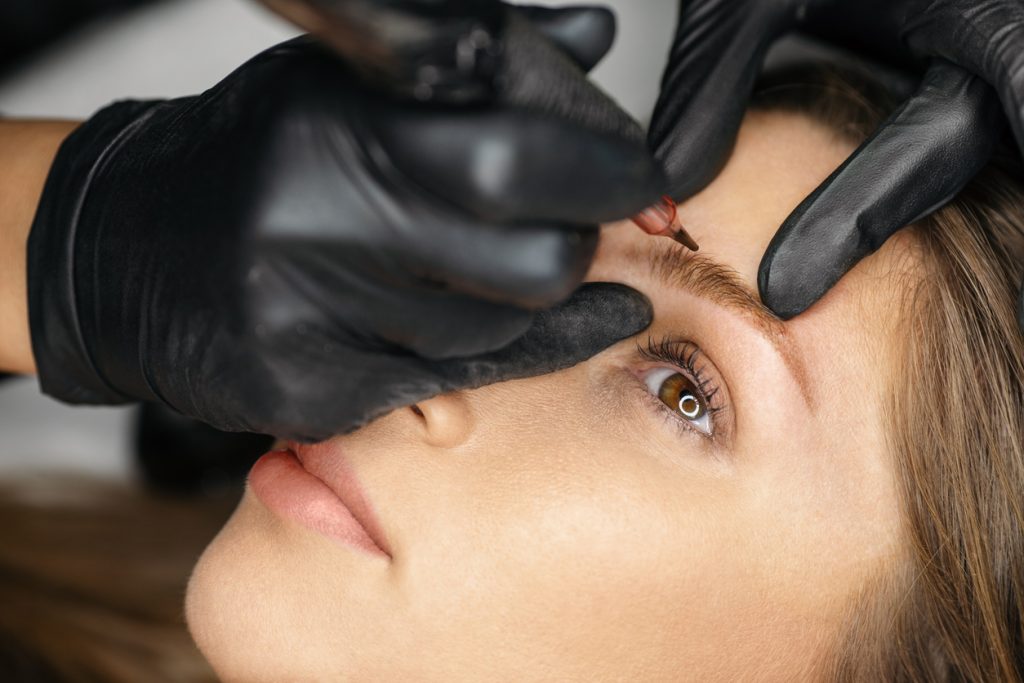
Microblading is a type of cosmetic tattooing, which is also called eyebrow embroidery or feathering. In contrast to the traditional eyebrow tattoos, where a machine is used to insert the ink deeper into the skin, microblading uses a hand tool to make fine strokes resembling hair on the top layer of the skin. This method produces a more natural look, making it so popular among people who want to improve their eyebrows without making them look unnatural. How Long Do Microbladed Eyebrows Last? Although microblading is a type of tattooing, it is not permanent. The microblading pigment is specially made to fade gradually, which provides the freedom to change the shape or colour of eyebrows. Microbladed brows usually last 1 to 3 years, but this is dependent on a variety of factors including skin type, lifestyle and aftercare compliance. This semi-permanency enables the clients to stay in touch with the beauty trends without having to make a life-long change. In addition, the fading process makes it possible to make microblading an active component of your beauty routine. Your eyebrows can also change as you change your style, and you can make updates and corrections when you have touch-up sessions. This versatility is especially attractive to people who prefer to alter their appearance every now and then. How Much Does Microblading for Eyebrows Cost? Microblading may cost a lot or a little depending on a number of factors. The prices of beauty services are usually higher in urban areas where living is expensive. Urban areas with higher living costs typically have higher prices for beauty services. Additionally, the experience of the artist plays a critical role; a more experienced or reputable artist may charge more for their services, but their expertise can ensure better results, reducing the likelihood of requiring corrections or touch-ups. Moreover, cost can also be affected by the salon or studio setting. The luxury salons might be more expensive than the smaller, independent studios. It is important though to consider the price against the quality of service provided because a cheaper price can sometimes imply a reduction in the level of skill or the quality of materials used. On average, the cost of microblading brows price ranges from $400 to $800. Some high-end artists may charge over $1,000 for their expertise and premium services. It’s important to consider the reputation and experience of the artist, as well as looking at eyebrows before and after microblading photos showcasing their work before making a decision. Client reviews and testimonials may also be researched to give an idea of the satisfaction of past clients. Also, remember that the initial investment might comprise a follow-up session, which is typically arranged 4 to 6 weeks after the first visit, to refine and finalise the brows. This touch-up is usually essential to the durability and the look of the microbladed brows, and it is worth asking whether it is part of the initial price or it is an additional cost. What is the Healing Process? Microblading normally takes 4 to 6 weeks to heal, and your skin will recover and the pigment will settle in its final state. This is a rough outline of what you may go through: Aftercare for your Microbladed Eyebrows to Ensure Longevity Proper care for eyebrows after microblading is essential for achieving the best results from your session. These are some of the tips to be followed: The longevity of your microbladed brows is influenced by several factors, such as your skin type and lifestyle. They usually take 12-18 months before they require a touch up. For those with oily skin, the pigment can wear off more quickly and more touch-ups may be needed to ensure the desired appearance. Choosing the Right Shape for You The shape of your brows is a vital decision to make to have a balanced appearance that compliments your beauty. The shape should be determined by your natural brow shape and facial features. A skilled artist will be able to assist in designing a shape that will suit your face, considering your preferences and lifestyle. Extended eyebrows can add a dramatic effect and are perfect for those looking to elongate their brows. This style has the ability to produce a more distinct and symmetrical appearance, which can usually increase the overall symmetry of the face. It’s an excellent choice for those who want to make a bold statement with their brows while maintaining a natural appearance. Moreover, extended eyebrows can give the illusion of lifted eyes, providing a youthful and refreshed look. This style may be especially helpful to people with shorter brows or those who have lost hair by over-plucking or medical conditions. Benefits of Microblading your Eyebrows Before getting microblading, your eyebrows may be sparse, uneven, or lacking in shape. After the procedure, you can expect fuller, more defined brows that enhance your facial features. Here are some benefits you might notice: Conclusion Microblading is an excellent alternative to people who want to enhance the look of their eyebrows using a semi-permanent method. Knowing the cost, healing process and longevity will enable you to make an informed decision that fits your beauty goals and lifestyle. If you’re interested in learning how to create flawless brows yourself, check out our brow tattoo courses, designed for both beginners and beauty professionals. Remember, choosing a talented artist and following proper aftercare are key to beautiful, long-lasting results. When done right, your microbladed brows can enhance your natural beauty and make your life easier, giving you a lasting confidence boost.
Can Castor Oil Really Make Your Eyebrows Grow? Tips, Myths & Proven Methods
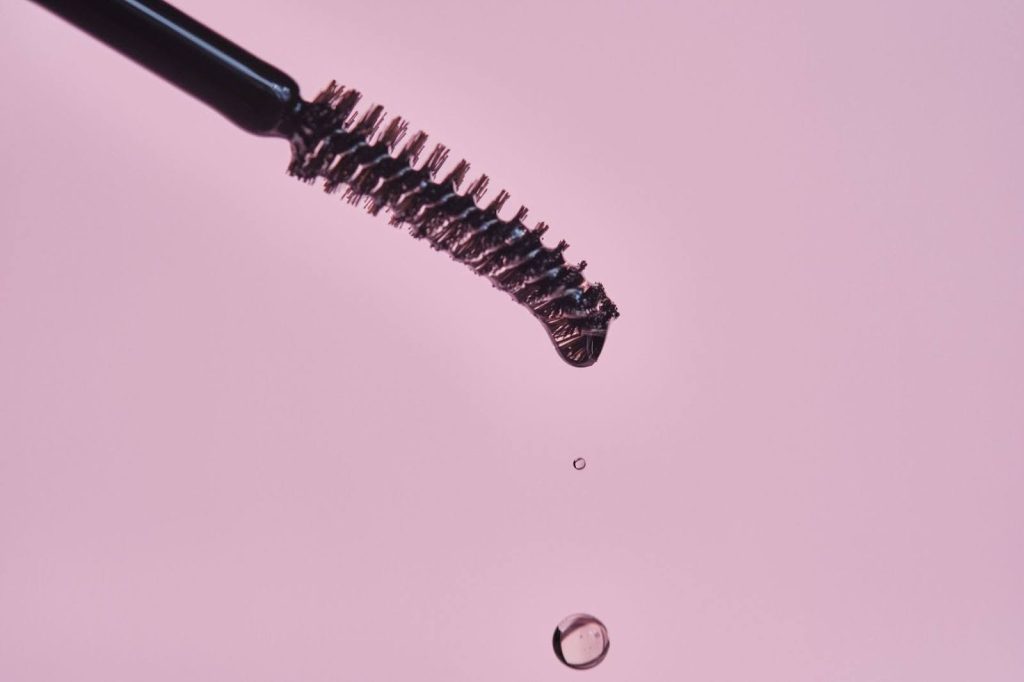
Do you have the dreams of thicker and fuller eyebrows? Natural hair growth remedies are sought by many people. The most common one is castor oil. It is a nutritious oil that is obtained using the seeds of the Ricinus communis plant. It is supposed to enhance hair growth and hair health. However, does castor oil grow eyebrows? The solution is not easy. Although some people swear by its advantages, scientific evidence is limited. In this article, we will discuss the reality about castor oil in eyebrow growth. We will distinguish between myths and facts and provide effective techniques and hints. Are you interested in castor oil benefits or want to find natural beauty solutions? Then this guide is yours. Let us get into it! What Is Castor Oil and Why Is It Popular for Eyebrow Growth? Castor oil is a natural oil that is obtained out of the seeds of Ricinus communis plant. It is thick, nutritious and has been in use since centuries. It is believed that it is a natural method of enhancing the health of hair, including eyebrows. The oil contains a lot of fatty acids, and most notably ricinoleic acid. It is believed that this acid aids in the nourishment of the hair follicles and the provision of a perfect growth environment. It is moisturising and can make the hair look shinier and healthier, conditioning and strengthening it. While natural remedies like castor oil can improve brow health over time, advanced treatments such as Nano Feathering offer an immediate, defined look for those who want quicker results. What has made castor oil a favourite among eyebrow lovers? Here’s why: These factors make it a popular choice in the beauty community. The Science: Does Castor Oil Really Grow Eyebrows? There is no strong scientific evidence to support the argument that castor oil can increase the growth of eyebrows. The majority of evidence is anecdotal, and it is based on personal experiences. Although some users can testify to its effectiveness, scientific research on the subject matter is limited. Castor oil is rich in ricinoleic acid that can be useful in feeding the hair follicles. It is believed that this acid enhances blood circulation, which may create a healthy environment to grow hair. Nonetheless, not much serious research has been conducted to prove these effects on eyebrows. Although scientific evidence is not available, castor oil is useful to many people in terms of overall hair health. The oil can be used to enhance the looks of eyebrows due to its moisturising qualities. They can appear more fuller and shinier, therefore, giving the impression of growth. Use-supported benefits include: Overall, while it might not transform eyebrows overnight, regular use can improve their look and feel. Myths vs. Facts: What Castor Oil Can and Can’t Do Castor oil is usually shrouded with numerous arguments about eyebrow growth. So, let us distinguish between myth and fact. One of the myths is that castor oil has the ability to give instant results. In reality, one has to be patient. Any changes, in case they occur, will be measured in weeks, not days. The other myth is that all people will have the same results. This is not true since effectiveness may vary depending on the type of hair and the condition of the skin. There is an opinion that castor oil is a magic remedy to any problems with hair. But we should not forget that although it is a good thing, it is not a universal fix to every problem. The myth-versus-fact rundown is as follows: How to Use Castor Oil for Eyebrow Growth (Step-by-Step) It is easy to apply castor oil to grow eyebrows and can be included in your night routine. The best way is to begin with a clean face to get the maximum effect of the oil. Make sure that all makeup or skin products are removed. Then make a small portion of castor oil. The pure cold-pressed castor oil is advised to be used to achieve the best results. A cotton swab or a clean mascara wand will be required to get the oil accurately on your eyebrows. Here’s a step-by-step guide: Apply this procedure every day for several weeks. It is important to remember that visible results take time and effort. Be careful not to overdo it because the oil may be very thick and may cause irritation when it falls into your eyes. Tips for Best Results and Common Mistakes to Avoid To get the optimum results of castor oil on eyebrow growth, one should pay a little attention. It should be a nightly routine, the most important thing is consistency. To maximise efficiency, you may want to exfoliate your eyebrow region once a week, but softly. This aids in the elimination of dead skin so that the oil can penetrate more. Common mistakes can hinder results or cause irritation. Do not add too much oil, a little is enough. Moreover, failure to do a patch test can result in allergies. It is important to test a small patch of skin before applying it fully. The following are some of the tips: By keeping these tips in mind and avoiding common pitfalls, you’ll maximise the potential benefits of using castor oil as a hair growth oil. Other Proven Methods and Alternatives for Eyebrow Growth In case you want to enhance your eyebrow growth, you can also use other techniques in addition to castor oil. Healthy hair growth can be maintained by a balanced diet which contains vitamins and minerals. Biotin, omega-3s, and vitamin E-rich foods may be particularly helpful. Other than diet, frequent grooming may promote the health of the eyebrows. Do not over-pluck so as not to damage the hair follicles. Clean and moisturised brows will also grow. There are some natural oils that make good alternatives or compliments to castor oil. Coconut oil, argan oil, and olive oil are some of the examples. They contain nutrition and water, thereby aiding in