
Qualified Cosmetic Tattoo Training Courses in Sydney: Certification, Skills & Career Pathways
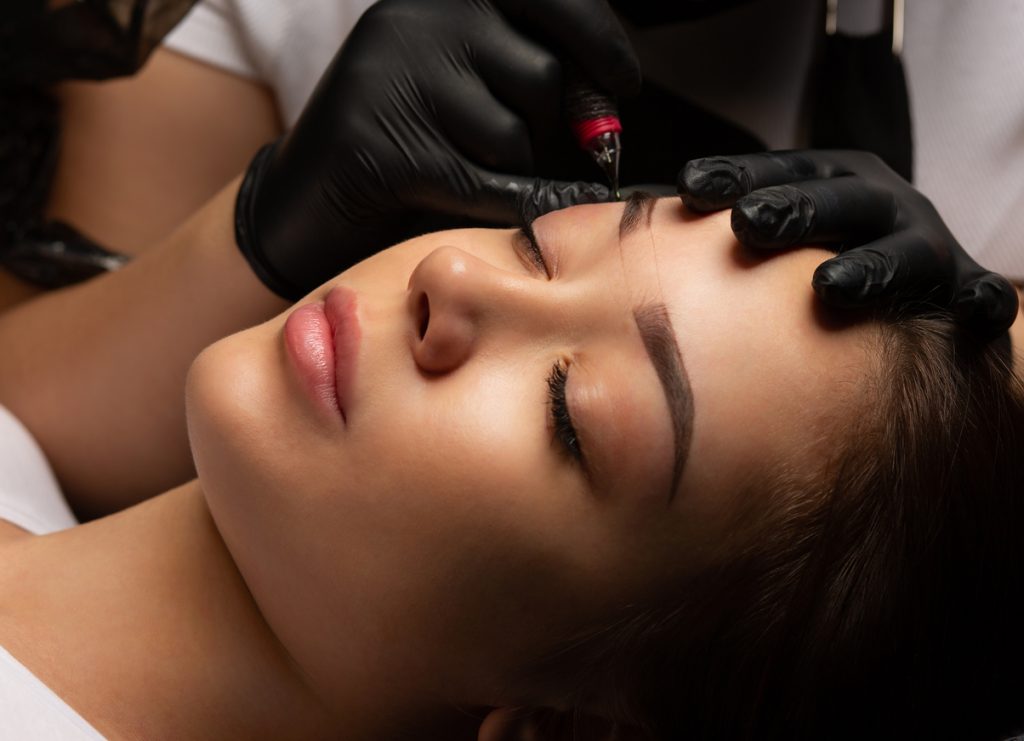
Cosmetic tattooing continues to grow rapidly across Australia as clients seek long-lasting beauty enhancement, natural definition, and personalised aesthetic results. For aspiring artists, choosing the right cosmetic tattoo training course in Sydney is essential for building safe, compliant, and successful practice foundations. This guide breaks down certification requirements, course structures, safety standards, and career pathways, helping you understand exactly what it takes to become a qualified cosmetic tattoo professional. Certification Requirements in Cosmetic Tattoo Training Certification is a key indicator of professional competence in the cosmetic tattoo training course in Sydney. It confirms that a practitioner has completed structured training and can safely perform procedures in line with industry expectations. Accredited courses typically include: Importantly, accredited programmes differ significantly from non-accredited short courses. Accredited training generally follows stricter standards, offering stronger preparation for real-world practice and improved employment outcomes. In a competitive beauty industry, certification not only builds technical credibility but also strengthens client trust and professional reputation. Course Structure for Cosmetic Tattoo Training in Sydney Most cosmetic tattoo courses combine theoretical learning with hands-on practical experience to ensure students develop both knowledge and confidence. Typical curriculum includes: Types of Cosmetic Tattoo Training Courses Available in Sydney Training options in Sydney cater to all experience levels, from beginners to advanced practitioners. Diploma of Cosmetic Tattooing A comprehensive qualification covering: Beginner Courses Ideal for new artists, focusing on: Advanced Masterclasses Designed for experienced artists looking to: Each pathway supports different career goals, allowing students to progress at their own pace. Microblading and Permanent Makeup Training Explained Cosmetic tattoo training often includes specialised techniques such as: Microblading A manual technique using a blade to create natural, hair-like strokes for eyebrow course enhancement. Permanent Makeup (PMU) A machine-based method used to enhance: Training combines theory and supervised practice to ensure safe pigment implantation and consistent results. Career Pathways After Cosmetic Tattoo Training Certified cosmetic tattoo artists and ombre brow tattoo course can pursue a variety of career opportunities, including: With strong demand across Sydney and Australia, skilled practitioners often develop long-term careers with strong earning potential and creative flexibility. Industry networking can also lead to collaborations, brand partnerships, and event opportunities. Industry Standards and Safety Requirements Strict industry standards are essential in cosmetic tattooing to ensure client safety and consistent results. Core requirements include: These standards protect both clients and practitioners while maintaining professional credibility. Safety and Hygiene Protocols in Training Safety is a core pillar of all reputable cosmetic tattoo training programs. Essential protocols include: These procedures ensure safe delivery of treatment and reinforce trust within the industry. How to Choose the Right Cosmetic Tattoo Course Selecting the right training program is critical for long-term success. Key factors to consider: AccreditationEnsure the course is delivered by a recognised training provider. Curriculum QualityLook for comprehensive coverage of both theory and practical skills. Instructor ExperienceExperienced trainers provide valuable real-world insight and technical guidance. Making an informed decision ensures your training aligns with your career ambitions. Certification and Licensing in Sydney In Sydney and across NSW, cosmetic tattoo practitioners must comply with strict health and safety regulations. Accredited programs typically include: These requirements ensure practitioners are fully prepared for safe, professional practice. Accredited Certification Bodies in Australia Nationally recognised training is often delivered through ASQA-approved Registered Training Organisations (RTOs). These bodies ensure: This level of accreditation enhances employability and professional credibility. Updated Safety Standards and Industry Compliance (2025–2026) Cosmetic tattooing regulations continue to evolve, with increasing emphasis on: Staying up to date ensures long-term compliance and high-quality client outcomes. Practical Training and Hands-On Learning Hands-on experience is essential for developing real-world competency. Best practices include: These elements ensure students graduate with confidence and practical readiness. Career Support and Professional Facilities in Sydney Access to professional facilities significantly enhances training outcomes. Modern training environments provide: For practitioners looking to further develop their skills or work in a professional setting, Future Aesthetica offers supportive industry spaces designed for cosmetic tattoo artists to learn, grow, and operate. Conclusion A qualified diploma in Cosmetic Tattooing in Sydney provides the foundation for a successful and sustainable career in the beauty industry. With accredited certification, structured learning, and hands-on experience, aspiring artists can develop the skills needed to deliver safe, high-quality cosmetic tattoo services. Choosing the right training pathway is an investment in your future, supporting both professional credibility and long-term career growth. For practitioners seeking a professional environment to continue their journey, Future Aesthetica provides a space where skill development and industry opportunity come together.
Advanced Cosmetic Tattoo Training in Sydney: A Comprehensive Guide
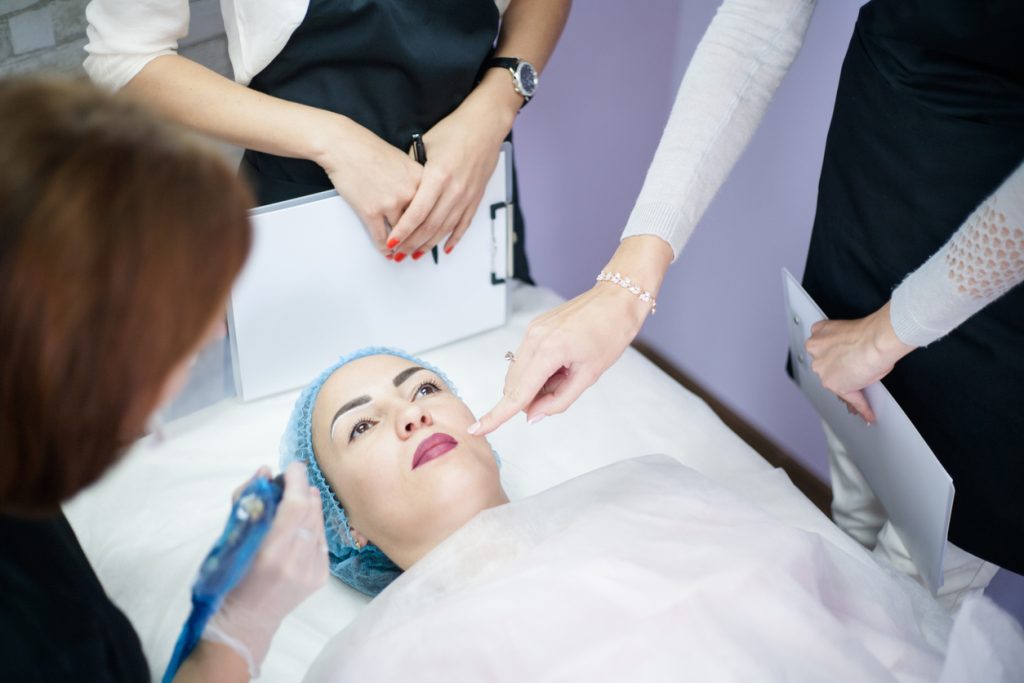
Advanced cosmetic tattoo training in Sydney equips beauty professionals with the practical skills and theoretical knowledge needed to specialise in microblading, micropigmentation, and advanced PMU techniques. Whether you are entering the industry or refining your expertise, structured training and certification pathways help build confidence, credibility, and long-term career success. This guide outlines available course types, certification options, key techniques, and career pathways to help you choose the right training direction. Available Cosmetic Tattoo Courses in Sydney Sydney offers a wide range of cosmetic tattoo training options designed to suit different experience levels and professional goals. Beginner Courses Ideal for newcomers, beginner courses cover foundational knowledge such as: Advanced PMU Courses Designed for trained artists looking to refine their expertise, these courses focus on: Masterclasses Masterclasses are intensive sessions for experienced practitioners looking to: Diploma of Cosmetic Tattooing A comprehensive qualification covering: Enroling in structured training pathways provides a strong competitive advantage in Australia’s growing beauty industry, such as eyeliner master classes. Certification Options for Cosmetic Tattoo Artists Certification plays a crucial role in establishing credibility and professional recognition. Certificate of Attendance Accredited Certification Choosing the right certification pathway helps align your training with your long-term career goals. Key Training Methodologies in Cosmetic Tattoo Education High-quality training programs use a combination of learning methods to build both skill and confidence. Blended Learning A mix of online theory and in-person practical training allows flexibility while ensuring hands-on experience. Practical Hands-On Training Supervised live model practice is essential for developing precision, control, and safe application techniques. Personalised Coaching One-on-one mentoring supports skill refinement and helps address individual learning gaps. Business Skills Integration Many programs also include: These components prepare students not just as artists, but as business-ready professionals. How Microblading Enhances Eyebrow Definition Microblading is designed to replicate natural eyebrow hair using fine, precise strokes. It allows artists to: The result is a soft, realistic enhancement tailored to each individual’s facial structure. Benefits of Micropigmentation and Microshading Both micropigmentation and microshading offer long-lasting cosmetic enhancements with a range of benefits: These techniques remain highly sought-after due to their durability and versatility. Core Techniques Covered in Advanced Cosmetic Tattoo Courses Advanced training focuses on mastering essential PMU techniques used in modern cosmetic tattooing. Microblading A semi-permanent technique that creates natural, hair-like strokes to enhance eyebrow fullness and shape. Micropigmentation A method of implanting pigment into the skin to enhance features such as brows and lips. Microshading Combines soft shading and strokes to create a fuller, more defined eyebrow finish. Mastering these techniques is essential for building a successful cosmetic tattooing career. Certification and Legal Requirements in NSW In New South Wales, cosmetic tattoo practitioners must follow strict health, safety, and training guidelines. Key requirements include: These standards ensure safe practice and protect both clients and professionals. Industry-Recognised Certifications for Cosmetic Tattoo Artists Recognised certifications are issued by accredited training providers and demonstrate: These qualifications can significantly improve employment opportunities and client trust. How NSW Regulations Impact Training and Practice NSW regulations influence: Staying compliant is essential for long-term success in the industry. Career Opportunities After Cosmetic Tattoo Training Completing professional training can open doors to: Demand for skilled cosmetic tattoo artists continues to grow across Australia. How Certification Supports Career Growth Certification helps practitioners: It is a key step in establishing a sustainable beauty career. Business Development Support for Graduates Many training programs include business-focused education, such as: This ensures graduates are ready to operate professionally from day one. Safety, Hygiene, and Pigment Standards in Training Safety is a core component of all reputable cosmetic tattoo courses. Key Focus Areas: These standards ensure both client safety and optimal treatment results. Latest Safety Protocols in Cosmetic Tattooing Modern training emphasises: Pigment Technology and Hygiene Standards Advanced courses also cover: This ensures artists deliver consistent, high-quality results. Conclusion Advanced cosmetic tattoo training in Sydney provides the foundation for a successful career in the beauty and PMU industry. With structured courses, recognised certifications, and hands-on experience, professionals can develop both technical expertise and business confidence. Contact us today to learn more about our training opportunities and how we can support your journey. Choosing the right training pathway is key to long-term success in this growing field. For those seeking a professional space to train, practice, or develop their skills, Future Aesthetica offers supportive industry environments designed for cosmetic tattoo artists to grow and thrive.
Popular Techniques in Cosmetic Tattooing Explained: A Complete Guide to Microblading, Ombre Brows, Lip Blush, and More
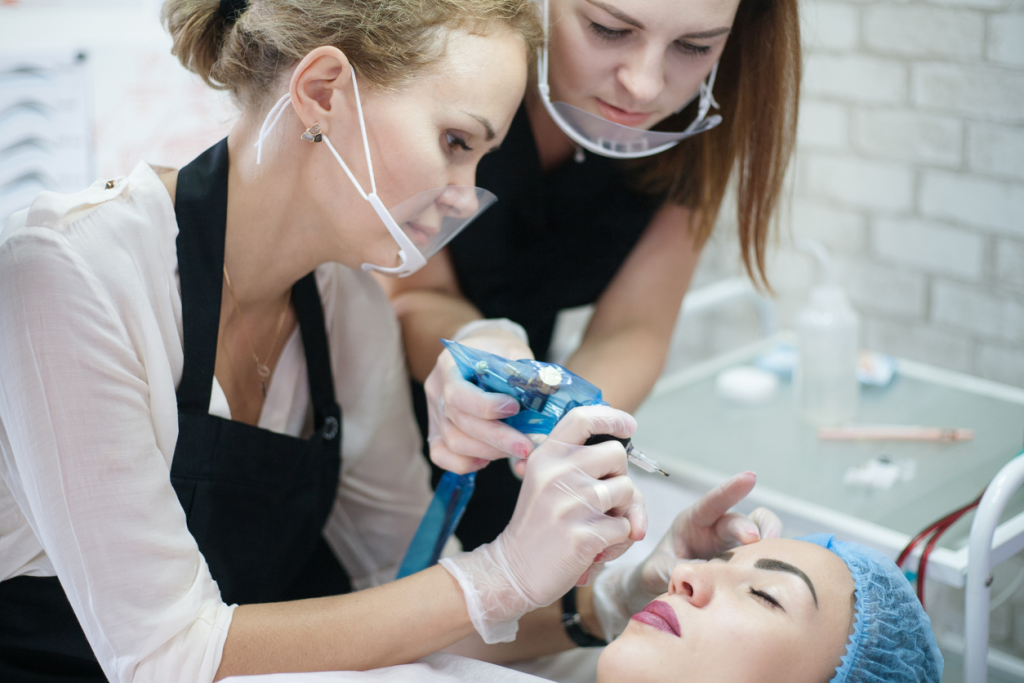
This guide features information relevant to cosmetic tattooing, including details about Future Aesthetica, an accredited academy based in Annandale, Sydney City, Australia. Cosmetic tattooing, also called permanent or semi-permanent makeup, uses pigment implantation to enhance facial features with long-lasting results. This guide explains the most popular techniques, including microblading, ombré/powder brows, nano hairstroke, combination brow work, lip blush and contouring, and eyeliner tattooing, and shows how each method works, who benefits most, and what to expect during healing. Many readers want natural-looking enhancement that reduces daily makeup time or cosmetic concerns; understanding technique mechanics, pigment selection and aftercare helps set realistic expectations and improve outcomes. The article covers how eyebrow styles differ, practical lip methods and correction strategies, eyeliner approaches for subtle to dramatic definition, and practitioner-focused essentials such as pigments, needles and hygiene. Finally, it outlines emerging procedures and where accredited training is available for those pursuing a career in cosmetic tattooing. Read on to compare methods, review maintenance needs, and learn the key factors that influence technique choice. What Are the Most Popular Cosmetic Tattooing Techniques? Cosmetic tattooing techniques vary by tool, pigment placement and desired visual effect, producing results from crisp hair-like strokes to soft powdered finishes. Each method relies on controlled pigment deposition into the superficial dermis, where needle configuration, pigment composition and practitioner technique determine tone, texture and longevity. Benefits include natural enhancement, symmetry correction and time saved in daily beauty routines, while risks and aftercare differ by method and treated area. Below is a concise list of the most common techniques with a brief definition to orient readers before deeper comparisons. Popular cosmetic tattooing techniques include: These definitions prepare you for the detailed H3 explanations that follow, which examine method mechanics, ideal candidates and healing considerations. How Does Microblading Create Natural Hair Stroke Effects? Microblading works by implanting pigment using a handheld blade or fine needle to form superficial, hair-like incisions that mimic natural brow hairs. The mechanism relies on precise angling and micro-pressure to create crisp strokes that sit in the upper dermis so they fade naturally over time, producing a realistic hair pattern. Microblading is particularly effective on clients with normal to dry skin and sparse brows who want a highly natural finish, but it is less ideal for oily skin where strokes can blur. Understanding the technique’s limitations and expected touch-up schedule helps clients choose the best approach for their skin and lifestyle. This technical description leads naturally into comparing machine-based shading methods like ombré brows, which use a different mechanism to create a softer finish. What Makes Ombre Brows Different from Microblading? Ombre brows employ a machine to layer pigment with a soft, powdered effect that resembles makeup rather than individual hairs, using shading patterns that are denser towards the tail and lighter at the front. The method is advantageous for oily or combination skin types because machine shading tends to retain pigment better and produce a more durable result than manual blades. Visual outcomes are typically fuller and makeup-like, making ombré a popular choice for clients seeking consistent, low-maintenance fullness. Aftercare differs slightly, with shading requiring careful moisturisation to support even pigment settling and scheduled touch-ups to maintain the powdered finish. This shading-focused explanation transitions into lip-area techniques, which rely on layering principles similar to powdering but with different pigment strategies. How Is Lip Blush Tattooing Performed and What Are Its Benefits? Lip blush tattooing uses controlled, light layering of pigment across the lip body to enhance natural lip colour, correct mild asymmetry and create the impression of fuller lips without fillers. Pigment selection and staging are critical: technicians often neutralise unwanted undertones before applying harmonious shades in thin passes to ensure gradual, natural saturation. Benefits include improved lip tone, subtle definition and reduced need for daily lipstick; typical candidates are those wanting a refreshed look or symmetry correction rather than dramatic colour change. Expect initial swelling and darker immediate pigment, followed by progressive softening during healing and a recommended touch-up to refine colour and longevity. This description sets up how high-precision hairstroke methods and blended approaches expand options for brow work and corrections. What Are Nano Hairstroke and Combination Brow Techniques? Nano hairstroke uses precision machine cartridges to create ultra-fine, hair-like strokes that closely resemble natural brow hairs while offering greater control and longevity than traditional manual microblading. Combination brows merge these fine strokes at the brow front with machine shading through the tail, producing both natural texture and visual fullness where needed. Choice between nano and combination depends on skin type, existing pigment, and client goals; nano excels at detail and correction, while combination suits clients requiring both hair-definition and a fuller base. These hybrid options increase customisation and often require bespoke pigment strategies to balance undertones and fading behaviour. From hairstyles to eye definition, the next section explores eyeliner techniques that complement brow and lip work. Which Eyeliner Tattoo Styles Are Most Popular? Eyeliner tattooing ranges from subtle lash-enhancement tightlining to classic winged liners and smoked, smudged effects that can be as dramatic as makeup without daily application. The tightline or lashline enhancement implants pigment between lashes to create the illusion of denser lashes, ideal for clients seeking subtle definition. Classic liner or winged styles use slightly more pigment and precision to extend or accentuate the eye shape, while smoked liners use layered shading for a softer, blended finish. Safety around the eye is paramount: practitioners must use sterile single-use cartridges, thorough patch testing and conservative pigment placement to reduce risk and promote even healing. These eyeliner variants illustrate how technique choice balances subtlety and drama, preparing readers to compare eyebrow styles side-by-side in the following section. How Do Eyebrow Tattooing Styles Compare: Microblading, Ombre Brows, Nano Hairstroke, and Combination Brows? Eyebrow techniques differ principally by method (manual vs machine), appearance (hairstroke vs powder) and suitability for skin types, which together affect longevity, aftercare and maintenance cycles. Understanding these differences helps clients and practitioners choose approaches that match skin characteristics and aesthetic goals. Below is
Cosmetic Tattoo Techniques for Perfect Brows: Accredited Training and Expert Guidance in Sydney
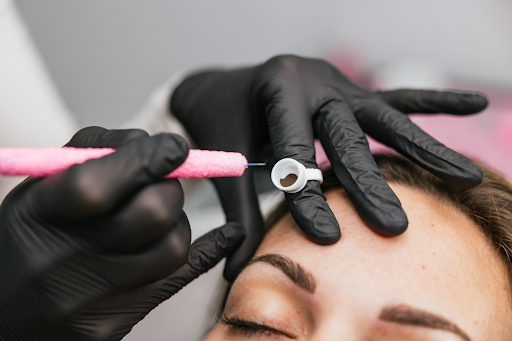
Cosmetic tattooing for brows blends artistry and technical skill to create natural, long-lasting definition that complements facial anatomy and hair growth patterns. This article will educate and inform individuals on cosmetic tattooing by explaining core techniques, colour theory, practical mapping and accredited training pathways, so both clients and aspiring practitioners understand how to achieve predictable, beautiful results. Choosing the right technique, microblading, ombrè, nano hairstrokes, combination work or feathering, affects retention, healed appearance and suitability for different skin types, so understanding mechanisms matters for outcome and safety. Readers will learn step-by-step mapping and pigment selection principles, common healing challenges and corrective strategies, and how accredited Sydney courses map to career-ready outcomes. The guide also outlines how to evaluate courses and trainers, and why studio-based live model experience accelerates competence. Throughout, semantic comparisons and practical checklists make technique selection and course choice actionable for both consumers and trainees. What Are the Key Cosmetic Tattoo Techniques for Perfect Brows? Cosmetic tattoo techniques for brows fall into defined categories that differ by instrument, stroke morphology and healed aesthetic; each technique deposits pigment at specific dermal depths and uses distinct motion patterns to achieve natural or powdered looks. Microblading uses a manual blade to score fine incisions that mimic hair, while ombrè (powder) shading layers pigments with a machine to create a soft gradient. Nano hairstrokes employ ultra-fine needles on a machine to deliver consistent, hair-like lines with reduced trauma, and combination approaches blend strokes with shading to add density and structure. Feathering describes subtle, tapered strokes or blended edges used as a finishing touch to soften transitions or create texture. Understanding these mechanisms clarifies why some techniques suit oily or mature skin better and why retention and touch-up intervals differ by approach. The following list summarises core technique outcomes to help readers compare at a glance before the detailed table below. Technique Key Characteristics Best-for (skin types/results) Microblading Manual blade creates hair-like incisions and deposits pigment superficially Normal to dry skin; very natural hair-stroke appearance Ombre Brows Machine shading creates gradient powdered effect with layered density Oily or combination skin; soft to bold looks, good retention Nano Brows Ultra-fine machine needles produce consistent, delicate hair strokes All skin types including oily & mature; higher retention Combination Brow Tattooing Hybrid of strokes + shading for depth and realistic fullness Sparse brows, scar coverage, clients wanting density + realism Feathering Light, blended strokes to soften edges and add texture Finishing technique across skin types; enhances natural transitions How Does Microblading Create Natural Hair-Like Strokes? Microblading is a manual technique that uses a blade to create micro-incisions in the superficial dermis, depositing pigment in fine lines that resemble natural brow hairs. The blade’s angle, hand pressure and stroke direction determine stroke crispness and healing behaviour, so precise mapping and conservative pigment placement are essential to avoid over-saturation. Microblading typically performs best on normal to dry skin because the shallow pigment sits well in skin with lower sebum activity, whereas oily or very textured skin may blur strokes more quickly. Healing follows predictable stages, initially darker and defined, then flaky and lighter before settling, so clients should expect a retouch to refine density and colour. Understanding microblading’s material mechanics helps determine when to recommend alternative techniques for longevity and visual fidelity. What Is Ombre Brows and How Does It Achieve a Soft Powdered Effect? Ombre brows use a machine shading technique to layer pigment in graduated density from front to tail, producing a soft, make-up-like powder finish that can range from very subtle to more defined. Practitioners gradually increase needle depth and pass density to build a stable pigment reservoir that resists oil-related fading, making ombrè a strong choice for combination and oily skin types. Tool settings (needle grouping, speed, pass counts) and pigment viscosity affect the gradient and healed texture, so controlled layering and conservative initial density improve long-term results. Aftercare emphasises hydration balance and protection from excessive oil exposure in the first fortnight, and a planned touch-up at around 4–8 weeks secures colour and shape. Properly executed ombrè provides predictable soft fullness that mimics powdered makeup with reliable retention. Colour Theory and Cosmetics: Impact on Facial Perception In this research project, I sought to determine the difference colour makes to facial perception. I examined the effects of cosmetics on facial appearance using colour theory. Three models were employed for this project. Consultations were held with each model to discuss their previous experience with different types/colors of products, desired looks, and any prior reactions to products. The same three makeup looks were applied to each model and analysed for success and failure. Areas examined included the models’ skin tones, eye colour, eye shape, and face shape. After each of these looks was applied and photographed, an individualised look was created for each model, based on the information gathered during the consultation. Each of the four looks was photographed from different angles on each model. These photographs were then analysed. The analysis involved comparing and contrasting the t Color Theory and Cosmetics, 2016 How Do Nano Brows Use Advanced Machine Techniques for Ultra-Fine Hair Strokes? Nano hairstroke technique employs single or ultra-fine needle configurations on rotary or specialised PMU machines to deposit pigment in extremely thin, consistent lines that replicate hair shafts with high precision. Machine-delivered strokes yield consistent depth control and reduced epidermal trauma compared with manual blades, which improves retention and reduces early fading particularly on oily or mature skin. Needle angle, speed and stroke cadence influence stroke crispness and healed appearance, so practitioners must calibrate settings to individual skin resistance and elasticity. Nano strokes often require less aggressive passes and fewer overlapping strokes to avoid ink pooling, and technical mastery leads to a very natural result that adapts well to corrective layering or combination shading. This method has become a preferred option where longevity and refined realism are priorities. What Is Combination Brow Tattooing and When Should It Be Used? Combination brow tattooing blends hair strokes (micro or nano) with ombrè-style shading to
Mastering Cosmetic Tattoo Techniques: A Step-by-Step Guide to Cosmetic Tattoo Training Sydney
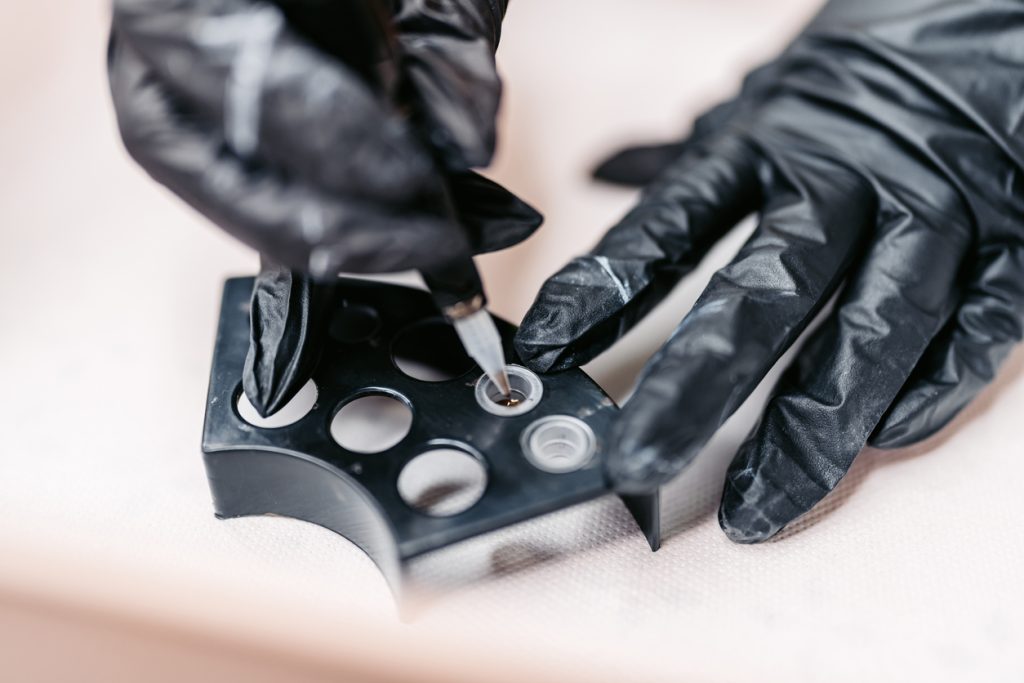
Cosmetic tattooing, or permanent makeup, deposits pigment into the upper dermis to enhance facial features with long-lasting results. This guide breaks down the core procedures, brows, lips, and eyeliner, explains the preparation and aftercare pathway, and maps how colour theory and corrective workflows influence outcomes. Many practitioners and aspiring artists struggle with technique sequencing, pigment selection, and safe client screening; this article provides trainer-level steps and troubleshooting to close those gaps. You will find step-by-step procedural HowTos, practical equipment guidance, and clear safety and consultation workflows designed for trainees and established artists alike. Later sections explore career progression, accreditation, and business growth so you can translate technical skill into a professional offering. Read on to learn fundamentals, preparation, hands-on techniques, pigmentology, aftercare, advanced practice, and where to pursue accredited training in Sydney, NSW. What Are the Fundamentals of Cosmetic Tattooing and Permanent Makeup? Cosmetic tattooing is a form of micropigmentation that implants coloured pigments into the papillary dermis using either hand tools or machines to achieve defined cosmetic results. The mechanism relies on controlled skin disruption and pigment deposition so the colour resides long-term while gradually softening with skin turnover. The primary benefits are consistent cosmetic enhancement, time savings for clients, and the ability to correct or camouflage natural asymmetry. Understanding these fundamentals reduces complications and informs technique choice for different skin types and client goals. What Is Cosmetic Tattooing and How Does Permanent Makeup Work? Cosmetic tattooing works by introducing stable pigments beneath the epidermis where the body encapsulates pigment particles, producing durable colour that fades predictably over months to years. Manual techniques like microblading create micro-incisions that hold pigment in hairlike strokes, while machine-based shading deposits pigment via rapid needle cartridges for softer, gradient results. This difference in mechanics determines retention, healing patterns, and suitable skin types, making technique selection a core clinical decision. Appreciating the biology of the dermal layer and how pigments interact with skin tissue underpins safer practice and improved outcomes. What Are the Common Types of Cosmetic Tattoo Procedures? Practitioners typically perform several core PMU procedures: microblading for hair-like brows, ombrè or powder shading for gradient brows, nano hairstroke techniques for refined strokes, lip blush for tint and contour, and permanent eyeliner for lash enhancement or classic liner. Each procedure differs in tool choice, pigment depth, and expected healing timeline, which affects immediate appearance and long-term maintenance. Matching technique to client anatomy and lifestyle ensures realistic expectations and superior retention. The next logical step is preparing clients properly to minimise risk and enhance predictability during these procedures. What Are the Benefits of Learning Cosmetic Tattoo Techniques? Learning cosmetic tattoo skills opens professional opportunities across clinics, mobile services, and aesthetic studios, delivering a strong return on training investment through repeat appointments and add-on services. Technically proficient artists can offer corrective and advanced services that command higher fees, and trained practitioners are better equipped to manage complications and perform colour correction. For trainees, understanding market demand and accreditation pathways supports a sustainable business model. This naturally leads into the practical prerequisites: consultation, skin analysis, and regulatory safety that underpin professional delivery. How Do You Prepare for a Cosmetic Tattoo Procedure? Preparation for cosmetic tattooing centres on rigorous consultation, accurate skin analysis, and adherence to health and safety protocols to mitigate infection and allergic reactions. Effective preparation includes medical history screening, patch testing where indicated, and an explicit informed-consent conversation about healing, pigmentation, and touch-ups. Practising standard precautions, single-use needles/cartridges, PPE, and correct waste disposal, reduces cross-contamination risk and meets expected clinical standards. The following subsections expand consultation tools, safety essentials, and how patch testing is conducted. What Are the Best Practices for Client Consultation and Skin Analysis? A thorough consultation collects medical history, current medications, prior cosmetic procedures, and realistic aesthetic goals while using photographs and brow mapping to set expectations. Skin analysis evaluates texture, thickness, scarring, active dermatitis, and Fitzpatrick characteristics to guide technique and pigment choice, and flags potential retention or healing issues. Always document contra-indications such as recent isotretinoin use or active infections and agree on a treatment plan and staged touch-up policy. Building clear documentation and visual evidence protects both client and practitioner and segues into safety protocols required for safe practice. What Health and Safety Protocols Must Be Followed in Cosmetic Tattooing? Health and safety require a sterile workspace, single-use disposables where possible, barrier protection, instrument cleaning, and documented sterilisation for reusable components to prevent bloodborne infection. Practitioners should use personal protective equipment, maintain a clean procedure area, and follow correct sharps disposal procedures consistent with clinical waste legislation and professional guidance. Training in infection control and emergency response adds an extra layer of client safety and professional credibility. These measures set the stage for responsible patch testing and contra-indication screening before any procedure. How Is Patch Testing Conducted and What Are Contraindications? Patch testing involves applying a small quantity of pigment or topical product to a discreet area 24–72 hours before treatment to identify allergic responses, with observation for erythema, itching, or delayed hypersensitivity reactions. Common contraindications that require postponement or referral include pregnancy, active skin infection, uncontrolled autoimmune disease, recent isotretinoin therapy, and certain chemotherapies. Before the table, this check helps practitioners triage clients efficiently and informs next steps such as medical sign-off or deferment. Client Factor Risk/Contraindication Recommended Action Pregnancy Contraindicated Postpone until after pregnancy Active skin infection (e.g., herpes, cellulitis) High risk for complications Treat or refer; postpone procedure Recent isotretinoin use Increased scarring risk Defer for recommended washout period Autoimmune conditions Variable risk Obtain medical clearance before proceeding Blood-thinning medication Increased bleeding/poor pigment retention Consult GP; adapt technique if cleared This triage table clarifies common red flags and helps ensure only suitable candidates proceed to treatment, reducing adverse outcomes. What Are the Step-by-Step Techniques for Core Cosmetic Tattoo Procedures? Core techniques follow a consistent workflow: consultation and mapping, local anaesthesia and skin preparation, controlled pigment implantation using the chosen tool, staged layering to build colour and finish, and explicit aftercare instructions. Tools and needle configurations
Cosmetic Tattoo Techniques: Best Practices for Flawless Application and Professional Permanent Makeup Skills
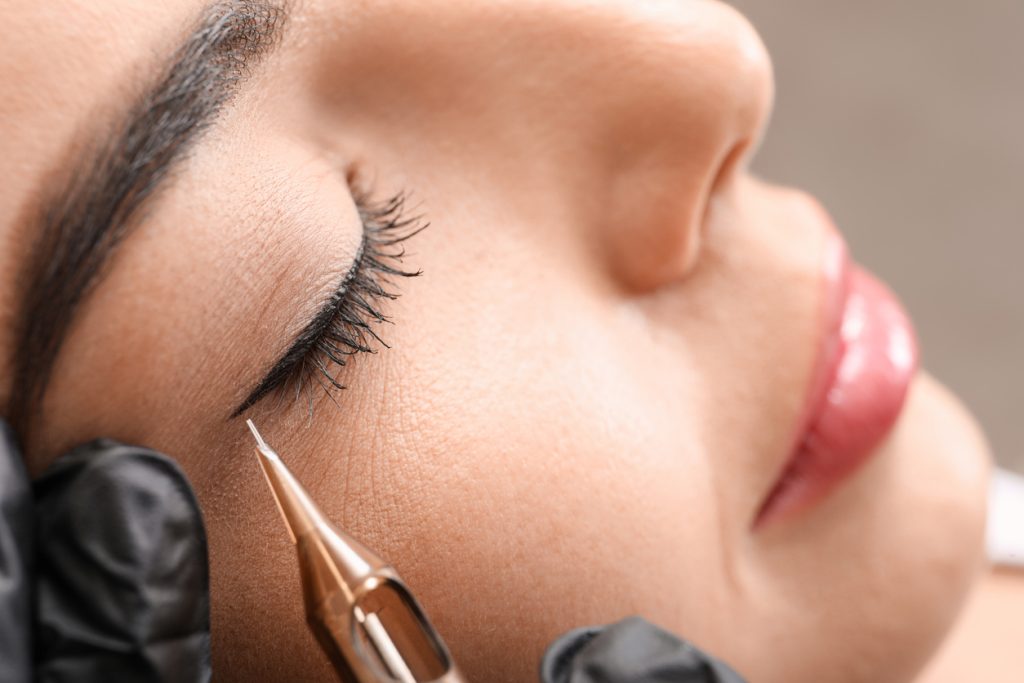
Cosmetic tattooing transforms facial features with precision and artistry by embedding pigment into the dermal layer for lasting enhancement. Mastering best practices for cosmetic tattoo application ensures flawless symmetry, optimal pigment retention, and client satisfaction. In this guide, you’ll discover essential procedural steps, advanced methods for hyper-realistic results, rigorous hygiene standards, the role of colour theory, effective consultation techniques, career-building strategies, and emerging trends for 2025. Throughout, insights from Future Aesthetica’s expert-led, accredited cosmetic tattoo training courses illustrate how safe, long-lasting methods and one-on-one mentorship empower practitioners to achieve professional permanent makeup skills. What Are the Essential Steps for Flawless Cosmetic Tattoo Application? Flawless cosmetic tattoo application begins with a structured workflow that integrates skin analysis, precise design mapping, controlled pigment implantation, and comprehensive aftercare. Defining each stage prevents pigment migration, enhances symmetry, and supports optimal healing. Practitioners who follow these foundational steps achieve consistent, natural-looking results and reduce the risk of complications. How Does Precise Brow Mapping Improve Cosmetic Tattoo Accuracy? Precise brow mapping defines eyebrow landmarks by aligning facial proportions to create symmetry and balance. Using calibrated rulers and mapping strings ensures each hair stroke and shading area follows the client’s unique bone structure. This systematic approach reduces guesswork, supports even pigment distribution, and establishes a dependable guideline for permanent makeup application. Advanced Eyebrow Aesthetics: Contemporary Techniques and Future Directions Eyebrows are integral components of overall facial aesthetics, significantly influencing facial expressions, perceptions of age, and individual identity. Over recent decades, the field of eyebrow enhancement has transitioned from traditional grooming techniques to advanced, scientifically informed procedures. The evolution incorporates innovative modelling techniques, sophisticated pigmentation methods, and cutting-edge technological integration, promising safe, natural, and personalised outcomes. This comprehensive review discusses current methodologies, recent advances, ongoing research, and future prospects, emphasising the importance of safety, skill, and technological development in the rapidly evolving sphere of eyebrow aesthetics. EYEBROW MODELING AND COLOR TRANSFORMATION: MODERN APPROACHES AND FUTURE PERSPECTIVES, 2025 What Are the Key Techniques for Symmetry and Precision in Permanent Makeup? Symmetry and precision rely on technique fundamentals such as micro-strokes, point-by-point shading, and consistent needle angle. Artists maintain a perpendicular needle orientation to control depth, use light, overlapping passes for even pigment saturation, and frequently compare both sides visually. Consistent technique yields uniform hair strokes and gradient fills that mirror natural anatomy. How Should Artists Prepare Skin and Tools for Safe Application? Skin and tool preparation begins with thorough skin cleansing, degreasing with a pH-balanced solution, and application of topical anaesthetic when appropriate. Single-use needles and sterile pigment caps prevent cross-contamination, while pre-sterilised machines and disposables ensure compliance with infection control guidelines. Rigorous preparation reduces bacterial risk and fosters optimal pigment uptake. What Are the Critical Aftercare Practices to Maintain Flawless Results? Effective aftercare supports skin healing and pigment retention by controlling inflammation and avoiding premature pigment loss. Clients follow a concise regimen of gentle cleansing, moisture sealing with barrier ointment, and sun protection. Clear instructions on avoiding excessive moisture, exfoliation, or makeup contact during the first two weeks maintain crisp lines and colour longevity. Which Advanced Cosmetic Tattoo Techniques Deliver Natural, Long-Lasting Results? Advanced cosmetic tattoo techniques refine foundational skills with specialised methods to emulate natural textures and soft gradients. By leveraging ultra-fine machines, custom colour blending, and strategic pigment layering, practitioners create hyper-realistic brows, seamless ombrè shading, flawless lip blush, and precise eyeliners. These methods promote durable outcomes that withstand daily wear and environmental exposure. How Does Nano Feathering Create Hyper-Realistic Hair Strokes? Nano feathering uses an ultra-fine, digital machine tool to deposit pigment in delicate, hair-like strokes. This technique mimics natural brow hairs through precise, shallow passes that stimulate optimal healing and reduce scarring. Artists adjust machine speed and needle configuration to fine-tune stroke length, producing brows that blend seamlessly with existing hair. What Are the Best Practices for Achieving Perfect Ombrè Brows? Ombrè brows involve building a subtle gradient from a softer front to a defined tail. After mapping, artists shade with a gentle circular motion at a low machine speed to deposit pigment gradually. Layering in light passes prevents patchiness, while repeating pigment layering ensures uniform saturation. Proper needle depth control guarantees a soft powder effect that complements skin tone. How Is Lip Blushing Applied for Flawless Colour and Definition? Lip blushing enhances natural lip colour by implanting tinted pigments in multiple, shallow passes. Artists start at the vermillion border for crisp edges, then blend inward with circular motions. Colour theory principles guide pigment selection, balancing warm and cool undertones for harmonious results. Hydrating the skin pre-treatment and advising clients on moisturisation post-care maximises colour retention. What Are the Techniques for Precision Eyeliner Tattooing and Lash Enhancement? Precision eyeliner tattooing employs thin, single-pass strokes along the lash line to define the eyes without excessive thickness. Lash enhancement focuses on subtle dot-by-dot deposits between lashes for a fuller lash base. Maintaining a consistent needle depth and using pigment tailored for eyelid skin ensures smooth lines and minimal trauma, promoting sharp, long-lasting definition. How Does Dark Lip Neutralisation Correct Pigment Discolouration? Dark lip neutralisation targets hyperpigmentation by layering corrective pigments that counterbalance underlying hues. Artists apply a neutral or lighter base colour to rebalance tone, then overlay the chosen blush shade. Controlled pigment layering and patch testing reduce the risk of uneven correction. This advanced colour-correction technique restores symmetry and natural vibrancy. How Do Hygiene and Safety Protocols Ensure Client Protection in Cosmetic Tattooing? Rigorous hygiene and safety protocols are essential for preventing infection, cross-contamination, and adverse reactions. Adhering to Sydney-specific standards, artists implement comprehensive sterilisation procedures, workspace controls, and bloodborne pathogen training. Such protocols safeguard client well-being and reinforce professional credibility. What Are the Sydney-Specific Hygiene Standards and Regulatory Requirements? NSW regulations mandate single-use needles, TGA-approved devices, and compliance with local council infection control directives. Practitioners must register with relevant authorities, maintain record logs of consent and cleaning procedures, and undergo periodic inspections. Adhering to NSW Health guidelines ensures safe, legally compliant practice. How Should Artists Sterilise Equipment and Maintain Infection Control? Equipment sterilisation
Microblading vs. Ombre Shading: Which Technique Is Right for You?
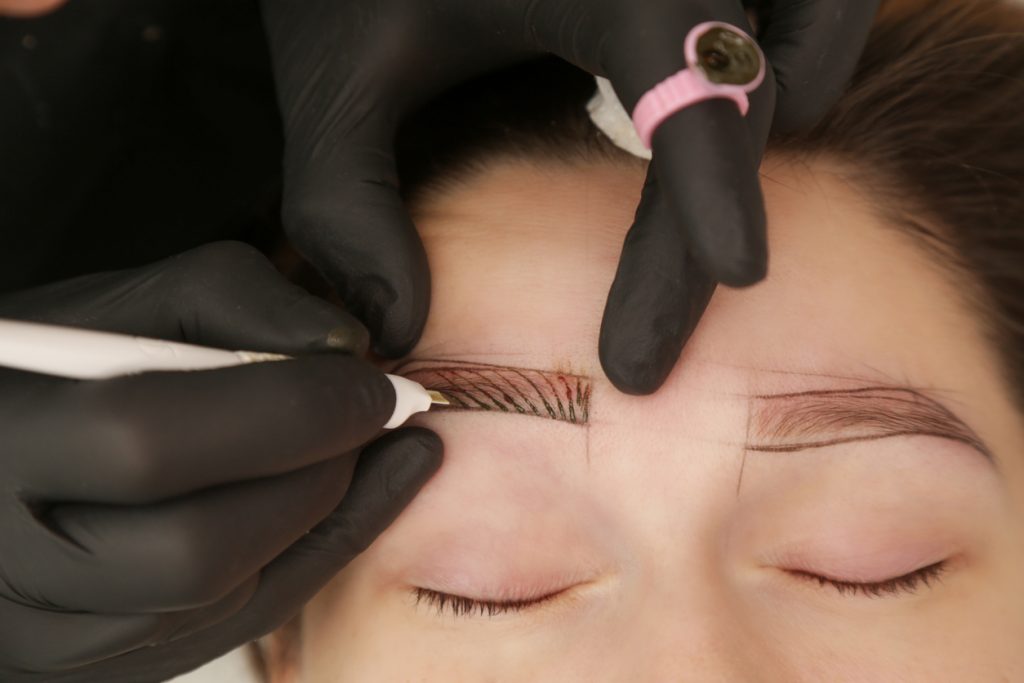
Choosing between microblading and ombre shading can transform your eyebrow artistry, whether you’re a client seeking the ideal brow look or an aspiring cosmetic tattoo artist mastering diverse techniques. In this guide, you’ll discover precise definitions, contrasting application methods, skin-type suitability, healing journeys, and maintenance demands for both approaches. We’ll compare natural hair-stroke effects against soft powder gradients, explore advanced hybrid brows that blend both methods, and share expert criteria to select the perfect technique. You’ll also learn how Future Aesthetica’s training programs equip artists with safe, long-lasting skills in microblading, ombre shading, and emerging trends like hybrid and soft brows. By the end, you’ll have the knowledge to advise clients, or choose for yourself, the ideal eyebrow technique based on look, longevity, comfort, and lifestyle. What Is Microblading? Understanding the Hair Stroke Technique Microblading is a semi-permanent cosmetic tattooing procedure that uses a manual handheld tool fitted with fine blades to implant pigment into the epidermis in hair-like strokes. This method creates natural, three-dimensional brow hairs by mimicking the client’s existing hair pattern, enhancing fullness with minimal downtime. The manual tool deposits ink superficially, resulting in crisp, ultra-fine strokes that resemble real hair without heavy shading. Many artists value microblading for its precision and natural aesthetic in dry to mildly oily skin types. Deep knowledge of stroke angle, needle grouping, and pigment dilution ensures consistent, realistic strokes that blend with natural brow hairs. Mastering microblading demands an understanding of skin texture, needle-depth control, and colour theory. Those insights lay the foundation for exploring ombre shading’s contrasting machine-based approach. How Does Microblading Work? Tools and Application Methods Microblading employs a sterilised, disposable microblade comprising stacked needle tips arranged in a row. After mapping and numbing, the artist uses light, controlled motions to create micro-incisions that hold pigment in the superficial dermis. The process involves: Precision hand pressure and stroke direction determine hair-stroke realism. This manual technique contrasts with machine shading and underpins the natural-hair-stroke effect that clients cherish. What Are the Pros and Cons of Microblading? Before choosing microblading, weigh its advantages and limitations: Which Skin Types Are Best Suited for Microblading? Microblading excels on dry, normal, or slightly oily skin because the superficial pigment placement retains crisp edges without early diffusion. Key suitability attributes include: Conversely, very oily or combination skin may cause strokes to blur as sebum draws pigment outward. Clients with mature, lax skin may experience ink spreading, so machine shading or hybrid approaches often yield better dimension and longevity. What Is the Microblading Healing Process? Key Stages and Aftercare Healing after microblading follows a defined timeline requiring attentive aftercare: Aftercare steps: Proper care optimises stroke retention and prevents uneven pigment drop-out. What Is Ombre Shading? Exploring the Powder Brow Technique Ombre shading, often called powder brows or ombré powder brows, is a semi-permanent technique using a digital permanent-makeup machine to implant pigment in a stippled, gradient fashion. The result is a soft, filled-in effect that resembles brow makeup, with a natural fade from lighter inner arches to deeper tails. Machine-driven dots of pigment create pixel-like shading, offering uniform coverage and enhanced longevity compared with manual strokes. By controlling needle depth, speed, and layering, artists achieve consistent colour density, making ombre shading ideal for oily or mature skin prone to ink migration. This technique emphasises volume and shape rather than hair-stroke detail, providing clients with fuller, makeup-ready brows that last up to three years. How Is Ombre Shading Applied? Machine Tools and Pigment Effects Ombre shading relies on a permanent-makeup machine outfitted with specialised needles (round or flat magnums) to deposit pigment through rapid consecutive pokes. The procedure involves: This machine approach ensures uniform dot density, producing a soft-powder finish that contrasts with microblading’s hair-stroke realism and aligns with makeup-style aesthetics. What Are the Advantages and Disadvantages of Ombre Shading? Ombre shading offers striking benefits alongside considerations: Which Skin Types Benefit Most from Ombre Shading? Ombre shading adapts well to a broad range of skin types: Dry or sensitive skin can also benefit, though careful depth control prevents over-saturation. This versatility makes shading a go-to for clients seeking defined brows on challenging skin. What Is the Ombre Shading Healing Journey? What to Expect Recommended aftercare: Following this regimen ensures a smooth gradient and consistent pigment saturation. How Do Microblading and Ombre Shading Compare? Key Differences Explained Technique Type Handheld Manual Strokes Digital Machine Dots Brow Appearance Individual hair-like definition Soft powder-fill gradient Longevity 1–2 years before fading 2–3 years before fading Pain & Comfort Light pricking sensation Slight buzzing; can be less painful Healing & Scabbing Fine, scattered flakes Larger, uniform flakes Skin Suitability Dry to slightly oily skin All skin types, especially oily Maintenance Frequency Touch-up every 6–12 months Touch-up every 12–18 months What Are Hybrid Brows? Combining Microblading and Ombre Shading for the Perfect Look Hybrid brows merge the precision of microblading hair strokes with the depth of ombre machine shading, resulting in a three-dimensional, softly filled yet defined eyebrow. Artists typically microblade the front of the brow for hair-like detail, then use a shading module to add a powder effect toward the tail, achieving both naturalism and volume. Clients seeking fluffy, realistic hairs complemented by soft shading benefit from this combined approach. Hybrid brows also cater to varied skin types by balancing superficial strokes with deeper pigment layers. This versatile technique demands comprehensive training in both manual blade control and machine settings to avoid over-working the skin. How Do Hybrid Brows Blend Hair Strokes and Shading? Hybrid brows follow a two-step process: This sequence ensures the front remains light and realistic while the tail retains structure and fullness. Mastery of stroke layering and shading intensity is critical to balance realism and density. What Are the Benefits of Hybrid Brows? Key advantages include: These benefits make hybrid brows a top trend for 2025, delivering optimal client satisfaction with minimal compromise. Who Is an Ideal Candidate for Hybrid Brows? Candidates should have healthy skin and realistic expectations about the healing process and maintenance schedule. How
Transform Your Skills With Advanced Cosmetic Tattoo Methods: Master Permanent Makeup Techniques and Professional Training
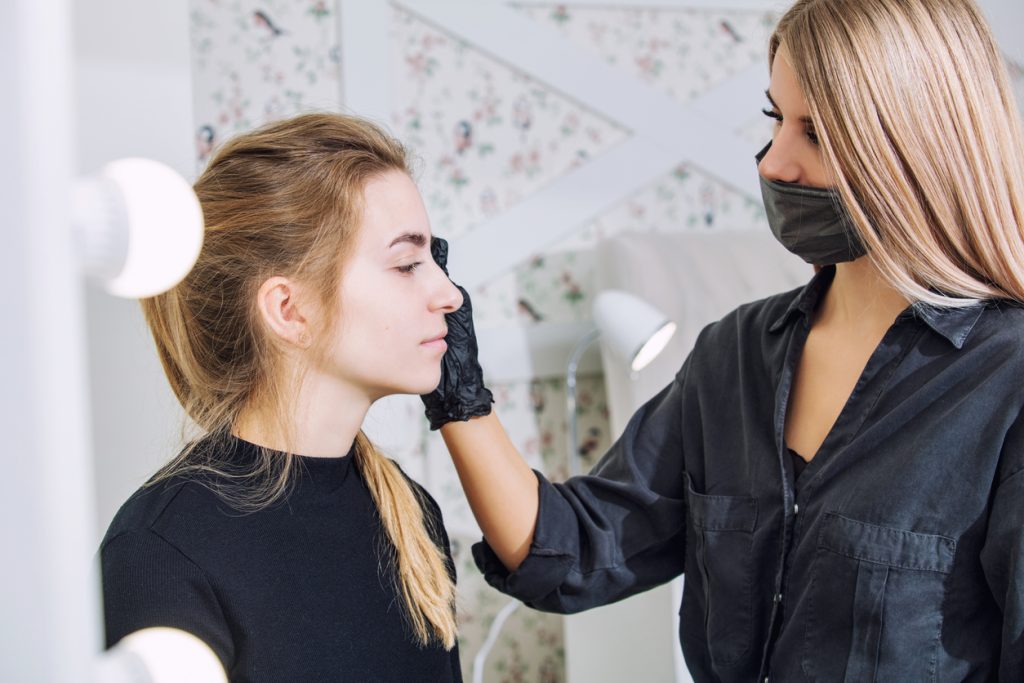
A surge in demand for hyper-natural, long-lasting enhancements has driven cosmetic tattoo artists to pursue advanced skill sets that redefine permanent makeup artistry. In mastering advanced cosmetic tattoo methods, practitioners elevate brow mapping precision, lip blush artistry and paramedical restorative procedures, delivering confidence-boosting results that clients seek in 2025 and beyond. This guide outlines five core themes: Throughout, you’ll discover how Future Aesthetica’s advanced courses equip you with expert-led workshops, digital machine proficiency and organic pigment mastery, building both artistic authority and thriving practice potential. What Are the Most Effective Advanced Permanent Makeup Techniques to Master? Advanced permanent makeup methods encompass specialised approaches that combine digital machines, refined needle configurations and pigmentology to achieve natural-looking, long-lasting results. Nano brows, ombre powder and combination shading expand the artist’s toolkit beyond traditional hand-tool strokes. Key mechanisms include: Mastering these techniques enhances client satisfaction by offering customised solutions across skin textures and pigment retention profiles. This foundation paves the way for exploring brow nuances, lip artistry and paramedical applications. How Do Nano Brows Differ From Traditional Microblading? Nano brows use a digital PMU machine with a single ultra-fine needle to implant pigment, whereas microblading employs a hand-held blade to create hair-like incisions. Nano technology offers: This advanced approach supports hyperrealistic hairstrokes and longevity improvements that conventional microblading alone cannot achieve, laying the groundwork for ombre powder and combination brow artistry. What Are the Benefits of Ombre Powder Brows and Combination Brow Techniques? Ombre powder brows deliver a soft, gradient finish by depositing pigment in gradual layers, while combination brows integrate hair strokes at the front with shading in the tail. Primary benefits include: Artists can tailor brow density and arch depending on client preferences, broadening service offerings and boosting retention rates. How Can Hyperrealism Brows Enhance Your Cosmetic Tattoo Skills? Hyperrealism brows elevate technique by creating multi-directional hair strokes with varied pigment tones, replicating the appearance of natural follicle clusters. Key outcomes: Developing this artistry positions practitioners at the cutting edge of brow tattoo trends, increasing demand for refined skill sets. What Are the Essential Tools and Pigments Used in Advanced Brow Methods? Before delving into paramedical tattooing or lip and eyeliner services, a clear understanding of tools and pigments is critical. The table below outlines core equipment attributes and their professional impact. Equipment Feature Benefit Digital PMU Machine Adjustable speed and depth Ensures consistent pigment implantation Nano Single-Needle Cartridge Ultra-fine, single-needle configuration Produces hair-like strokes with minimal trauma Organic Fade-Resistant Pigments Rich iron oxide and natural binders Extends colour stability and reduces migration Disposable Microblading Blade Triangular blades in various sizes Facilitates custom stroke width and precision How Can You Advance Your Expertise in Lip and Eyeliner Cosmetic Tattooing? Advanced lip and eyeliner tattooing merges colour theory with precise application techniques to sculpt fuller lips and crisp lash lines. By exploring advanced lip blush, neutralisation and ombre lips, artists deliver subtle corrections and bold enhancements tailored to client anatomy. Integrating modern pigment science and smudge-proof design principles deepens technical versatility and service appeal. What Is Advanced Lip Blush and How Does Colour Theory Improve Results? Advanced lip blush applies semi-solid pigment layers to create natural lip tint, using complimentary hues based on the colour wheel to neutralise discoloration. Colour theory mechanisms include: This approach ensures a harmonious fusion between natural lip tones and the cosmetic tattoo artist’s chosen palette, resulting in a durable and balanced finish. How Does Lip Neutralisation Correct Dark or Uneven Lip Tones? Lip neutralisation employs corrective pigments (often green or mauve-based) that sit opposite unwanted undertones on the colour wheel to achieve an even canvas. Steps involve: Artists who master this method expand their corrective repertoire, offering solutions for clients with congenital or age-related lip tone irregularities. What Techniques Create Ombre Lips for Volume and Definition? Ombre lips feature gradient tint that transitions from deeper pigment at the vermillion border to softer hues toward the lip centre. Technique sequence: This technique enhances perceived volume without filler, tapping into the growing demand for non-invasive lip augmentation. What Are the Latest Trends in Precision Eyeliner Tattooing? Eyeliner tattooing has evolved to include lash line enhancement, feathered wing designs and smudge-proof pigments. Key innovations: Leveraging these trends positions artists as specialists in enduring eye enhancement solutions. What Does Specialised Paramedical Tattooing Training Involve? Paramedical tattooing integrates aesthetic artistry with reconstructive principles to address medical or corrective needs. Training covers scar camouflage, areola reconstruction and scalp micropigmentation, empowering practitioners to restore confidence for post-surgical or hair-loss clients. Emphasis on hygiene, anatomy and pigment physiology ensures safe, transformative outcomes. How Is Areola Reconstruction Performed Using 3D Nipple Tattooing Techniques? Areola reconstruction uses layered pigment dot work and shading to simulate three-dimensional areola and nipple texture following mastectomy. Procedural highlights: Mastering this service enriches an artist’s portfolio with life-changing paramedical outcomes. Tattooing for Naturalistic Areola Reconstruction The most common techniques employed to create a naturalistic nipple-areola complex have included skin grafting, tattooing, or a combination of both. Surgeons are finding that tattooing, the intradermal deposition of pigments, can be used to closely approximate natural areola pigmentation. Using the appropriate technique is essential as it is known that tattoo pigment fades over time and appears somewhat different after intradermal application. Indeed, physicians’ experience and colour selection greatly affect the aesthetic outcome. Areola reconstruction: Principles and techniques, 2018 What Are the Best Practices for Scar Camouflage and Inkless Stretch Mark Tattooing? Scar camouflage blends pigments into scar tissue using low-trauma needle speeds and customised pigment blends that match surrounding skin. Inkless stretch mark tattooing employs gentle needle abrasion paired with topical pigment infusion to reduce visibility. Core practices include: These methods extend service offerings beyond cosmetic enhancements into restorative skin artistry. How Does Scalp Micropigmentation Replicate Hair Follicles for Density? Scalp micropigmentation implants micro-dots of pigment across thinning areas to emulate shaved hair follicle appearance. Critical steps: This paramedical technique broadens skill sets into solutions for male and female pattern hair loss. What Safety and Hygiene Protocols Are Critical in Paramedical Tattooing? Paramedical tattoo training
Master Essential Cosmetic Tattoo Techniques for Beginners: Complete Guide to Beginner Permanent Makeup Training Sydney
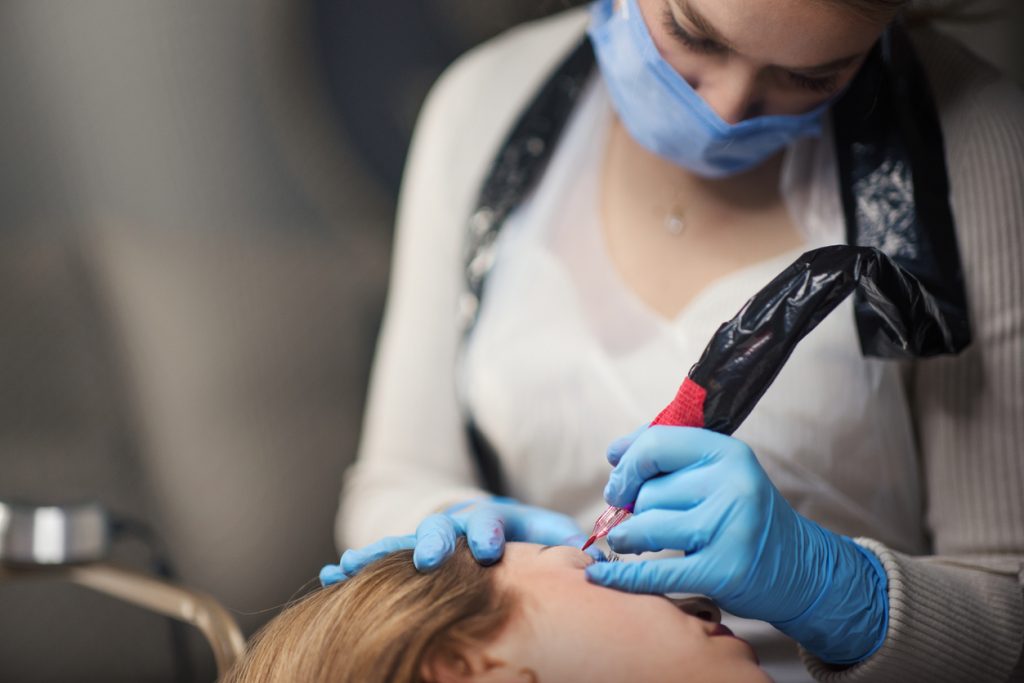
Mastering cosmetic tattooing techniques for beginners begins with a precise balance of theory, artistic skill and hands-on practice. Many aspiring artists face challenges translating creative vision into flawless brows, lips and liner without structured guidance or accredited support. Future Aesthetica specialises in beginner programs like the Beginner Bundle – Brows & Lips and the Diploma of Cosmetic Tattooing (SHB50321) Brow Focus – for Complete Beginner that mirror the integrity of Australian national qualifications while offering unlimited support and one-to-one mentorship. Drawing on recent trends in 2025, this guide explores core cosmetic tattooing techniques for beginners, criteria for choosing reputable Australian accreditation bodies, and the essential theory in skin anatomy, colour science and hygiene. We will detail microblading hair strokes, lip blush gradients, safe eyeliner application, and equipment recommendations including starter kits. The article also addresses common beginner mistakes, strategies to launch a successful cosmetic tattoo career, and the benefits of online or 1:1 training formats. Readers will also learn about specialised online modules such as Ombrè Lip Blush Tattooing and precision-driven courses like Brow Mapping Mastery. This structured preview ensures a clear path from foundational theory to practical mastery and strategic career support through Future Aesthetica’s exclusive network. What Are the Fundamental Cosmetic Tattoo Techniques Every Beginner Should Learn? Which Core Techniques Define Cosmetic Tattooing for Beginners? Cosmetic tattooing for beginners encompasses techniques that establish a solid skill foundation and client confidence. Core methods include hair stroke microblading for natural brow fullness, machine-driven shading for subtle powder brows, lip blush for soft lip tinting and lash enhancement for refined eyeliner. Each method integrates precision mapping and pigment layering to ensure consistent results. Developing competence in these core techniques fosters the dexterity and artistic judgment required for advanced applications. Mastering these basics prepares new artists to tackle specialised procedures covered in accredited training programs. How Does Microblading Create Natural-Looking Hair Strokes? Microblading relies on fine blades to deposit pigment into superficial skin layers, replicating individual hair strokes with remarkable realism. The technique’s mechanism involves angled incisions that mimic natural brow hair direction, promoting seamless blending and client satisfaction. Beginners learn to calibrate blade pressure and pigment depth to avoid scarring and ensure optimal retention. This method enhances brow density without major colour blockiness, setting the stage for more intricate shading or machine work. What Are the Basics of Lip Blush Tattooing for New Artists? Lip blush tattooing involves depositing semi-permanent pigments into the vermilion border to create a natural lip tint and subtler contour. Beginners explore contour mapping, pigment neutralisation and blending techniques to match individual skin tones and desired opacity. Colour theory principles guide the selection of warm or cool pigments, preventing unwanted undertones and ensuring harmonious enhancements. Safe application requires mastery of needle depth, client comfort measures and aftercare protocols to maximise pigment retention. How to Perform Basic Eyeliner Tattoo Techniques Safely? Basic eyeliner tattooing focuses on lash line enhancement through precise pigment placement, creating the illusion of thicker lashes and subtle definition. Trainees learn machine control, needle angle and pigment consistency to ensure even coverage and prevent migration. Rigorous hygiene practices and patch testing are critical for client safety, reducing the risk of allergic reactions or infections. Controlled movements and steady hand positioning help beginners achieve symmetrical, long-lasting results. Below is a comparison of these fundamental techniques, their definitions and primary benefits. Technique Definition Benefit Microblading Hand-held blade strokes that implant fine pigments Creates natural eyebrow hair simulation Powder Shading Machine-driven dotting technique for soft brow shading Provides fuller, gradient brow appearance Lip Blush Tattooing Semi-permanent pigment application across vermilion borders Delivers subtle lip tint and contour Lash Line Enhancement Pigment deposition along lash roots Enhances eye definition and perceived lash volume These key techniques create a solid foundation for safe and creative cosmetic tattooing. How Can Beginners Choose the Right Accredited Cosmetic Tattoo Training in Sydney? What Accreditation Bodies Should Beginners Look For? Beginners should prioritise accreditation from recognised Australian bodies such as ASQA-approved RTOs and industry-specific associations, ensuring courses meet industry standards and client safety regulations. ASQA approval ensures courses meet national vocational education and training standards. Industry-specific associations often provide additional certification that highlights expertise in advanced micropigmentation methodologies. Selecting a course recognised by these organisations guarantees transferable credentials and enhances employability within the Australian beauty sector. How Does Future Aesthetica’s Accredited Training Support Beginners? Future Aesthetica offers accredited programs that combine national qualification rigour with results-driven mentorship. The Beginner Bundle – Brows & Lips and the Diploma of Cosmetic Tattooing (SHB50321) Brow Focus – for Complete Beginner integrate industry-aligned modules and real-world studio practice. Students access unlimited support, one-to-one guidance and small group workshops, reinforcing practical skills. This structure equips beginners with confidence in machine techniques, colour blending and professional consultation workflows. What Are the Benefits of Certification for Cosmetic Tattoo Artists? Certification from respected bodies provides credibility, client trust and legal compliance, underpinning a professional brand in Sydney’s competitive market. Recognised credentials facilitate insurance procurement, salon partnerships and local licensing requirements. Artists with accredited qualifications typically command higher fees and secure more consistent bookings. Certification also unlocks advanced training pathways, enabling ongoing specialisation in niche techniques such as Ombrè Lip Blush Tattooing and Brow Mapping Mastery. Below are key criteria for selecting accredited training in Sydney: Choosing a course with these criteria guarantees a robust professional foundation for new cosmetic tattoo artists. What Foundational Theory Should Beginners Master Before Practical Training? Why Is Understanding Skin Anatomy Crucial for Cosmetic Tattooing? Understanding skin anatomy provides insights into pigment placement, healing processes and potential complications. Beginners learn to identify the epidermis, dermis and subcutaneous layers to calibrate needle depth accurately. Correct depth ensures pigment retention without excessive trauma, reducing scarring risk and promoting consistent colour. Knowledge of vascular networks and nerve endings also guides safe practice and client comfort strategies. How Does Colour Theory Impact Permanent Makeup Results? Colour theory informs pigment selection and blending strategies to achieve natural results and avoid unwanted undertones. Artists examine the colour wheel, complementary hues and skin undertones
Advanced Cosmetic Tattoo Training: Elevate Your Skills Beyond the Basics
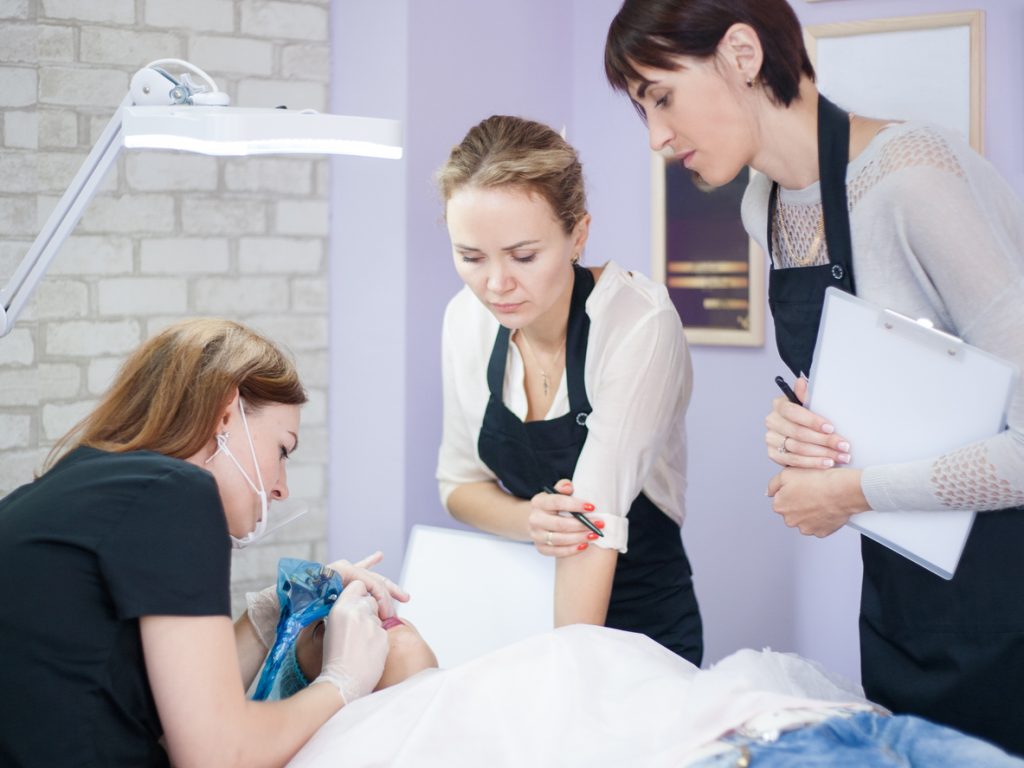
In the ever-evolving world of beauty and aesthetics, staying ahead means continuously enhancing your skills. For those in the cosmetic tattoo industry, this translates to embracing advanced training courses. Whether you’re looking to refine your craft or expand your service offerings, advanced cosmetic tattoo training can be a game-changer. In this article, we’ll explore why these courses are essential, what they entail, and how they can elevate your career. The demand for cosmetic tattoos, also known as permanent makeup (PMU), is on the rise. Clients are seeking more sophisticated techniques and personalised services. Therefore, advancing your skills is not just beneficial, it’s necessary to stay competitive. Why Advanced Cosmetic Tattoo Training Matters Clients today are informed and have high expectations. They seek professionals who can offer more than just basic procedures. Advanced training equips you with the latest techniques and trends, ensuring your services meet and exceed client expectations. With an advanced PMU course, you can offer a wider range of services, such as ombre brows, microblading, and lip blush. This not only attracts a broader clientele but also increases your earning potential. What to Expect from an Advanced Cosmetic Tattoo Course Advanced cosmetic tattoo training courses are designed for those who have completed basic training and have some experience in the industry. These programs delve deeper into the art and science of cosmetic tattooing, providing hands-on experience and expert guidance. Advanced Techniques and Specialisations Learn cutting-edge methods such as nano brows, scalp micropigmentation, and areola restoration. These techniques require precision and a deep understanding of skin anatomy. Colour Theory and Correction Master the art of colour selection and correction to ensure your work complements each client’s unique skin tone and preferences. Health and Safety Standards Stay updated on the latest health and safety regulations to ensure a safe environment for both you and your clients. Business Development Gain insights into marketing strategies and client management to help grow your practice and brand. Advanced courses often feature instruction from industry veterans and PMU masters. These experts bring a wealth of knowledge and experience, offering valuable insights and personalised feedback. Choosing the Right Professional Tattoo Training in Sydney For beauty and aesthetics there are numerous options for professional tattoo training in Sydney. Here are some factors to consider when selecting a course: If you’re looking for the most reputable and in-depth programs, explore the range of cosmetic tattoo training courses in Sydney to find one that aligns with your goals and expertise level. Benefits of Advanced PMU Training and Upskilling Investing in advanced training, such as a cosmetic tattoo upskill course or PMU masterclass, yields numerous professional and personal benefits. Increased Confidence With new techniques under your belt, you’ll feel more confident and capable in your abilities. This confidence translates to better client interactions and outcomes. Higher Earning Potential By offering specialised services, you can charge premium prices. Clients are willing to pay more for advanced cosmetic tattoo results that showcase superior precision and artistry. Networking and Career Growth Advanced training often connects you with other professionals in the beauty industry, fostering collaborations and mentorship opportunities. These connections can lead to client referrals and professional growth. Many professionals who have pursued advanced cosmetic tattoo training in Sydney report significant career progress. For instance, one Sydney-based artist expanded her services to include scalp micropigmentation after attending an advanced PMU course, allowing her to attract new clients and mentor others in the field. Conclusion: Empower Your Career with Future Aesthetica Advanced cosmetic tattoo training is more than an educational pursuit—it’s a strategic investment in your career. By enrolling in a professional tattoo training in Sydney program, you can master innovative PMU techniques, boost your reputation, and enhance your business potential. At Future Aesthetica, you can access comprehensive advanced PMU courses and expert-led PMU masterclasses designed to help you upskill, specialise, and thrive in the competitive beauty industry. Take the leap today and explore how advanced training can transform your career and confidence for the future.