
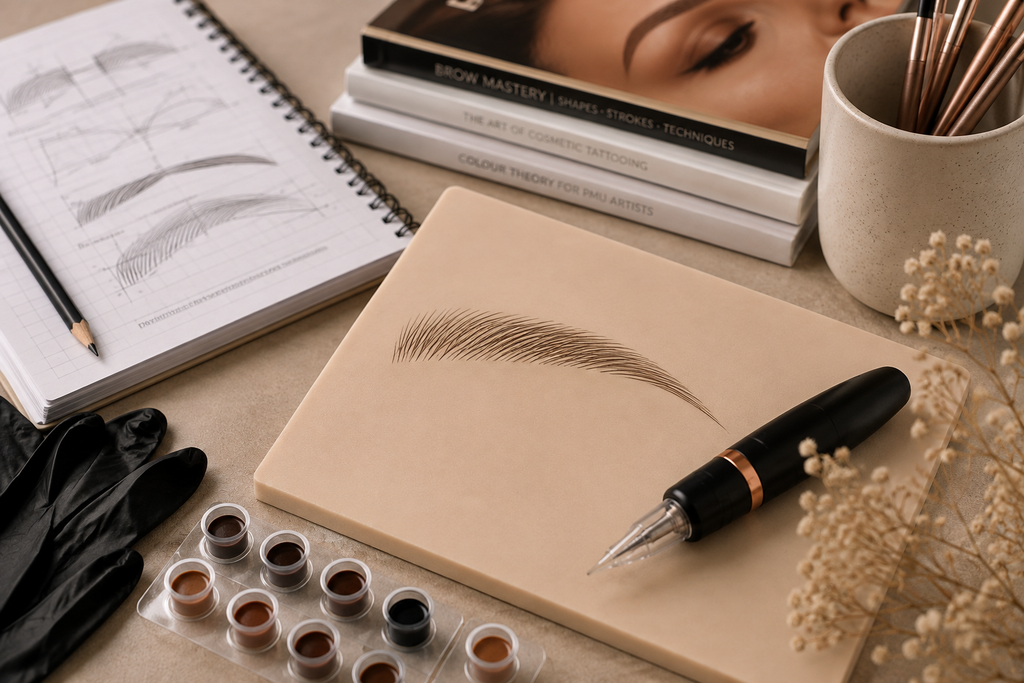


Cosmetic tattooing continues to grow rapidly across Australia as clients seek long-lasting beauty enhancement, natural definition, and personalised aesthetic results. For aspiring artists, choosing the right cosmetic tattoo training course in Sydney is essential for building safe, compliant, and successful practice foundations.
This guide breaks down certification requirements, course structures, safety standards, and career pathways, helping you understand exactly what it takes to become a qualified cosmetic tattoo professional.
Certification Requirements in Cosmetic Tattoo Training
Certification is a key indicator of professional competence in the cosmetic tattoo training course in Sydney. It confirms that a practitioner has completed structured training and can safely perform procedures in line with industry expectations.
Accredited courses typically include:
- Formal theory assessments
- Practical skill demonstrations
- Hygiene and infection control competency
- Client consultation evaluations
Importantly, accredited programmes differ significantly from non-accredited short courses. Accredited training generally follows stricter standards, offering stronger preparation for real-world practice and improved employment outcomes.
In a competitive beauty industry, certification not only builds technical credibility but also strengthens client trust and professional reputation.
Course Structure for Cosmetic Tattoo Training in Sydney
Most cosmetic tattoo courses combine theoretical learning with hands-on practical experience to ensure students develop both knowledge and confidence.
Typical curriculum includes:
- Infection control and hygiene standards
- Skin anatomy and pigment theory
- Client consultation and consent processes
- Technical tattooing techniques (brows, lips, eyeliner)
Types of Cosmetic Tattoo Training Courses Available in Sydney
Training options in Sydney cater to all experience levels, from beginners to advanced practitioners.
Diploma of Cosmetic Tattooing
A comprehensive qualification covering:
- Advanced cosmetic tattoo techniques
- Client management and consultation
- Business and studio operations
Beginner Courses
Ideal for new artists, focusing on:
- Foundational brow techniques
- Hygiene and safety protocols
- Introduction to pigment application
Advanced Masterclasses
Designed for experienced artists looking to:
- Refine technique precision
- Learn modern PMU trends
- Improve corrective work skills
Each pathway supports different career goals, allowing students to progress at their own pace.
Microblading and Permanent Makeup Training Explained
Cosmetic tattoo training often includes specialised techniques such as:
Microblading
A manual technique using a blade to create natural, hair-like strokes for eyebrow course enhancement.
Permanent Makeup (PMU)
A machine-based method used to enhance:
- Eyebrows
- Lips
- Eyeliner
Training combines theory and supervised practice to ensure safe pigment implantation and consistent results.
Career Pathways After Cosmetic Tattoo Training
Certified cosmetic tattoo artists and ombre brow tattoo course can pursue a variety of career opportunities, including:
- Freelance cosmetic tattoo artist
- Salon or clinic technician
- Studio owner
- Educator or trainer in the beauty industry
With strong demand across Sydney and Australia, skilled practitioners often develop long-term careers with strong earning potential and creative flexibility.
Industry networking can also lead to collaborations, brand partnerships, and event opportunities.
Industry Standards and Safety Requirements
Strict industry standards are essential in cosmetic tattooing to ensure client safety and consistent results.
Core requirements include:
- Sterile working environments
- Approved pigments and equipment
- Infection control compliance
- Safe disposal of single-use tools
These standards protect both clients and practitioners while maintaining professional credibility.
Safety and Hygiene Protocols in Training
Safety is a core pillar of all reputable cosmetic tattoo training programs.
Essential protocols include:
- Use of personal protective equipment (PPE)
- Sterilisation of tools and equipment
- Maintaining a clean, controlled workspace
- Cross-contamination prevention practices
These procedures ensure safe delivery of treatment and reinforce trust within the industry.
How to Choose the Right Cosmetic Tattoo Course
Selecting the right training program is critical for long-term success.
Key factors to consider:
Accreditation
Ensure the course is delivered by a recognised training provider.
Curriculum Quality
Look for comprehensive coverage of both theory and practical skills.
Instructor Experience
Experienced trainers provide valuable real-world insight and technical guidance.
Making an informed decision ensures your training aligns with your career ambitions.
Certification and Licensing in Sydney
In Sydney and across NSW, cosmetic tattoo practitioners must comply with strict health and safety regulations.
Accredited programs typically include:
- Infection control training
- Client consultation procedures
- Practical competency assessments
These requirements ensure practitioners are fully prepared for safe, professional practice.
Accredited Certification Bodies in Australia
Nationally recognised training is often delivered through ASQA-approved Registered Training Organisations (RTOs).
These bodies ensure:
- Industry-standard training delivery
- Consistent assessment requirements
- Nationally recognised qualifications
This level of accreditation enhances employability and professional credibility.
Updated Safety Standards and Industry Compliance (2025–2026)
Cosmetic tattooing regulations continue to evolve, with increasing emphasis on:
- Hygiene compliance
- Continuous professional development
- Safe pigment application practices
Staying up to date ensures long-term compliance and high-quality client outcomes.
Practical Training and Hands-On Learning
Hands-on experience is essential for developing real-world competency.
Best practices include:
- Supervised live model practice
- Structured instructor feedback
- Detailed record-keeping and documentation
These elements ensure students graduate with confidence and practical readiness.
Career Support and Professional Facilities in Sydney
Access to professional facilities significantly enhances training outcomes.
Modern training environments provide:
- Industry-grade equipment
- Structured learning spaces
- Mentorship and career guidance
For practitioners looking to further develop their skills or work in a professional setting, Future Aesthetica offers supportive industry spaces designed for cosmetic tattoo artists to learn, grow, and operate.
Conclusion
A qualified diploma in Cosmetic Tattooing in Sydney provides the foundation for a successful and sustainable career in the beauty industry. With accredited certification, structured learning, and hands-on experience, aspiring artists can develop the skills needed to deliver safe, high-quality cosmetic tattoo services.
Choosing the right training pathway is an investment in your future, supporting both professional credibility and long-term career growth.
For practitioners seeking a professional environment to continue their journey, Future Aesthetica provides a space where skill development and industry opportunity come together.