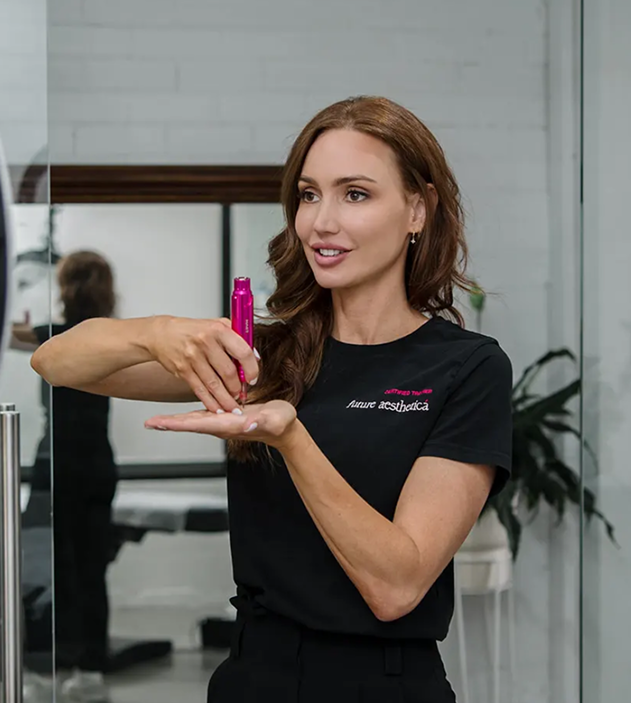


In this guide, I’ll share what I’ve learned through over 13 years in cosmetic tattooing, including building My Rejuvenate, my own cosmetic tattoo and aesthetics studio in Sydney, and 10 years teaching aspiring artists.
My aim is to help you understand where to begin, what to look for in training and how to build a strong foundation for your career.
For help planning the business side, download the Brow Boss Game Plan, which I co-created with business coach Jade Sher from JadeStart, and updated in November 2026. It covers business structures, premises, council requirements, insurance considerations and marketing basics to help you turn your next steps into a practical plan.
Is running a business part of your goal? And if so, is it something you want to work towards now or in the longer term after working for other businesses? This is the first decision you will need to make, even before you start your training.
Have a goal in mind—short term and long term
Most of our students, myself included, begin cosmetic tattoo training with the goal of being their own boss, achieving financial freedom and creating flexibility around family and work.
This is achievable, and we’ve been part of the journey of countless students who have trained with us and built successful businesses. However, there can be a misconception fuelled by academies “selling the dream” of a quick course followed by an equally quick turnaround to earning a small fortune.
I prefer a more transparent approach: reaching that point takes considerable work and dedication. If your intention is to become a business owner, you’ll need to consider the many hats you’ll wear, particularly in the beginning. Setting up a business requires a well-considered plan—and for an ambitious individual, that process can also be exhilarating.
In 2019, I had been working in and running my business, My Rejuvenate, for about 5 years. I had a 1year old daughter and a team of beauty therapists offering other services. Ready to scale and systemise my business, I completed a business mentorship program with business growth agency, The Entourage. The most valuable lesson I took from The their founder and CEO, Jack Delosa, was the importance of understanding and strengthening the six pillars of business, which formed the foundation of the mentorship:
- Product: In this case, your skills and the treatments you offer.
- Operations: How you run your business, including booking systems and everyday processes.
- Finance: Understanding your numbers and managing your tax obligations.
- Marketing: How people find you, including through social media.
- Sales: Turning interest in your services into bookings and revenue.
- Culture: The values, personality and atmosphere of your business, including the working environment you create if you have a team.
With AI and so many resources now at our fingertips, there is more support than ever for setting up and running a business. Established business owners who invest in understanding and integrating AI can improve how their businesses operate and create more free time. The aim is to use AI alongside a good business structure, helping it work more efficiently and effectively.
Crawl before you walk
You don’t need to open your own studio straight after training. Working within an established business can give you the opportunity to develop your skills, build a client base and gain experience before taking on the overheads of your own premises.
One option is to work as an independent contractor under your own ABN, with an arrangement that reflects genuine self-employment. You might rent a treatment room or agree on a percentage of treatment revenue with the business owner.
Employment is another excellent pathway, particularly if you have additional skills in beauty therapy or dermal treatments. These skills can make you a valuable addition to a clinic while you gradually build the cosmetic tattooing side of your role.
Whichever pathway you choose, look for a business where your services complement theirs, expectations are clear and you have access to appropriate support as a developing artist. Starting this way can be a deliberate step towards owning your own business, or a rewarding long-term career choice in itself.
What Should I Look for in a Cosmetic Tattoo Training Course?
When choosing a cosmetic tattoo training course in Australia, look for a program that covers the essential fundamentals, including skin science, colour theory, infection control, tattooing techniques and hands-on practical training.
Quality training goes beyond a short course. Choose an academy offering personalised learning plans, realistic timelines and ongoing mentorship, with a manageable practice schedule that fits around family, work and other commitments.
Think of learning cosmetic tattooing like learning a new sport. Even the best coach can teach you everything they know, but consistent practice, repetition and feedback are what turn knowledge into skill.
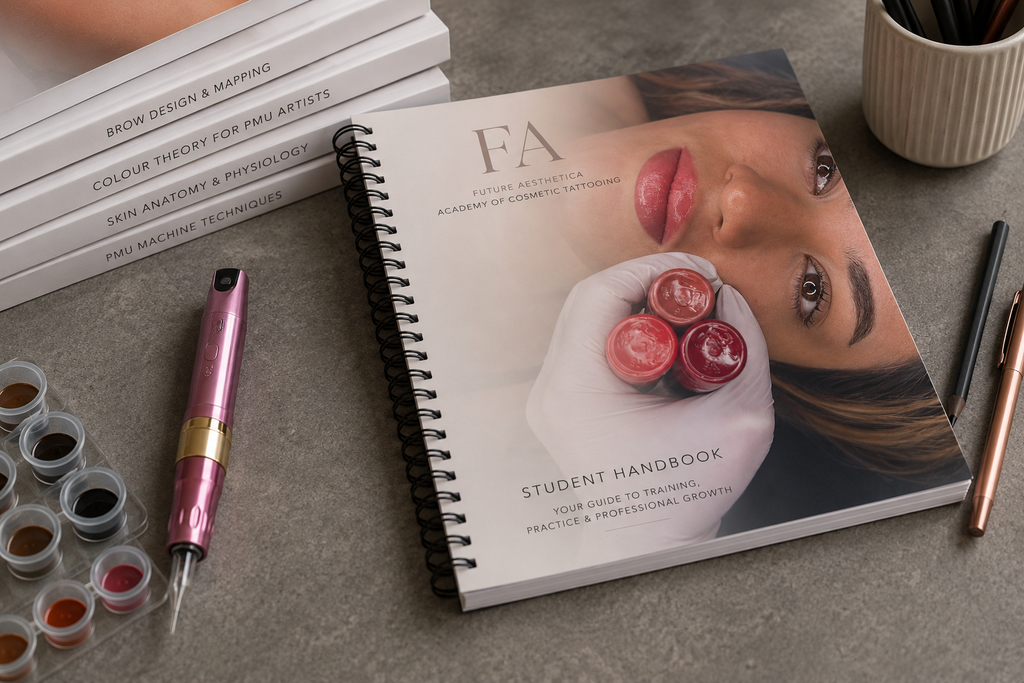
This philosophy is why I founded Future Aestheticà Academy in Sydney. Our hybrid training combines structured in-person sessions with guided at-home practice, allowing students to progress at their own pace.
Located alongside our working cosmetic tattoo clinic, My Rejuvenate, our Academy provides real-world industry exposure and a collaborative environment where artists learn from and support one another.
With a rolling calendar of training events throughout the year, students also receive unlimited access to the relevant training sessions included in their enroled program, creating ongoing opportunities to practise, refine their techniques and build confidence.
Red Flags to Watch for When Choosing a Cosmetic Tattoo Training Academy
Not all cosmetic tattoo courses offer the same level of education, practical experience or ongoing support. Here are some red flags to look out for before enroling anywhere:
- Big income promises: Be cautious of academies promoting how much money you could earn rather than the skills, experience and commitment required to build a successful career.
- Short courses with no ongoing support: A 4 or 5-day intensive can provide a great foundation, but it shouldn’t be the end of your training journey. Look for continued practice opportunities, feedback and mentorship.
- More focus on the trainer than the students: An educator’s achievements matter, but where are their student success stories? Look for genuine graduate outcomes, testimonials and examples of student progression.
- One-size-fits-all training: Everyone learns differently. Avoid programs that don’t consider your experience, confidence, learning pace or lifestyle commitments.
- Limited hands-on experience: Watching demonstrations isn’t enough. Quality cosmetic tattoo training should include supervised practical experience, ideally with multiple live models and constructive feedback.
- Pressure to enrol quickly: Be wary of unrealistic promises, aggressive sales tactics or pressure to commit before you’ve had the opportunity to understand what’s included.
Remember: You’re not simply purchasing a cosmetic tattoo course. You’re investing in the education, guidance and practical skills that will form the foundation of your future career.
My own journey to becoming a cosmetic tattooist and business owner
I started my business from scratch, on my own, without any beauty qualifications or skills beyond what I’d learned in a four-day cosmetic tattoo course. That course covered eyeliner, brows and lip blush, but left me hugely out of pocket and without the practical skills I needed to feel capable.
I completed my training in 2013, when cosmetic tattooing was far less established and specialist eyebrow artistry hadn’t yet gained the recognition it has today. Short, intensive courses were the only training options I knew of, and I didn’t have access to the online communities, resources and professional networks available now.
I had to overcome poor training and, quite frankly, the feeling that I had no idea what I was doing. This is where my obsessive-compulsive tendencies came in handy: I kept practising, researching and pushing myself to improve until I began closing those gaps. That experience also inspired me to become a trainer and change the way PMU education was delivered, so other artists could begin their careers with the skills and support I’d needed.
I sold my car to buy my first PMU machine. At the time, needles could cost $500 a box because they were specific to the machine- we simply didn’t have today’s range of high-quality, affordable equipment.
I was determined to succeed. In the beginning, my progress came through hard work, trial and error, a willingness to do more and a constant desire to be better than I was. Later, further training and education helped me build on that foundation.
Practical Advice for Your First Steps
- Set short- and long-term goals before you begin training. Know what you’re working towards, whether that’s joining a clinic, starting your own business or creating more flexibility around family.
- Create a realistic plan for each milestone. Consider the time, practice, money and support you’ll need, and allow room to adjust as you progress.
- Choose an academy that offers a skills development program. Look beyond the initial training days to practical experience, individual feedback and ongoing mentorship.
- Approach training as a journey. After more than 13 years in cosmetic tattooing, including 10 years teaching, I still invest in training, practise regularly and diversify my skills.
- Build your professional network. Attend events and seminars, join communities and connect with other artists and business owners. These relationships can offer support, referrals and opportunities.
- Learn to understand your numbers. Know your treatment costs, overheads and tax obligations, and understand the difference between revenue and profit.
- Let your client base grow before committing to premises. If you’re starting from scratch, consider renting a room, working on a percentage arrangement or collaborating with an established business before taking on your own lease.
- Have another source of income or financial support while you establish yourself. Building a client base takes time. Plan for the early months—and potentially longer—so you’re not relying on immediate bookings to cover your living expenses.
- Make time to review your healed results. Follow up with clients and use what you learn to guide your practice and further training.
Make use of FREE resources while you’re starting out
You don’t need to pay for every tool or learning opportunity while you’re building your business. There are useful free resources to help you develop your business skills and keep your initial costs manageable:
- Business training and support: The Australian Government’s Self-Employment Assistance program offers free small business training and other support for eligible participants. Check with a provider about your eligibility and options.
- Social media marketing: Meta Blueprint offers free courses to help you understand Facebook and Instagram marketing.
- Using AI: OpenAI Academy offers free courses to build practical AI skills, including using tools such as ChatGPT.
- Basic online bookings: Google Calendar allows personal Google Account users to create a single booking page at no cost, although more advanced features require a paid subscription.
Start with what you need, learn how to use it well and invest in more advanced tools as your business grows.
Frequently Asked Questions About Becoming a Cosmetic Tattoo Artist in Australia
1. What qualifications do I need to become a cosmetic tattoo artist in Australia?
There is no single nationally mandated cosmetic tattoo qualification for every artist in Australia. However, professional cosmetic tattoo training, infection control knowledge and compliance with state-specific skin penetration regulations are essential.
A comprehensive beginner cosmetic tattoo course should cover skin science, colour theory, infection prevention, tattooing techniques and supervised practical experience.
In New South Wales, cosmetic tattooing is classified as a skin penetration procedure under the Public Health Act 2010 and Public Health Regulation 2022. Businesses must comply with hygiene and infection control requirements, register with their local council and obtain the necessary approvals before operating.
Official resources:
- NSW Health – Beauty, Body Art and Skin Penetration Fact Sheet
- Australian Government – National Training Register
If you’re planning to train or work outside NSW, check with your relevant state or territory health authority and local council for the requirements that apply to you.
2. Can I become a cosmetic tattoo artist without any beauty industry experience?
Yes! You can begin cosmetic tattoo training without previous beauty industry experience. Many successful artists enter the profession from completely different career backgrounds.
While experience in beauty therapy, makeup artistry or dermal science can be beneficial, it’s not essential to begin learning. What’s more important is choosing a beginner-friendly cosmetic tattoo course that teaches the fundamentals and provides practical experience, personalised guidance and ongoing mentorship.
3. How long does it take to become a qualified cosmetic tattoo artist?
A beginner cosmetic tattoo course may run for 4–5 intensive days, but completing a course doesn’t necessarily mean you’re ready to work independently. Most of our students at Future Aestheticà Academy complete their training with confidence within 2-3 months.
Becoming a confident and competent cosmetic tattoo artist takes ongoing practice, practical experience and professional guidance. Your timeline will depend on your learning pace, previous experience and opportunities to practise.
Look for an academy offering flexible training schedules and continued mentorship so you can develop your skills alongside work, family and other commitments.
4. How much does it cost to become a cosmetic tattoo artist in Australia?
The cost of becoming a cosmetic tattoo artist varies depending on your chosen training program, equipment, insurance and business setup.
When comparing cosmetic tattoo course prices in Australia, consider what’s included beyond the initial training days. Practical model experience, equipment, ongoing support and access to additional training can significantly influence the overall value.
If you’re starting your own business, you’ll also need to budget for suitable premises, hygiene requirements, consumables, insurance and marketing. Starting within an established clinic or renting a treatment room may help reduce initial overheads.
5. How do I choose the best cosmetic tattoo training academy in Australia?
The best cosmetic tattoo training academy is one that supports your individual learning needs, career goals and long-term development.
Look for experienced educators, comprehensive foundational training, supervised live-model practice, genuine student success stories and ongoing mentorship.
Be cautious of academies promising quick financial success or suggesting that a short course alone will make you an expert.
At Future Aestheticà Academy in Sydney, we believe cosmetic tattoo education should be a journey, not just a course. Our flexible training pathways combine structured practical learning, guided home practice and continued opportunities to develop your skills and confidence.
Resources, References & Further Reading
Whether you’re researching cosmetic tattoo training in Australia or preparing to launch your own business, these resources offer useful guidance on industry regulations, education and career development.
Australian Training & Regulatory Resources
- NSW Health – Skin Penetration Procedures – Official guidance on hygiene, infection control and regulatory requirements for cosmetic tattooing and other skin penetration procedures in NSW.
- training.gov.au – Australia’s national register of vocational education and training, where you can research recognised qualifications, units of competency and registered training organisations.
- NSW Government – Starting a Business – Guidance on business registration, planning and setting up a business in NSW.
Business Development & Mentorship
- Australian Government – Self-Employment Assistance – Explore eligibility for small business training, business planning assistance, mentoring and coaching.
- Moneysmart – Self-Employment – Practical financial guidance for self-employed Australians, including budgeting, managing irregular income and planning for financial commitments.
- The Entourage – Business Coaching & Growth – Business education, coaching and community for entrepreneurs developing their marketing, financial management, leadership and growth strategies.
- JadeStart – Business Coaching & Mentoring – Business guidance and mentorship for entrepreneurs looking to build confidence, develop strategies and grow sustainably. [Insert JadeStart website link]
Cosmetic Tattoo Education & Career Resources
- Future Aestheticà – Brow Boss Game Plan – Our downloadable guide to planning your cosmetic tattoo career, exploring training pathways, business models and practical steps to get started. [Insert download link]
- My Rejuvenate – Cosmetic Tattoo & Skin Clinic, Annandale – Our working Sydney clinic, located alongside Future Aestheticà Academy, where students can gain insight into a professional cosmetic tattoo and aesthetics environment.
- Future Aestheticà Academy – Beginner Cosmetic Tattoo Training – Explore our flexible training pathways, practical learning opportunities and ongoing mentorship for aspiring cosmetic tattoo artists.
Resource Disclaimer: These resources are provided for general information and education only. Talina Johnson is not responsible for the content of external websites. Regulations, eligibility requirements and services may change, so we recommend verifying information directly with the relevant provider or authority.
About the Author
Talina Johnson
Founder, Artist & Educator | Future Aestheticà Academy
Talina Johnson is an Accredited Cosmetic Tattoo Artist with a Bachelor of Health Science, over 13 years of industry experience and 10 years dedicated to educating and mentoring cosmetic tattoo artists.