
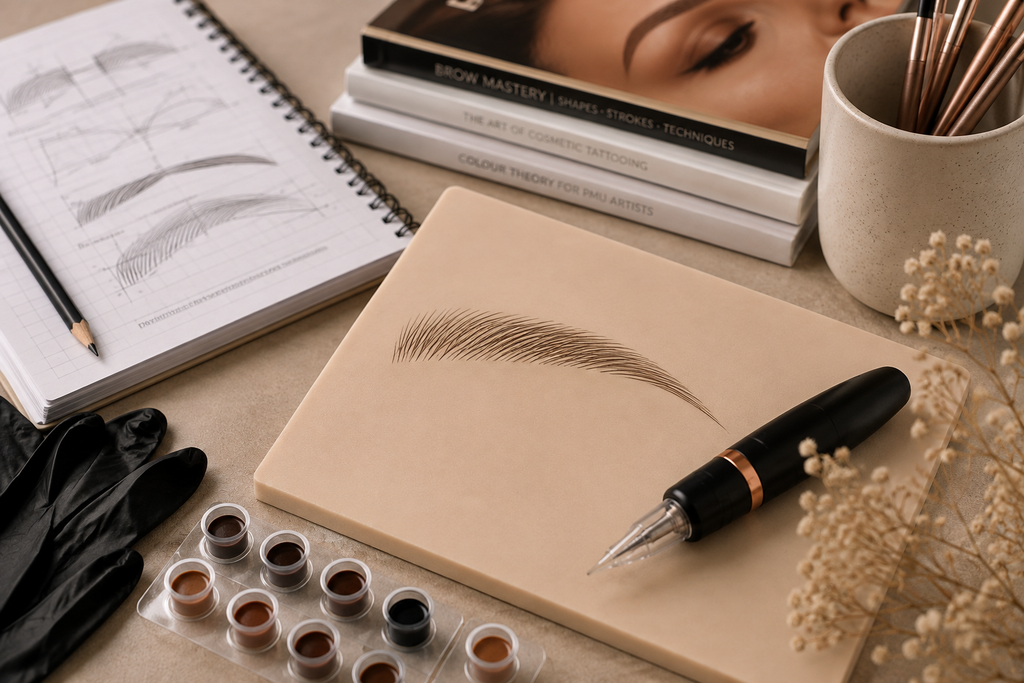


The cosmetic tattoo industry continues to thrive across Australia as more clients seek long-lasting beauty treatments that simplify their daily routines. While eyebrow tattooing remains one of the most requested services, cosmetic eyeliner tattooing is rapidly growing in popularity for its ability to enhance the eyes with subtle, natural-looking definition that lasts for years.
For cosmetic tattoo artists looking to increase their revenue, expand their treatment menu and stand out in a competitive market, enroling in a cosmetic eyeliner tattoo course is an excellent way to develop specialised, high-demand skills.
Before committing to your training, it’s important to understand what’s involved, the level of commitment required, and how to choose a course that provides the knowledge, practical experience and ongoing support needed to succeed in the Australian beauty industry.
Why Cosmetic Eyeliner Tattooing Is Growing in Popularity
Whether you’re new to cosmetic tattooing or an experienced artist ready to expand your services, this guide covers five essential things you should know before starting your cosmetic eyeliner tattoo training in Sydney.
Modern cosmetic tattooing has evolved significantly over the past decade. Clients are no longer looking for harsh, heavily defined permanent makeup. Instead, they want soft, natural enhancements that complement their facial features.
Cosmetic eyeliner treatments have become particularly popular because they can:
- Create the appearance of fuller lashes
- Enhance eye definition
- Save time on daily makeup application
- Smudge-proof everyday beauty routines
- Improve facial symmetry
- Suit busy lifestyles
With increasing demand across Sydney and Australia, qualified cosmetic tattoo artists who specialise in eyeliner procedures are well positioned to build successful and rewarding careers.
Training with an experienced academy such as Future Aesthetica helps students develop both the technical precision and confidence needed to perform eyeliner tattoo procedures safely and professionally.
1. Cosmetic Eyeliner Tattooing Requires Precision and Patience
One of the first things every student should understand is that eyeliner tattooing is one of the most technically demanding cosmetic tattoo procedures.
Unlike eyebrows or lips, the eye area is highly sensitive and requires exceptional precision.
Students learn how to safely work around delicate tissue while maintaining client comfort and achieving symmetrical results.
During a cosmetic eyeliner tattoo course, you’ll typically study:
- Eye anatomy
- Eyelid structure
- Lash line placement
- Pigment implantation techniques
- Machine handling
- Needle configurations
- Stretching techniques
- Client positioning
- Hygiene protocols
Developing these skills takes time, practice, and guidance from experienced trainers.
Many students initially find eyeliner more challenging than brows, but the techniques taught at Future Aesethetica are easy to understand and apply, pain free and safe methods however, consistent practice is what will achieve total confidence. Always choose training that offers unlimited in person support – not just by text or phone. l
2. Choose a Course That Covers More Than Just Technique
While learning how to perform treatments is essential, a quality training program should also provide a comprehensive understanding of cosmetic tattooing as a profession.
The best cosmetic tattoo courses include theoretical education alongside practical training.
Topics commonly covered include:
Infection Control
Client safety is always the highest priority.
Students should learn:
- Cross-contamination prevention
- Sterilisation procedures
- Personal protective equipment
- Safe disposal of sharps
- Workplace hygiene standards
Understanding infection control is critical for complying with Australian health regulations.
Skin Anatomy
Understanding skin structure helps students:
- Select appropriate needle depth
- Improve pigment retention
- Reduce skin trauma
- Promote consistent healing
This knowledge forms the foundation of safe cosmetic tattooing.
Colour Theory
Choosing the correct pigment is an essential skill.
Students learn how to:
- Match skin undertones
- Understand pigment behaviour
- Prevent unwanted colour changes
- Achieve natural healed results
Colour theory is just as important for eyeliner as it is for eyebrow and lip tattoo procedures.
Client Consultations
Professional consultations help determine:
- Client suitability
- Medical history
- Contraindications
- Desired outcomes
- Treatment expectations
Strong consultation skills help build trust while reducing misunderstandings.
3. Practical Experience Is Essential
Reading manuals and watching demonstrations can only take you so far.
Real learning happens through practical application.
A professional beginner tattoo course should include extensive hands-on experience.
Training often progresses through several stages:
Theory
Students first develop foundational knowledge.
Practice Skins
Before treating live models, students practise:
- Machine control
- Line work
- Pressure consistency
- Hand positioning
Demonstrations
Experienced educators perform live procedures while explaining every step.
Live Models
Students gradually transition to supervised model work, allowing them to gain confidence under professional guidance.
Practical training is one of the biggest factors separating high-quality education providers from shorter introductory courses.
4. Consider Your Long-Term Career Goals
Although you may begin by learning eyeliner tattooing, many successful cosmetic tattoo artists eventually expand their treatment offerings.
After completing a cosmetic eyeliner tattoo course, students often continue their education with:
- Ombre brows
- Powder brows
- Nano brows
- Lip blush tattooing
- Colour correction
- Scar camouflage
- Advanced cosmetic tattoo techniques
Many training providers also offer pathways towards a Diploma of Cosmetic Tattooing, allowing students to continue building their qualifications and technical expertise as their careers progress.
Choosing an academy that provides ongoing education can make a significant difference to long-term success. As techniques, pigments, equipment and industry standards continue to evolve, access to advanced training and continued support helps artists refine their skills and remain competitive.
Future Aesthetica places a strong emphasis on continuous professional development by offering advanced education pathways, unlimited student support and ongoing mentoring beyond beginner training. Rather than relying on trial and error to develop advanced techniques, choosing a provider committed to long-term education gives artists the guidance and confidence to continue growing throughout their careers.
Becoming an excellent cosmetic tattoo artist involves far more than performing beautiful treatments.
5. Success Requires More Than Technical Skill
Successful professionals also develop strong business and communication skills.
These include:
Client Communication
Understanding client expectations helps improve satisfaction and long-term relationships.
Good communication includes:
- Explaining procedures
- Discussing healing
- Managing expectations
- Providing aftercare advice
Photography
High-quality treatment photographs are essential for building a professional portfolio.
Students should learn how to photograph:
- Before and after results
- Healed work
- Close-up treatment details
Professional images support future marketing efforts.
Marketing
Many graduates eventually become self-employed.
Learning basic marketing principles can help attract clients through:
- Social media
- Google Business Profile
- Client referrals
- Professional branding
- Online reviews
Business Management
Running a successful cosmetic tattoo business also requires knowledge of:
- Appointment scheduling
- Client records
- Consent forms
- Pricing
- Inventory management
- Equipment maintenance
Developing these business skills early can contribute to long-term success.
Understanding Australian Health Requirements
Cosmetic tattoo practitioners in Australia must comply with state and local health regulations.
Requirements may include:
- Infection control procedures
- Council approvals
- Workplace hygiene standards
- Safe waste disposal
- Client documentation
- Equipment maintenance
Students planning to practise in New South Wales should familiarise themselves with applicable regulations before commencing professional work.
Equipment You’ll Learn to Use
During training, students become familiar with professional cosmetic tattoo equipment.
This commonly includes:
- Digital tattoo machines
- Cartridges
- Pigments
- Mapping tools
- Measuring instruments
- Topical products
- Barrier protection materials
Learning proper equipment handling helps students work safely while producing consistent treatment outcomes.
What Makes a Great Cosmetic Tattoo Educator?
Choosing the right educator is just as important as selecting the course itself.
Look for trainers who provide:
- Industry experience
- Practical demonstrations
- Individual feedback
- Small class sizes
- Ongoing mentoring
- Updated techniques
- Student support after graduation
Quality education can make a significant difference to your confidence and future career progression.
Building Confidence Takes Practice
Every cosmetic tattoo artist starts as a beginner.
Confidence develops through:
- Practice
- Mentoring
- Repetition
- Constructive feedback
- Continuing education
- Treating a variety of skin types
It’s completely normal to feel nervous during your first treatments.
Professional training provides a supportive environment where mistakes become valuable learning opportunities.
Frequently Asked Questions Before Enroling
Do I need previous beauty experience?
Many courses are suitable for complete beginners, although some advanced training programs may have prerequisites.
How long does training take?
Course durations vary depending on the provider and level of qualification.
Will I practise on live models?
Many quality training providers include supervised model work as part of practical training.
Can I continue learning after graduation?
Yes. Many graduates progress to advanced treatments, such as ombre brow tattoos, lip blush masterclasses, and advanced machine techniques.
Career Opportunities After Completing the Course
Graduates may pursue careers in:
- Cosmetic tattoo studios
- Beauty clinics
- Skin clinics
- Medical aesthetic practices
- Independent businesses
- Mobile cosmetic tattoo services (where appropriate)
- Advanced cosmetic tattoo education after gaining industry experience
The growing popularity of semi-permanent makeup continues to create strong opportunities throughout Australia’s beauty industry.
Tips for Choosing the Right Course
Before enroling, ask the training provider:
- Is the course suitable for beginners?
- How much practical training is included?
- Are live models provided?
- Is ongoing mentoring available?
- What equipment is supplied?
- Are course manuals included?
- Are advanced training opportunities available?
- What support is offered after graduation?
Taking the time to compare providers helps ensure you receive quality education that aligns with your career goals.
Conclusion
Enroling in a cosmetic eyeliner tattoo course is an exciting step towards building a career in one of Australia’s fastest-growing beauty industries. By choosing comprehensive training that combines practical experience, infection control, skin anatomy, colour theory, and business knowledge, you’ll develop the skills needed to perform treatments confidently and safely. Whether you’re beginning with a beginner tattoo course or planning to progress towards a diploma of cosmetic tattooing, selecting a provider that also offers broader cosmetic tattoo courses and advanced options such as an ombre brow tattoo course can support your long-term professional growth. With expert educators, hands-on learning, and ongoing mentorship, Future Aesthetica equips aspiring cosmetic tattoo artists with the confidence, technical ability, and industry knowledge needed to succeed in Sydney’s competitive cosmetic tattoo industry. As your career evolves, Future Aesthetica continues to provide pathways for advanced education, helping you stay current with modern techniques and deliver exceptional results for your future clients.