
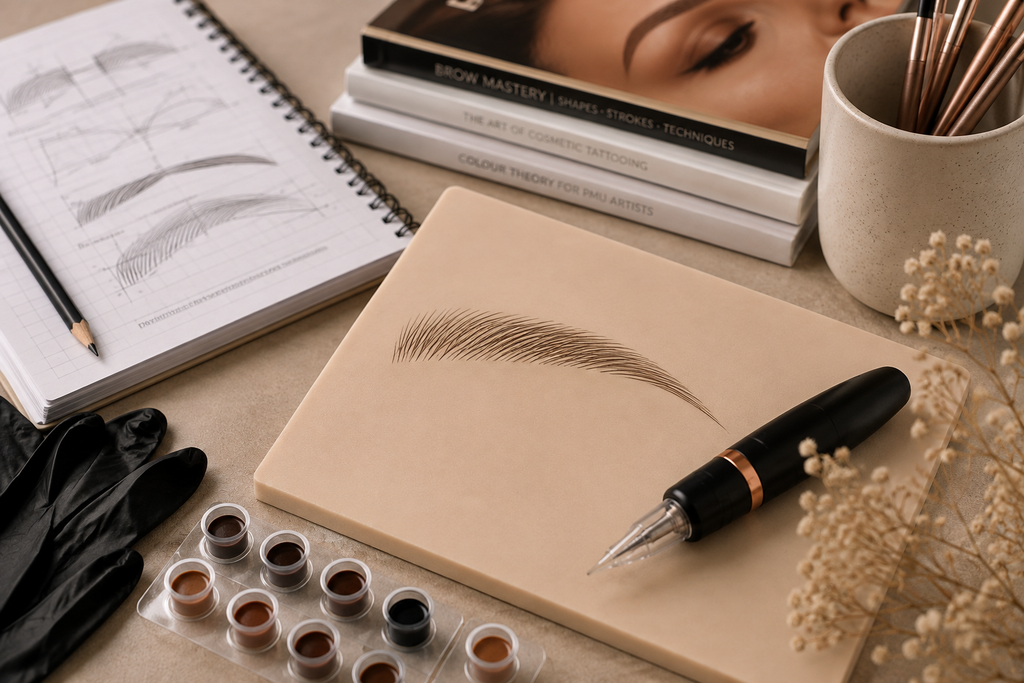


Cosmetic tattooing in Sydney continues to grow as more clients seek long-lasting beauty solutions, and more practitioners enter the industry. This guide outlines the key techniques, training pathways, certification requirements, and safety standards that underpin a successful career in cosmetic tattooing.
Training Programs in Sydney
Cosmetic tattoo training programs in Sydney are designed to develop both artistic ability and clinical precision. Courses typically combine practical skill development with infection control and safety education.
Common areas of study include microblading, lip blush tattooing, and eyeliner tattooing. Course durations vary depending on the level of training and specialisation, allowing students to choose a pathway aligned with their goals.
These programs are structured to ensure students gain hands-on experience while learning essential hygiene and client safety protocols. This combination ensures graduates are better prepared for real-world practice.
Certification Requirements
Certification is an important milestone in cosmetic tattoo training. It demonstrates that a practitioner has met recognised competency standards and can perform procedures safely and effectively.
The key benefits of certification include improved client trust, compliance with regulatory expectations, and increased career opportunities within the beauty industry.
Accredited training ensures that graduates are taught according to established industry guidelines, supporting both professional credibility and long-term career development.
Career Pathways
Once qualified, cosmetic tattoo artists can explore a variety of career pathways depending on their interests and goals.
Many begin their careers working in established salons, gaining valuable experience under supervision. Others move directly into self-employment, offering mobile or studio-based services and building their own brand.
Specialisation is another common pathway, with artists focusing on areas such as microblading, lip blush, or paramedical tattooing to expand their service offering and attract a wider client base.
Each pathway offers different levels of flexibility, income potential, and creative freedom.
Additional Considerations for New Artists
Beyond technical training, long-term success in cosmetic tattooing also depends on strong business foundations. Skills such as client management, marketing, and financial planning are essential for building a sustainable practice.
Access to a professional workspace can also support career growth. Many emerging artists in Sydney explore room hire options to establish themselves in a controlled, professional environment before opening their own studio.
Core Cosmetic Tattoo Techniques Taught in Sydney
Training programs focus on foundational techniques that form the basis of most cosmetic tattoo services.
Eyebrow tattooing uses hair-like strokes or shading techniques to create natural-looking brows. Lip blush tattooing enhances lip colour and definition while maintaining a soft finish. Mastering these core techniques allows artists to deliver consistent results and build confidence before progressing to advanced procedures.
How Microblading Enhances Eyebrow Appearance
Microblading is a popular technique that uses fine, hair-like strokes to replicate natural eyebrow hairs. It is designed to enhance shape, fill sparse areas, and create a balanced facial appearance.
The benefits of microblading include a natural finish, long-lasting results that typically last between one and three years, and a highly customisable design tailored to each client’s facial structure.
It is particularly suited to clients seeking a low-maintenance solution for fuller, well-defined brows.
Benefits of Microshading and Permanent Makeup
Microshading, often referred to as ombre brows, and other permanent makeup techniques provide soft, powdered effects or enhanced definition for brows, lips, and eyeliner.
These techniques offer several advantages, including reduced daily makeup time, consistent results, and long-lasting, smudge-resistant wear that suits active lifestyles.
They are ideal for clients seeking a polished, low-maintenance beauty routine.
Accredited Cosmetic Tattoo Training Options in Sydney
Sydney offers a range of accredited training providers that combine theory with supervised practical experience.
These programs are designed to prepare students for certification and professional practice by teaching both technical skills and safety procedures.
Enroling in an accredited course ensures students receive structured training aligned with industry expectations and regulatory standards.
Certification Bodies in Cosmetic Tattooing
Certification and accreditation in cosmetic tattooing are overseen by recognised organisations that maintain industry standards and training quality.
These bodies ensure that training programs meet safety, competency, and educational requirements, helping maintain public confidence in the industry.
Course Duration Overview
Cosmetic tattoo training courses vary in length depending on the technique and depth of study.
Microblading courses typically run for around six weeks, lip blush training for approximately four weeks, and eyeliner tattooing courses for around five weeks.
These timeframes allow students to develop technical ability while gaining essential safety and practical experience.
Safety and Hygiene Standards in Cosmetic Tattooing
Safety and hygiene are fundamental to all cosmetic tattoo procedures. Strict infection control, sterilisation protocols, and client screening processes are essential to ensure safe outcomes.
Practitioners must understand potential risks and follow industry-standard procedures to minimise complications and protect client health.
How Safety Protocols Are Integrated into Training
Safety is embedded throughout cosmetic tattoo training programs. Students are taught infection control procedures, emergency response protocols, and regulatory compliance requirements.
These components are reinforced through both theory and practical training to ensure safe application in real-world settings.
Regulatory Requirements for Practitioners
Cosmetic tattoo practitioners must comply with relevant licensing, health regulations, and ongoing professional development requirements.
Adhering to these standards ensures safe practice, reduces legal risk, and strengthens professional credibility within the industry.
Building a Successful Career After Training
Success in cosmetic tattooing requires more than technical skill. Building a strong portfolio, gaining hands-on experience, and developing a professional network are all key steps in establishing a successful career.
Many practitioners start in salon environments before transitioning into independent work as their confidence and client base grow.
Career Pathways and Business Models
Cosmetic tattoo artists can choose from several business models depending on their goals. Eyeliner tattooing defines the lash line for a more structured eye appearance.
Some prefer freelance work for flexibility, while others establish their own studios for greater control and branding opportunities. Collaboration with other beauty professionals is also common, offering access to wider client networks.
Each model offers different opportunities for growth and income development.
Conclusion
Cosmetic tattooing in Sydney offers a rewarding career path for those willing to invest in accredited training, practical experience, and ongoing education.
Choosing the right training program is essential for developing safe techniques, building confidence, and establishing a strong professional foundation.
Future Aesthetica provides industry-relevant cosmetic tattoo training designed to support aspiring artists at every stage of their journey. From foundational techniques to advanced skill development, Future Aesthetica helps students build a career grounded in confidence, compliance, and creativity.