
Comprehensive Permanent Makeup Training in Sydney: What Aspiring Cosmetic Tattoo Artists Need to Know

The cosmetic tattoo industry in Australia continues to grow strongly, with more clients seeking long-lasting beauty solutions for brows, lips, and eyeliner. As a result, demand for qualified cosmetic tattoo artists is increasing across Sydney and beyond. For those considering a career in permanent makeup, choosing the right training program is one of the most important steps towards building a successful future. High-quality education provides far more than technical skills. It also equips students with the confidence, safety knowledge, and practical experience required to work professionally in the industry. Whether you’re completely new to cosmetic tattooing training or looking to expand your existing beauty qualifications, understanding the available training options can help you make informed decisions about your career. Why Cosmetic Tattoo Training Matters Permanent makeup is a professional field that combines artistry with technical precision. Every treatment requires an understanding of skin anatomy, pigment selection, facial symmetry, and hygiene procedures. Professional training provides students with the knowledge needed to perform treatments safely while delivering natural and aesthetically pleasing results. Without proper education, aspiring artists may struggle to develop the confidence and skills necessary to build a successful career. Building a Strong Foundation Comprehensive training typically covers: These fundamentals form the foundation for long-term success in the cosmetic tattoo industry. Popular Permanent Makeup Courses Available in Sydney Aspiring artists have access to a range of cosmetic tattoo courses depending on their interests and career goals. Many students begin with foundational training before progressing to advanced techniques. Eyebrow Tattoo Training Eyebrows remain one of the most requested cosmetic tattoo treatments in Australia. Training programs may include: Because eyebrows frame the face, students learn how to create customised shapes that complement individual facial features. Lip Blush Training Lip blush treatments continue to grow in popularity as clients seek subtle colour enhancement and improved definition. Students are introduced to: Proper training helps artists achieve soft, natural-looking results. Eyeliner Tattoo Training Eyeliner procedures require precision and confidence. Training generally focuses on: Because eyeliner tattooing is considered an advanced procedure, strong foundational skills are essential. Why Practical Experience Is So Important Theory provides valuable knowledge, but hands-on practice is where students truly develop confidence. Practical sessions allow aspiring artists to: Learning under experienced cosmetic eyebrow tattoo trainers helps students overcome challenges and develop consistency. Confidence Comes Through Repetition Many new artists feel nervous when transitioning from training to treating real clients. Practical education helps bridge this gap by providing a supportive environment where students can build confidence before entering the industry. Understanding Hygiene and Safety Standards Client safety is one of the most important aspects of cosmetic tattooing. Professional training programs place significant emphasis on infection control and industry best practices. Students learn: These standards help protect both practitioners and clients while supporting positive treatment outcomes. Meeting Australian Industry Expectations Australian clients increasingly expect cosmetic tattoo artists to operate according to strict hygiene standards. Strong safety knowledge not only protects clients but also enhances professional credibility. Career Opportunities After Cosmetic Tattoo Training The beauty industry offers a variety of pathways for qualified cosmetic tattoo artists. Graduates may choose to: As consumer awareness continues to increase, qualified practitioners are positioned to benefit from growing demand. An Industry With Long-Term Potential Permanent makeup has evolved from a niche service into a mainstream beauty treatment. This growing acceptance has created increased opportunities for artists who invest in professional education and continue developing their skills. Staying Current With Industry Trends The cosmetic tattoo industry continues to evolve through new techniques, pigments, and equipment. Popular trends currently include: Ongoing education allows practitioners to remain competitive and continue offering modern services to clients. Choosing the Right Training Provider Not all cosmetic tattoo courses provide the same level of education. When researching training programs, aspiring artists should consider: Choosing the right academy can significantly influence both confidence and future career success. Investing in Quality Education Professional education should be viewed as an investment rather than an expense. Comprehensive training provides the skills and knowledge required to build a sustainable and rewarding career. Institutions such as Future Aesthetica are dedicated to helping aspiring cosmetic tattoo artists gain practical experience, develop confidence, and stay aligned with the latest industry standards. Why Sydney Continues to Be a Leading Location for PMU Education Sydney has become one of Australia’s leading centres for cosmetic tattoo education. Students from across New South Wales are attracted to the city because of its: As the demand for permanent makeup treatments continues to rise, Sydney remains an ideal location for aspiring artists to begin their professional journey. Conclusion Comprehensive permanent makeup training provides aspiring artists with the technical skills, practical experience, and industry knowledge needed to succeed in Australia’s rapidly growing beauty industry. From eyebrow and lip blush procedures to advanced eyeliner techniques, professional education creates the foundation for long-term success. By choosing reputable training providers and investing in ongoing development, students can build confidence and create rewarding careers within cosmetic tattooing. For aspiring professionals seeking industry-focused education and hands-on support, Future Aesthetica offers comprehensive training designed to prepare students for success in the evolving world of cosmetic tattooing.
Benefits of an Accredited PMU Training Certification for Aspiring Cosmetic Tattoo Artists
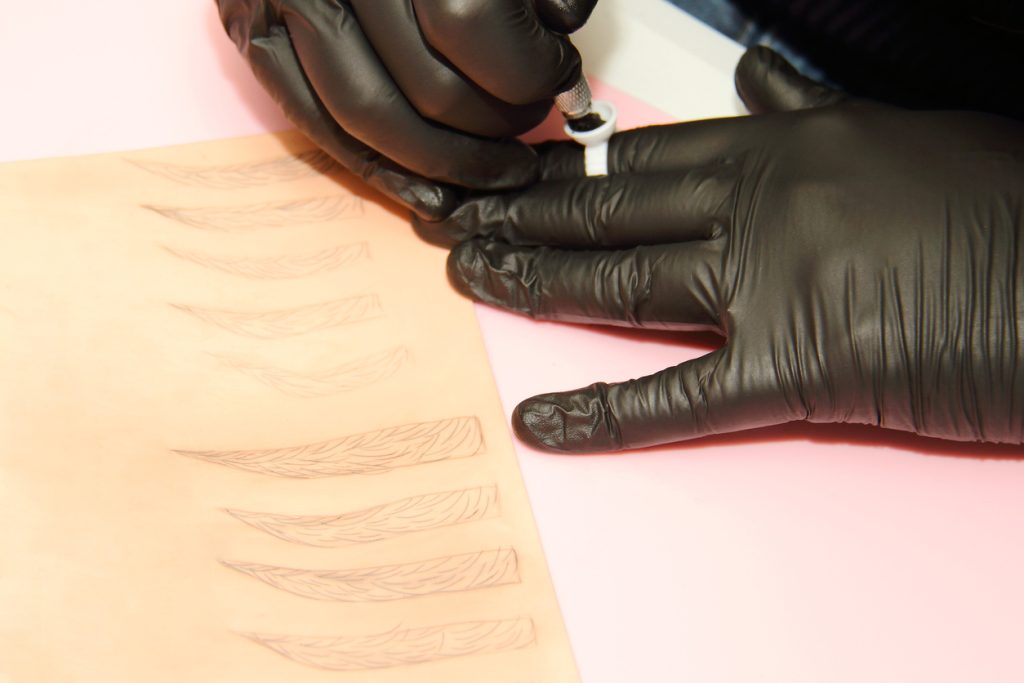
The cosmetic tattoo industry in Australia continues to grow as more clients seek long-lasting beauty solutions for brows, lips, and eyeliner treatments. As demand increases, so does the need for highly trained and qualified professionals who can deliver safe, consistent, and natural-looking results. For aspiring artists, choosing the right training provider is one of the most important decisions in building a successful career. While many courses are available, completing an accredited PMU training certification offers advantages that extend far beyond learning treatment techniques. From improving credibility to increasing career opportunities, accredited education provides the foundation needed to thrive in the competitive beauty industry. Why Accreditation Matters in Cosmetic Tattoo Training Permanent makeup is a specific field that requires a combination of technical skills, artistic ability, hygiene knowledge, and client care. Accredited training programs are designed to meet recognised educational standards and ensure students receive comprehensive instruction in both theory and practical application. Choosing accredited education helps students gain confidence while ensuring they are learning industry best practices. A Strong Foundation for Long-Term Success Many diplomas of cosmetic tattoo artists focus solely on learning treatment techniques. However, successful practitioners also need knowledge in: Accredited courses provide a more complete education that prepares students for real-world situations. Greater Professional Credibility Clients are becoming increasingly informed about cosmetic tattoo procedures and often research practitioners before booking treatments. Having recognised qualifications can immediately enhance your professional image and demonstrate a commitment to quality and safety. Building Client Confidence People trust practitioners who have invested in professional education. Accredited certification can help reassure clients that you have received structured training and understand: This added trust often leads to stronger client relationships and increased referrals. Better Career Opportunities As the cosmetic tattoo industry becomes more competitive, recognised qualifications can help practitioners stand out. Completing accredited PMU training certification may open opportunities to: Many clients actively seek artists with recognised credentials when choosing a provider. Supporting Business Growth Professional training is an investment in your future. The knowledge gained through accredited education can help artists: These benefits contribute to long-term career success. Improved Safety and Hygiene Standards Safety is one of the most important aspects of cosmetic tattooing. Accredited programs place significant emphasis on infection control and safe treatment practices. Students learn how to: These skills protect both practitioners and clients while supporting positive treatment outcomes. Reducing Risks for Clients Clients expect cosmetic tattoo procedures to be performed professionally and safely. Proper education helps minimise complications and ensures artists understand how to deliver treatments responsibly. This commitment to safety helps strengthen client trust and supports a positive industry reputation. More Comprehensive Training Than Non-Accredited Courses Not all cosmetic tattoo courses provide the same level of education. Some shorter or non-accredited programs may focus only on basic treatment techniques without covering the broader knowledge required to operate professionally. Accredited courses generally offer: This creates a more complete learning experience. Greater Confidence for New Artists Many beginners feel nervous when transitioning from training into treating real clients. Comprehensive education helps students develop the confidence needed to perform procedures safely and consistently. Confidence often translates into better client experiences and stronger results. Keeping Up With Industry Developments The cosmetic tattoo industry continues to evolve with new technologies, pigments, and treatment techniques emerging regularly. High-quality accredited programs are updated to reflect current industry trends and standards. This ensures students learn modern methods rather than outdated practices. Learning From Experienced Educators One of the biggest advantages of professional training is access to experienced mentors. Learning from educators who actively work within the industry provides valuable insights into: This guidance can significantly accelerate professional growth. Supporting Client Satisfaction Successful cosmetic tattoo treatments rely on more than technical skill alone. Accredited education helps practitioners understand the importance of: These factors contribute to improved healed results and greater client satisfaction. Building a Loyal Client Base Satisfied clients are more likely to: Strong client relationships are essential for creating a sustainable business. Choosing the Right PMU Training Provider When researching training providers, aspiring artists should consider: Investing in quality education can make a significant difference to your confidence, skills, and future career opportunities. Why Education Should Never Be Rushed Cosmetic tattooing is a profession that requires ongoing learning and practice. Choosing a reputable training provider ensures students receive the knowledge and support needed to build a successful career. Providers such as Future Aesthetica are committed to delivering comprehensive education that helps aspiring artists develop the skills, confidence, and industry knowledge required to succeed in Australia’s growing cosmetic tattoo industry. Conclusion Completing an accredited PMU training certification provides far more than a qualification. It creates a strong foundation for professional growth, improves credibility, supports client safety, and helps practitioners develop the confidence needed to succeed. As the Australian cosmetic tattoo industry continues to expand, investing in quality education can help aspiring artists stand out and build rewarding careers. For students seeking professional, industry-focused education, Future Aesthetica provides comprehensive training designed to prepare the next generation of cosmetic tattoo professionals for long-term success.
Qualified Cosmetic Tattoo Training Courses Sydney: What You Need to Know

Aspiring beauty professionals pursue qualified cosmetic tattoo courses to sharpen skills and broaden career options. These programmes deliver core theory and hands‑on practice in cosmetic tattooing, covering techniques such as microblading and microshading. Familiarity with entry requirements, instructional methods, and industry standards is essential before you enrol. This article examines course prerequisites, teaching methodologies, regulatory expectations and likely career pathways in Sydney. By the end, you’ll understand what it takes to build a successful career in cosmetic tattooing. Course Requirements Most Sydney online courses set clear entry criteria: you must be at least 18, show a commitment to aesthetics and be prepared to learn both practical and theoretical skills. Providers often recommend a basic beauty therapy qualification or equivalent salon experience. Choose programmes accredited by recognised bodies to ensure the curriculum aligns with industry standards and equips you with the competencies employers expect. Training Methodologies Training typically combines classroom theory with supervised practical work. Many programmes use blended learning online modules paired with in‑clinic practice, so you consolidate knowledge before working on clients. Mentorship from experienced practitioners is a core component, offering technical feedback and professional guidance throughout your course. Industry Standards Compliance with industry standards is non‑negotiable. Strict health and safety regulations govern client care and salon hygiene to minimise infection risk. Lifelong professional development keeps you current with techniques and trends, while rigorous client‑safety protocols help build trust. For beauty professionals expanding services, suitable room hire in Sydney provides a compliant, professional treatment environment. Potential Career Opportunities Completing a certified course opens multiple career routes. Graduates can take roles in salons or clinics, work freelance to set their own schedules, or establish studios offering a range of cosmetic tattoo services. To progress, commit to continuous training and industry networking. Attend workshops and events to refine techniques, expand your client base and build professional relationships. What Are the Accredited Cosmetic Tattoo Training Options in Sydney? Sydney hosts several accredited providers delivering comprehensive cosmetic tattoo programmes. Accreditation from recognised bodies confirms course quality and gives you confidence in the qualification you earn. Which Permanent Makeup and Microblading Courses Are Recognised? Recognised permanent makeup and microblading courses cover skin anatomy, colour theory and hands‑on application. Accreditation from regulators such as ASQA helps ensure course outcomes meet national quality standards and prepare you for professional practice. How Do Course Accreditations Impact Career Prospects? Accreditation materially affects your employability. Graduates of accredited programmes demonstrate verified competencies that employers value, widening job opportunities and often supporting higher earning potential as a credentialed practitioner. What Core Techniques and Modules Are Covered in Professional Cosmetic Tattoo Courses? Professional courses teach core techniques and theoretical modules essential for competent practice. These commonly include: What Skills Will You Learn in Microblading and Microshading Training? Microblading and microshading modules develop technical competencies you will use in client work, including: How Is Hands-On Practical Training Integrated into Course Curriculum? Hands‑on practice is integrated throughout the curriculum. Under instructor supervision, you’ll rehearse techniques on models, receive corrective feedback and build a portfolio of treated cases that demonstrates readiness for professional practice. How Do Safety and Hygiene Standards Shape Cosmetic Tattoo Training in Sydney? Safety and hygiene underpin every Accredited training programme. Courses emphasise infection control, correct sterilisation and single‑use protocols, and teach mandatory health and safety measures to protect both you and your clients. What Are the Mandatory Health and Safety Practices Taught? Mandatory health and safety practices taught include: How Do Training Providers Ensure Compliance with Australian Industry Standards? Providers maintain compliance by updating curricula to reflect regulatory changes and by employing instructors with proven industry experience and credentials. Regular assessments and internal quality checks support ongoing accreditation and training integrity. What Career Pathways and Support Follow Completion of Cosmetic Tattoo Certification? After certification, graduates gain access to employment pathways and support resources. Many providers offer job‑placement assistance and facilitate introductions to reputable salons and clinics, while industry events and workshops provide networking opportunities. How Can Graduates Build Successful Careers in the Beauty Industry? You can build a successful career by: What Post-Training Resources and Mentorship Are Available? Post‑training resources commonly include online forums, advanced workshops and one‑to‑one mentorship. Ongoing mentorship helps new artists refine technique, manage client care and navigate business challenges. Conclusion Enroling in a qualified cosmetic tattoo course in Sydney provides the technical skills and professional knowledge required to launch a career in the beauty industry. Understanding entry requirements, teaching methods, and industry standards demonstrates the value of accredited education and ensures graduates prioritise client safety and satisfaction. Take the next step in your professional development by reviewing training options that match your goals. Discover our recommended courses today to begin your path toward certification as a cosmetic tattoo artist.
Qualified Cosmetic Tattoo Training and Certification in Sydney: Your Path to a Professional Career

A career in cosmetic tattooing combines creative artistry with precise technical skill. This guide explains qualified cosmetic training and certification in Sydney, the course options available, the core techniques you will master, and the career pathways that follow. Many aspiring artists find the choices and regulatory requirements confusing, so clear knowledge of certification steps and essential skills will help you plan a successful professional practice. We cover course structures, key techniques, the distinction between microblading and microshading, permanent makeup procedures, certification protocols, entry requirements, and career opportunities. Course Details Choose courses that match your experience level. Training ranges from introductory beginner programmes to intensive diplomas and specialist masterclasses. Each programme emphasises practical technique, clinical hygiene, and client consultation, so you are ready for professional work. Course Type Duration Key Focus Beginner Courses 4 weeks Introduction to basic techniques and hygiene standards Diploma of Cosmetic Tattooing 12 weeks Comprehensive training in various cosmetic tattooing methods Advanced Masterclasses 2 weeks Specialised techniques for experienced practitioners Each programme is structured to build practical competence, clinical safety and client-management skills necessary to excel in the beauty industry. Essential Techniques Covered Training covers the technical foundations you will use daily: manual hairstroke techniques, machine-based micropigmentation methods and rigorous infection-control procedures. These form the clinical backbone of practice. Mastering these techniques ensures you meet client expectations while remaining compliant with health and safety standards. Differences Between Microblading and Microshading Microblading and microshading are distinct approaches within eyebrow cosmetic tattooing, each suited to different aesthetic goals and skin types. Knowing these distinctions helps you advise clients during consultation and select the best technique for their skin and desired outcome. Permanent Makeup Procedures Included Certification programmes include core permanent‑makeup procedures that enhance facial features and deliver lasting results. These modules ensure graduates are competent in contemporary techniques and prepared for client work. Certification Process Certification follows a structured assessment framework designed to verify both theoretical knowledge and practical ability. This rigorous assessment pathway builds professional credibility and confirms you can perform procedures safely to industry standards. Requirements and Duration Course entry often requires meeting specific prerequisites and committing to the stated course duration. Clarifying prerequisites and time commitments lets you plan your training pathway and professional timeline effectively. Career Opportunities Completion of accredited training and certification opens multiple professional avenues within the beauty sector. These pathways demonstrate the potential for a sustainable, flexible career as a qualified cosmetic tattoo practitioner. Securing appropriate premises is essential when you practise or run training sessions. If you need a dedicated space in Sydney, consider the options for room hire in Sydney that cater to beauty services. Conclusion A career in cosmetic tattooing offers creative fulfilment and the opportunity to enhance clients’ natural features. With comprehensive, accredited training and certification from Future Aesthetica, you’ll gain practical techniques, infection control knowledge and client consultation skills needed for professional practice. Explore available training pathways and take the next step towards building your portfolio, refining your skills and advancing your career in the cosmetic tattoo industry.
Eyebrow Tattoo Training for Beginners: Your Guide to Starting a Career in Cosmetic Tattooing
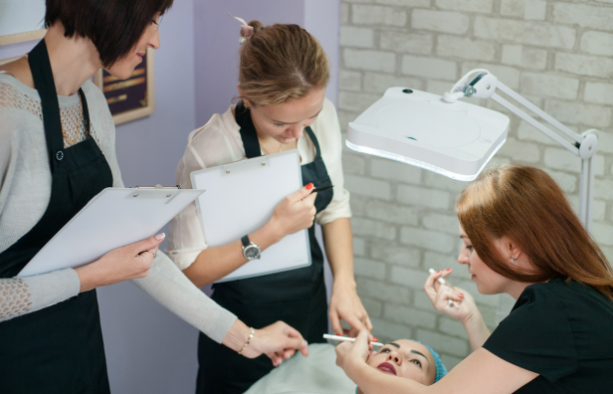
The beauty and aesthetics industry in Australia continues to grow rapidly, with eyebrow tattooing becoming one of the most in-demand cosmetic services. As more clients seek long-lasting brow enhancement solutions, the demand for qualified cosmetic tattoo artists has created exciting career opportunities for aspiring beauty professionals. For those looking to enter this thriving field, eyebrow tattoo training for beginners offers the essential foundation needed to build confidence, develop practical skills, and establish a successful career in cosmetic tattooing. Learning professional eyebrow tattoo techniques requires more than creativity. It involves understanding facial symmetry, skin anatomy, pigment selection, hygiene protocols, and precision application methods. Quality training ensures beginners gain the technical knowledge and practical experience necessary to deliver safe, professional results. For aspiring artists across Australia, choosing the right training provider is the first step toward building a rewarding future in cosmetic tattooing. Why Eyebrow Tattooing Is a Growing Career Path in Australia Eyebrow tattooing has become increasingly popular due to changing beauty trends and advancements in cosmetic tattoo technology. Clients now seek semi-permanent brow treatments for a variety of reasons, including: Popular treatments such as microblading, powder brows, and combination brows have become highly sought-after services in Australian clinics and beauty studios. This growing demand has created strong career opportunities for trained professionals entering the cosmetic tattoo industry. What Is Eyebrow Tattoo Training? Eyebrow tattoo training teaches students the theory and practical techniques required to perform cosmetic brow procedures safely and effectively. Training programs typically cover: Comprehensive eyebrow tattoo training for beginners provides the technical skills and confidence needed to begin offering professional treatments. Why Professional Training Matters Eyebrow tattooing is a precision-based cosmetic procedure that requires specialised knowledge and practical expertise. Attempting to learn through informal methods or incomplete training can result in: Professional training ensures students understand both the artistic and technical aspects of cosmetic tattooing. This foundation is essential for building a safe and successful career. What Beginners Learn During Training Quality eyebrow tattoo training for beginners focuses on both theory and hands-on practice. Brow Mapping and Facial Symmetry One of the first skills students develop is brow mapping. This process involves assessing facial proportions to design brows that suit each client’s unique features. Students learn how to create: Brow mapping forms the foundation of successful cosmetic tattoo results. Skin Knowledge and Pigment Theory Understanding skin types and undertones is essential for selecting appropriate pigments and techniques. Training covers: This knowledge helps artists achieve consistent and long-lasting results. Technique Development Depending on the course, beginners may learn treatments such as: Microblading A manual technique that creates fine hair-like strokes. Powder Brows A machine technique that produces soft, shaded brows. Combination Brows A blend of hairstrokes and shading for added dimension. Hands-on practice allows students to develop control, precision, and confidence. Hygiene and Safety Standards In Australia, cosmetic tattooing must follow strict hygiene and infection control requirements. Professional training includes education on: Understanding these standards is critical for legal compliance and professional credibility. The Importance of Hands-On Practice Theory alone is not enough. Practical training allows beginners to apply techniques under professional supervision. Hands-on experience may include: This practical exposure builds confidence and prepares students for real client work. Choosing the Right Eyebrow Tattoo Training Course Not all training programs offer the same quality of education. Beginners should carefully assess courses before enroling. Experienced Trainers Choose educators with proven industry experience and strong practical expertise. Experienced trainers provide valuable insights that extend beyond textbook learning. Comprehensive Curriculum A strong course should cover: Comprehensive learning prepares students for real-world success. Ongoing Support Post-training mentorship can be invaluable for beginners, building confidence. Support may include: Ongoing access to expert guidance supports continued growth. Australian Compliance Knowledge Training should reflect Australian health regulations and industry standards. This ensures students are prepared to operate professionally and legally. Career Opportunities After Training Completing eyebrow tattoo training opens a variety of career pathways. Graduates may choose to: The flexibility of this industry allows professionals to shape careers around their goals and lifestyle. Building Confidence as a Beginner It is natural for beginners to feel nervous when entering a precision-based cosmetic field. Confidence develops through: The right training environment creates a supportive space where students can grow their skills progressively. Why the Cosmetic Tattoo Industry Appeals to Beginners Eyebrow tattooing offers a unique combination of creativity, technical precision, and client transformation. Many beginners are drawn to the industry because it offers: As demand for brow services continues to rise in Australia, trained professionals are well-positioned for career growth. Developing Long-Term Success Completing beginner training is just the first step. Long-term success often involves: Continued Education Advanced courses help artists refine techniques and expand service offerings. Building a Portfolio Documenting results helps establish credibility and attract clients. Maintaining Industry Standards Keeping up with evolving techniques and regulations supports professionalism. Client Experience Focus Excellent consultation, communication, and aftercare support build trust and repeat business. Success in cosmetic tattooing depends on both technical ability and client care. Why Future Aesthetica Is an Ideal Training Partner Choosing the right training provider can shape the direction of your entire career. For beginners seeking professional eyebrow tattoo training in Australia, Future Aesthetica offers industry-focused education designed to build confidence, technical skills, and professional readiness. Their training programs provide: By learning with an experienced provider, students gain the confidence needed to enter the cosmetic tattoo industry with strong foundational skills. Is Eyebrow Tattoo Training Right for You? Eyebrow tattoo training is ideal for individuals who: No prior experience is required for many beginner courses, making this an accessible career pathway for motivated learners. Conclusion Eyebrow tattoo training for beginners offers an exciting opportunity to enter one of Australia’s fastest-growing beauty industries. With the right education, aspiring artists can develop the technical skills, confidence, and professional knowledge required to deliver high-quality cosmetic tattoo services. From brow mapping and pigment theory to hygiene standards and hands-on practical experience, professional training provides the essential foundation for long-term success. For beginners ready to start their cosmetic
Mastering Cosmetic Tattoo Techniques: Essential Training Courses for Certification and Career Success
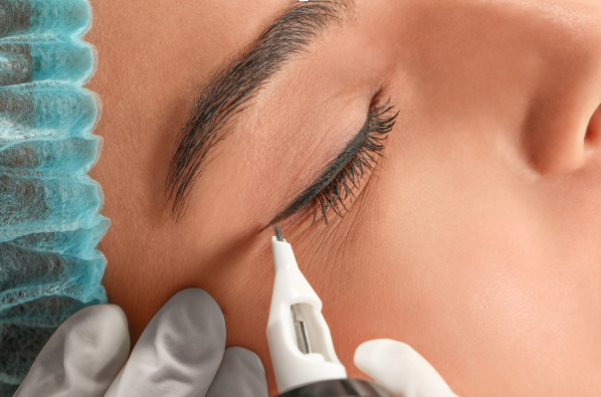
The cosmetic tattoo industry in Australia has experienced remarkable growth over recent years, with increasing demand for services such as eyebrow tattooing, lip blush, eyeliner tattooing, and advanced permanent makeup treatments. As more clients seek long-lasting beauty solutions, the need for highly trained cosmetic tattoo professionals has never been greater. For aspiring beauty professionals, mastering cosmetic tattoo techniques requires more than creativity and precision. It demands structured education, hands-on practice, accreditation, and ongoing professional development. Choosing the right cosmetic tattoo training course is essential for building technical confidence, achieving certification, and establishing a rewarding career in this highly specialised field. Whether you are completely new to cosmetic tattooing or an experienced beauty therapist looking to expand your services, understanding available training pathways will help you make informed decisions about your future. This guide explores the essential training courses, the importance of accreditation, certification requirements, and practical steps for building long-term career success in cosmetic tattooing. Why Cosmetic Tattoo Training Matters Cosmetic tattooing is a technical procedure that combines artistry with skin science, safety protocols, and client care. Without proper education, practitioners risk: Professional cosmetic tattoo training ensures students gain the practical and theoretical knowledge needed to perform treatments safely and effectively. A quality training program provides the foundation for confidence, technical precision, and professional credibility. Types of Cosmetic Tattoo Training Courses There are several types of cosmetic tattoo training programs available, each designed to support different stages of professional development. Understanding these options can help aspiring practitioners choose the most appropriate pathway. Beginner Cosmetic Tattoo Courses Beginner courses are designed for students with little or no prior experience in cosmetic tattooing. These foundational programs introduce essential concepts such as: Beginner training focuses on building confidence and establishing strong technical habits from the start. For many students, this is the ideal first step toward entering the permanent makeup industry. Microblading Training Microblading remains one of the most popular cosmetic tattoo treatments in Australia. This specialised training teaches students how to create realistic hair-stroke brows using manual techniques. Key learning areas include: Brow Mapping Students learn to assess facial proportions and create symmetrical brow designs suited to individual clients. Hair-Stroke Technique Precision hand movements are developed to create natural-looking brow strokes. Pigment Selection Understanding skin tone and undertones is essential for selecting appropriate pigments. Microblading training provides an excellent entry point for beginners interested in eyebrow-focused cosmetic tattoo services. Advanced Permanent Makeup Courses Once foundational skills are established, advanced permanent makeup courses allow practitioners to broaden their service offerings. These programs often include: Advanced training helps practitioners refine their artistry and offer more comprehensive cosmetic tattoo services. It also creates greater flexibility for career growth. Diploma of Cosmetic Tattooing A Diploma of Cosmetic Tattooing offers a more comprehensive and formal qualification for those pursuing long-term professional success. These programs typically provide extensive instruction in: A diploma-level qualification can significantly strengthen professional credibility and improve employment opportunities. Many Australian employers and clients value practitioners with recognised qualifications. Masterclasses and Skill Refinement Workshops Even experienced practitioners benefit from ongoing advanced education. Masterclasses provide intensive opportunities to: Because cosmetic tattooing continues to evolve, regular upskilling helps professionals remain competitive in the Australian market. Why Accreditation Is Essential Accreditation is one of the most important factors when selecting cosmetic tattoo training. Accredited courses meet recognised educational and professional standards, ensuring students receive quality instruction. Choosing accredited training offers several advantages Industry Recognition Accredited qualifications strengthen professional credibility. Clients and employers are more likely to trust practitioners who have completed recognised training. Stronger Technical Foundations Accredited programs typically provide more comprehensive education, including both theory and practical application. Better Career Opportunities Graduates of recognised courses often have stronger employment and business opportunities. In Australia’s growing beauty sector, formal education can help practitioners stand out in a competitive field. Certification Requirements in Australia Certification requirements vary depending on course providers and local state regulations. However, most professional cosmetic tattoo training includes assessment in both theory and practical competency. Students are generally required to demonstrate proficiency in: Many courses also require supervised work on live models before certification is awarded. Completing these requirements ensures graduates are prepared for real-world professional practice. Building Practical Confidence Through Hands-On Training Practical experience is one of the most valuable components of cosmetic tattoo training. Theory alone cannot prepare students for the precision required in cosmetic tattoo procedures. Quality training includes hands-on practice through: Hands-on learning allows students to build control, consistency, and confidence. This practical foundation is essential for delivering safe, professional results to future clients. Career Pathways After Cosmetic Tattoo Training Cosmetic tattoo training opens a wide range of professional opportunities. Graduates may choose to pursue several career pathways. Working in Cosmetic Clinics Many new practitioners begin by joining established cosmetic clinics. This provides: Operating an Independent Studio Many certified cosmetic tattoo artists eventually establish their own businesses. Running an independent studio offers: Mobile Cosmetic Tattoo Services Some practitioners offer mobile cosmetic tattoo treatments, providing convenience for clients across metropolitan and regional areas. Advanced Specialisation Experienced artists often specialise in areas such as: Specialisation can significantly increase professional demand and career progression. Building a Successful Long-Term Career Technical skill is only one part of long-term success. Building a thriving cosmetic tattoo career also requires strong business and client management skills. Develop a Professional Portfolio High-quality before-and-after results demonstrate technical ability and build trust. A polished portfolio supports both employment and client acquisition. Invest in Continuing Education The beauty industry evolves quickly. Ongoing education ensures practitioners remain current with: Focus on Client Experience Excellent consultation, communication, and aftercare support build long-term client relationships. Satisfied clients often generate repeat business and referrals. Build Industry Networks Attending workshops, masterclasses, and beauty events helps practitioners connect with peers and industry leaders. Networking often creates valuable professional opportunities. Choosing the Right Training Provider Selecting the right education provider can shape your entire career. When comparing cosmetic tattoo courses, look for: A quality provider offers more than technical instruction; they help students build confidence and professional readiness.
Master Cosmetic Tattoo Techniques in Sydney: Training, Certification & Careers
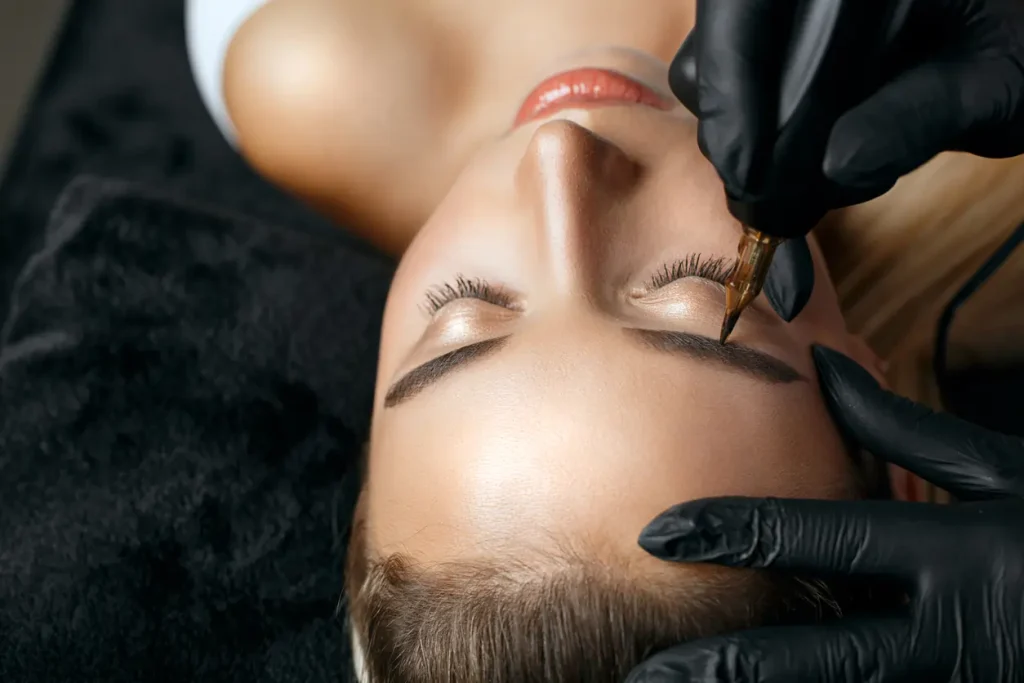
Cosmetic tattooing in Sydney continues to grow as more clients seek long-lasting beauty solutions, and more practitioners enter the industry. This guide outlines the key techniques, training pathways, certification requirements, and safety standards that underpin a successful career in cosmetic tattooing. Training Programs in Sydney Cosmetic tattoo training programs in Sydney are designed to develop both artistic ability and clinical precision. Courses typically combine practical skill development with infection control and safety education. Common areas of study include microblading, lip blush tattooing, and eyeliner tattooing. Course durations vary depending on the level of training and specialisation, allowing students to choose a pathway aligned with their goals. These programs are structured to ensure students gain hands-on experience while learning essential hygiene and client safety protocols. This combination ensures graduates are better prepared for real-world practice. Certification Requirements Certification is an important milestone in cosmetic tattoo training. It demonstrates that a practitioner has met recognised competency standards and can perform procedures safely and effectively. The key benefits of certification include improved client trust, compliance with regulatory expectations, and increased career opportunities within the beauty industry. Accredited training ensures that graduates are taught according to established industry guidelines, supporting both professional credibility and long-term career development. Career Pathways Once qualified, cosmetic tattoo artists can explore a variety of career pathways depending on their interests and goals. Many begin their careers working in established salons, gaining valuable experience under supervision. Others move directly into self-employment, offering mobile or studio-based services and building their own brand. Specialisation is another common pathway, with artists focusing on areas such as microblading, lip blush, or paramedical tattooing to expand their service offering and attract a wider client base. Each pathway offers different levels of flexibility, income potential, and creative freedom. Additional Considerations for New Artists Beyond technical training, long-term success in cosmetic tattooing also depends on strong business foundations. Skills such as client management, marketing, and financial planning are essential for building a sustainable practice. Access to a professional workspace can also support career growth. Many emerging artists in Sydney explore room hire options to establish themselves in a controlled, professional environment before opening their own studio. Core Cosmetic Tattoo Techniques Taught in Sydney Training programs focus on foundational techniques that form the basis of most cosmetic tattoo services. Eyebrow tattooing uses hair-like strokes or shading techniques to create natural-looking brows. Lip blush tattooing enhances lip colour and definition while maintaining a soft finish. Mastering these core techniques allows artists to deliver consistent results and build confidence before progressing to advanced procedures. How Microblading Enhances Eyebrow Appearance Microblading is a popular technique that uses fine, hair-like strokes to replicate natural eyebrow hairs. It is designed to enhance shape, fill sparse areas, and create a balanced facial appearance. The benefits of microblading include a natural finish, long-lasting results that typically last between one and three years, and a highly customisable design tailored to each client’s facial structure. It is particularly suited to clients seeking a low-maintenance solution for fuller, well-defined brows. Benefits of Microshading and Permanent Makeup Microshading, often referred to as ombre brows, and other permanent makeup techniques provide soft, powdered effects or enhanced definition for brows, lips, and eyeliner. These techniques offer several advantages, including reduced daily makeup time, consistent results, and long-lasting, smudge-resistant wear that suits active lifestyles. They are ideal for clients seeking a polished, low-maintenance beauty routine. Accredited Cosmetic Tattoo Training Options in Sydney Sydney offers a range of accredited training providers that combine theory with supervised practical experience. These programs are designed to prepare students for certification and professional practice by teaching both technical skills and safety procedures. Enroling in an accredited course ensures students receive structured training aligned with industry expectations and regulatory standards. Certification Bodies in Cosmetic Tattooing Certification and accreditation in cosmetic tattooing are overseen by recognised organisations that maintain industry standards and training quality. These bodies ensure that training programs meet safety, competency, and educational requirements, helping maintain public confidence in the industry. Course Duration Overview Cosmetic tattoo training courses vary in length depending on the technique and depth of study. Microblading courses typically run for around six weeks, lip blush training for approximately four weeks, and eyeliner tattooing courses for around five weeks. These timeframes allow students to develop technical ability while gaining essential safety and practical experience. Safety and Hygiene Standards in Cosmetic Tattooing Safety and hygiene are fundamental to all cosmetic tattoo procedures. Strict infection control, sterilisation protocols, and client screening processes are essential to ensure safe outcomes. Practitioners must understand potential risks and follow industry-standard procedures to minimise complications and protect client health. How Safety Protocols Are Integrated into Training Safety is embedded throughout cosmetic tattoo training programs. Students are taught infection control procedures, emergency response protocols, and regulatory compliance requirements. These components are reinforced through both theory and practical training to ensure safe application in real-world settings. Regulatory Requirements for Practitioners Cosmetic tattoo practitioners must comply with relevant licensing, health regulations, and ongoing professional development requirements. Adhering to these standards ensures safe practice, reduces legal risk, and strengthens professional credibility within the industry. Building a Successful Career After Training Success in cosmetic tattooing requires more than technical skill. Building a strong portfolio, gaining hands-on experience, and developing a professional network are all key steps in establishing a successful career. Many practitioners start in salon environments before transitioning into independent work as their confidence and client base grow. Career Pathways and Business Models Cosmetic tattoo artists can choose from several business models depending on their goals. Eyeliner tattooing defines the lash line for a more structured eye appearance. Some prefer freelance work for flexibility, while others establish their own studios for greater control and branding opportunities. Collaboration with other beauty professionals is also common, offering access to wider client networks. Each model offers different opportunities for growth and income development. Conclusion Cosmetic tattooing in Sydney offers a rewarding career path for those willing to invest in accredited training, practical experience, and ongoing education. Choosing
Unlock Your Career with Accredited Cosmetic Tattoo Training

A career in cosmetic tattooing blends creativity, precision, and strong earning potential. With the right accredited training, aspiring artists gain the technical skills, clinical knowledge, and supervised experience needed to enter the industry confidently. This guide breaks down certification requirements, career pathways, industry standards, and training options to help you make informed decisions about your future in cosmetic tattooing. What Is Accredited Cosmetic Tattoo Training and Why It Matters Accredited cosmetic tattoo training ensures students meet recognised industry standards in both theory and practical application. These programs are designed to prepare practitioners for safe, compliant, and professional work in real clinical environments. Training typically includes: Accreditation is important because it provides structured quality assurance and ensures graduates are job-ready, not just course-complete. Certification Requirements in Cosmetic Tattooing Certification confirms that a practitioner has achieved competency in both technical skill and professional knowledge. Accredited programs generally require: These requirements ensure practitioners are prepared to deliver safe and consistent cosmetic tattoo procedures. Professional Pathways After Cosmetic Tattoo Training Accredited training opens the door to multiple career directions, depending on your goals and business ambitions. Salon Employment Many graduates begin their careers in established beauty salons to: Independent Practice Some practitioners choose to operate independently, offering: Specialisation Advanced training allows artists to focus on: Each pathway offers different levels of flexibility, income potential, and creative control. Career Opportunities in Cosmetic Tattooing Accredited training supports a wide range of industry roles like Cosmetic Tattoo Artist, Beauty Consultant, PMU Trainer, and Studio Owner. These roles allow practitioners to build sustainable careers while helping clients improve confidence and appearance. How Accreditation Supports Career Growth Accreditation validates professional competency and strengthens your position in the beauty industry. Benefits include: Accredited training also ensures consistent exposure to essential topics such as colour theory, skin science, and advanced application techniques. Available Accredited Cosmetic Tattoo Courses Training pathways are designed for all experience levels: Basic Cosmetic Tattoo Courses Microblading Training Advanced PMU Courses Each course builds progressively, ensuring students develop both confidence and competence. Safety, Hygiene, and Industry Standards Strict safety standards are essential in cosmetic tattooing to protect both clients and practitioners. Core training includes: Proper training reduces risk and ensures consistent, high-quality outcomes. Research consistently highlights the importance of hygiene and infection control in preventing complications and maintaining professional standards in tattoo-related procedures. Legal Requirements and Best Practices in Australia Cosmetic eyeliner tattoo practitioners must comply with legal and professional standards, including: These safeguards help reduce legal risk and ensure ethical practice within the industry. Ensuring Client Safety Through Accredited Training Accredited programs embed structured safety systems throughout training. Key components include: Prioritising client safety builds trust, improves reputation, and supports long-term business success. Earning Potential and Industry Demand The demand for certified cosmetic tattoo artists continues to grow across Australia. Earning potential varies based on experience, location, and client base, but certified professionals can typically earn competitive incomes as they build their reputation and portfolio. With strong industry growth, cosmetic tattooing offers a stable and scalable career pathway for trained practitioners. Career Support and Professional Development Spaces Beyond training, access to professional environments can support real-world growth and confidence-building. For artists seeking a professional space to practice, grow their portfolio, or develop their business, Future Aesthetica provides industry-focused support designed to help cosmetic tattoo practitioners elevate their careers. Conclusion Accredited cosmetic tattoo training provides the foundation for a safe, skilled, and successful career in the beauty industry. With structured education, recognised certification, and hands-on experience, practitioners are well-positioned to enter a growing and competitive market. Choosing accredited training ensures you meet industry standards, build client trust, and unlock long-term career opportunities. For those ready to take the next step in their cosmetic tattoo journey, Future Aesthetica offers professional support and space to help you grow with confidence.