
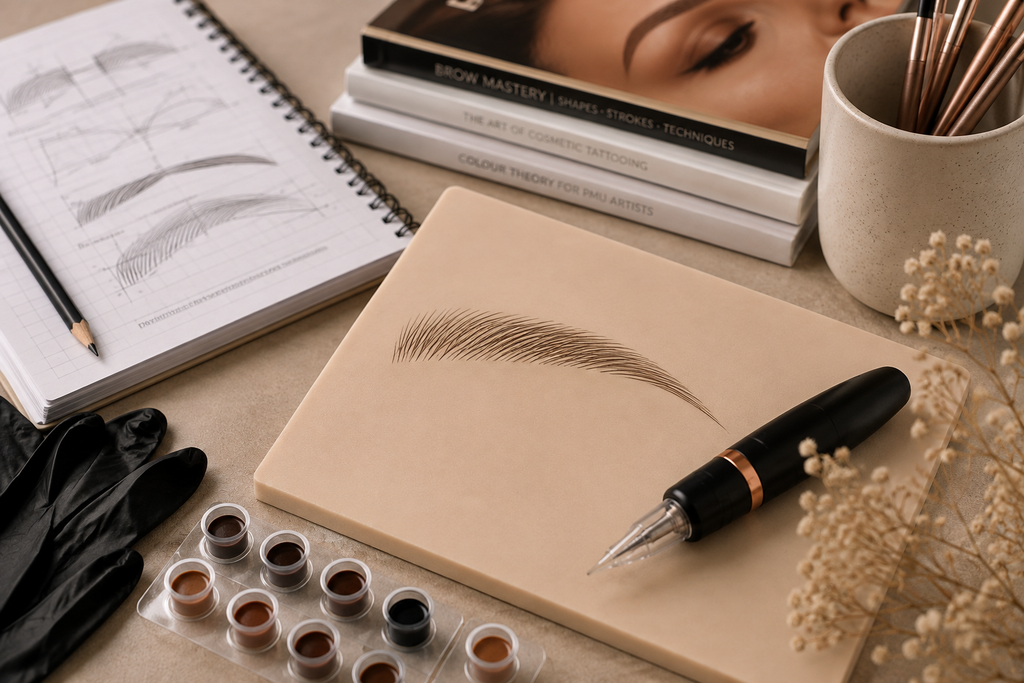


Aspiring beauty professionals pursue qualified cosmetic tattoo courses to sharpen skills and broaden career options. These programmes deliver core theory and hands‑on practice in cosmetic tattooing, covering techniques such as microblading and microshading. Familiarity with entry requirements, instructional methods, and industry standards is essential before you enrol. This article examines course prerequisites, teaching methodologies, regulatory expectations and likely career pathways in Sydney. By the end, you’ll understand what it takes to build a successful career in cosmetic tattooing.
Course Requirements
Most Sydney online courses set clear entry criteria: you must be at least 18, show a commitment to aesthetics and be prepared to learn both practical and theoretical skills. Providers often recommend a basic beauty therapy qualification or equivalent salon experience. Choose programmes accredited by recognised bodies to ensure the curriculum aligns with industry standards and equips you with the competencies employers expect.
Training Methodologies
Training typically combines classroom theory with supervised practical work. Many programmes use blended learning online modules paired with in‑clinic practice, so you consolidate knowledge before working on clients. Mentorship from experienced practitioners is a core component, offering technical feedback and professional guidance throughout your course.
Industry Standards
Compliance with industry standards is non‑negotiable. Strict health and safety regulations govern client care and salon hygiene to minimise infection risk. Lifelong professional development keeps you current with techniques and trends, while rigorous client‑safety protocols help build trust. For beauty professionals expanding services, suitable room hire in Sydney provides a compliant, professional treatment environment.
Potential Career Opportunities
Completing a certified course opens multiple career routes. Graduates can take roles in salons or clinics, work freelance to set their own schedules, or establish studios offering a range of cosmetic tattoo services.
To progress, commit to continuous training and industry networking. Attend workshops and events to refine techniques, expand your client base and build professional relationships.
What Are the Accredited Cosmetic Tattoo Training Options in Sydney?
Sydney hosts several accredited providers delivering comprehensive cosmetic tattoo programmes. Accreditation from recognised bodies confirms course quality and gives you confidence in the qualification you earn.
Which Permanent Makeup and Microblading Courses Are Recognised?
Recognised permanent makeup and microblading courses cover skin anatomy, colour theory and hands‑on application. Accreditation from regulators such as ASQA helps ensure course outcomes meet national quality standards and prepare you for professional practice.
How Do Course Accreditations Impact Career Prospects?
Accreditation materially affects your employability. Graduates of accredited programmes demonstrate verified competencies that employers value, widening job opportunities and often supporting higher earning potential as a credentialed practitioner.
What Core Techniques and Modules Are Covered in Professional Cosmetic Tattoo Courses?
Professional courses teach core techniques and theoretical modules essential for competent practice. These commonly include:
- Microblading Techniques: Students learn the art of creating natural-looking hair strokes for eyebrow enhancement.
- Microshading Techniques: This module focuses on creating soft, shaded effects for a more defined look.
- Colour Theory: Understanding colour selection and application is crucial for achieving desired results.
What Skills Will You Learn in Microblading and Microshading Training?
Microblading and microshading modules develop technical competencies you will use in client work, including:
- Precision Application: Mastering the technique of applying pigment with accuracy.
- Client Consultation: Learning how to assess client needs and preferences effectively.
- Aftercare Guidance: Providing clients with proper aftercare instructions to ensure optimal healing.
How Is Hands-On Practical Training Integrated into Course Curriculum?
Hands‑on practice is integrated throughout the curriculum. Under instructor supervision, you’ll rehearse techniques on models, receive corrective feedback and build a portfolio of treated cases that demonstrates readiness for professional practice.
How Do Safety and Hygiene Standards Shape Cosmetic Tattoo Training in Sydney?
Safety and hygiene underpin every Accredited training programme. Courses emphasise infection control, correct sterilisation and single‑use protocols, and teach mandatory health and safety measures to protect both you and your clients.
What Are the Mandatory Health and Safety Practices Taught?
Mandatory health and safety practices taught include:
- Infection Control: Understanding how to prevent infections through proper sanitation.
- Emergency Response Procedures: Learning how to handle emergencies effectively and safely.
How Do Training Providers Ensure Compliance with Australian Industry Standards?
Providers maintain compliance by updating curricula to reflect regulatory changes and by employing instructors with proven industry experience and credentials. Regular assessments and internal quality checks support ongoing accreditation and training integrity.
What Career Pathways and Support Follow Completion of Cosmetic Tattoo Certification?
After certification, graduates gain access to employment pathways and support resources. Many providers offer job‑placement assistance and facilitate introductions to reputable salons and clinics, while industry events and workshops provide networking opportunities.
How Can Graduates Build Successful Careers in the Beauty Industry?
You can build a successful career by:
- Continuing Education: Engaging in ongoing training to stay updated on industry trends.
- Building a Strong Portfolio: Showcasing your work to attract potential clients and employers.
- Networking: Connecting with other professionals in the industry to explore new opportunities.
What Post-Training Resources and Mentorship Are Available?
Post‑training resources commonly include online forums, advanced workshops and one‑to‑one mentorship. Ongoing mentorship helps new artists refine technique, manage client care and navigate business challenges.
Conclusion
Enroling in a qualified cosmetic tattoo course in Sydney provides the technical skills and professional knowledge required to launch a career in the beauty industry. Understanding entry requirements, teaching methods, and industry standards demonstrates the value of accredited education and ensures graduates prioritise client safety and satisfaction. Take the next step in your professional development by reviewing training options that match your goals. Discover our recommended courses today to begin your path toward certification as a cosmetic tattoo artist.