

A career in cosmetic tattooing combines creative artistry with precise technical skill. This guide explains qualified cosmetic training and certification in Sydney, the course options available, the core techniques you will master, and the career pathways that follow. Many aspiring artists find the choices and regulatory requirements confusing, so clear knowledge of certification steps and essential skills will help you plan a successful professional practice. We cover course structures, key techniques, the distinction between microblading and microshading, permanent makeup procedures, certification protocols, entry requirements, and career opportunities.
Course Details
Choose courses that match your experience level. Training ranges from introductory beginner programmes to intensive diplomas and specialist masterclasses. Each programme emphasises practical technique, clinical hygiene, and client consultation, so you are ready for professional work.
| Course Type | Duration | Key Focus |
|---|---|---|
| Beginner Courses | 4 weeks | Introduction to basic techniques and hygiene standards |
| Diploma of Cosmetic Tattooing | 12 weeks | Comprehensive training in various cosmetic tattooing methods |
| Advanced Masterclasses | 2 weeks | Specialised techniques for experienced practitioners |
Each programme is structured to build practical competence, clinical safety and client-management skills necessary to excel in the beauty industry.
Essential Techniques Covered
Training covers the technical foundations you will use daily: manual hairstroke techniques, machine-based micropigmentation methods and rigorous infection-control procedures. These form the clinical backbone of practice.
- Microblading Techniques: This involves using a manual tool to create hair-like strokes for natural-looking eyebrows.
- Permanent Makeup Methods: Techniques such as lip blush tattooing and eyeliner tattooing are covered, allowing artists to enhance clients’ features permanently.
- Health and Safety Protocols: Understanding infection control and client consultation processes is vital for maintaining high standards in practice.
Mastering these techniques ensures you meet client expectations while remaining compliant with health and safety standards.
Differences Between Microblading and Microshading
Microblading and microshading are distinct approaches within eyebrow cosmetic tattooing, each suited to different aesthetic goals and skin types.
- Technique Differences: Microblading uses a manual tool to create fine, hair-like strokes, while microshading employs a machine to create a soft, powdered effect.
- Suitability for Skin Types: Microblading is often recommended for those with normal to dry skin, whereas microshading can be more suitable for oily skin types.
- Expected Results: Microblading typically produces a more natural appearance, while microshading offers a fuller, more defined look.
Knowing these distinctions helps you advise clients during consultation and select the best technique for their skin and desired outcome.
Permanent Makeup Procedures Included
Certification programmes include core permanent‑makeup procedures that enhance facial features and deliver lasting results.
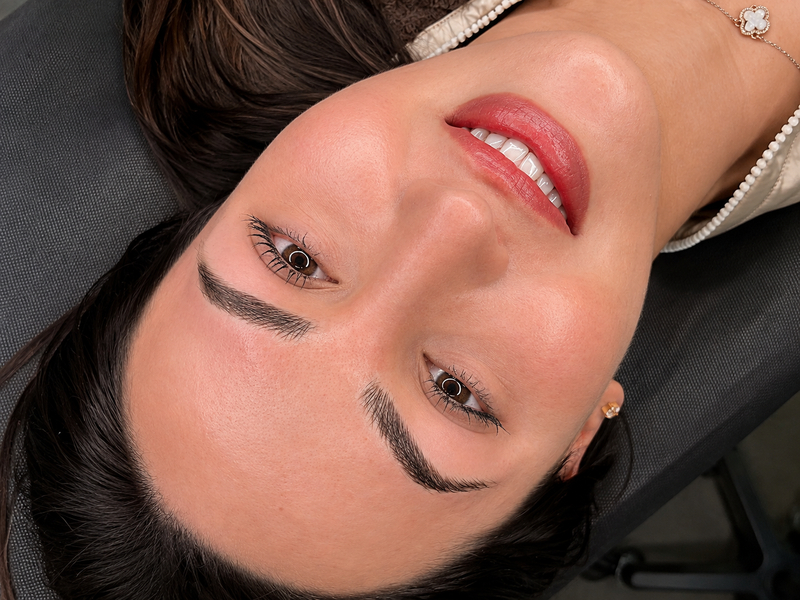
- Eyebrow Tattooing Techniques: This includes both microblading and microshading methods to achieve the desired brow shape and fullness.
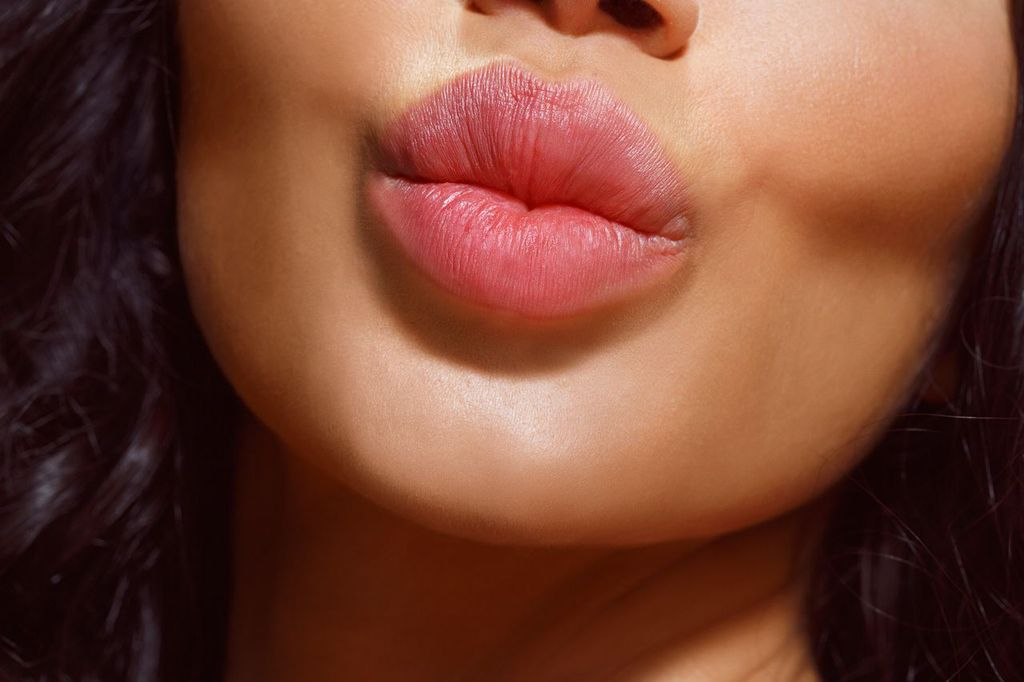
- Lip Blush Tattooing: A technique that enhances the natural colour and shape of the lips, providing a subtle tint.
- Eyeliner Tattooing: This procedure defines the eyes, offering a long-lasting solution to traditional eyeliner.
These modules ensure graduates are competent in contemporary techniques and prepared for client work.
Certification Process
Certification follows a structured assessment framework designed to verify both theoretical knowledge and practical ability.
- Assessment Criteria: Students must demonstrate proficiency in both theoretical knowledge and practical skills.
- Practical Evaluations: Hands-on assessments are conducted to evaluate the student’s ability to perform procedures safely and effectively.
- Industry Standards: Certification programs align with current industry standards, ensuring that graduates are prepared for professional practice.
This rigorous assessment pathway builds professional credibility and confirms you can perform procedures safely to industry standards.
Requirements and Duration
Course entry often requires meeting specific prerequisites and committing to the stated course duration.
- Duration of Courses: Programs typically range from 4 weeks for beginner courses to 12 weeks for comprehensive diplomas.
- Prerequisites for Enrolment: Some courses may require prior experience in the beauty industry or completion of specific foundational courses.
- Certification Outcomes: Graduates receive certification upon successful completion of the program, enabling them to practice professionally.
Clarifying prerequisites and time commitments lets you plan your training pathway and professional timeline effectively.
Career Opportunities
Completion of accredited training and certification opens multiple professional avenues within the beauty sector.
- Job Roles Available: Certified practitioners can work in salons, spas, or as independent artists offering their services.
- Business Models for Artists: Many choose to establish their own businesses, providing flexibility and control over their careers.
- Industry Demand: The beauty industry continues to grow, with increasing demand for skilled cosmetic tattoo artists.
These pathways demonstrate the potential for a sustainable, flexible career as a qualified cosmetic tattoo practitioner.
Securing appropriate premises is essential when you practise or run training sessions. If you need a dedicated space in Sydney, consider the options for room hire in Sydney that cater to beauty services.
Conclusion
A career in cosmetic tattooing offers creative fulfilment and the opportunity to enhance clients’ natural features. With comprehensive, accredited training and certification from Future Aesthetica, you’ll gain practical techniques, infection control knowledge and client consultation skills needed for professional practice. Explore available training pathways and take the next step towards building your portfolio, refining your skills and advancing your career in the cosmetic tattoo industry.