
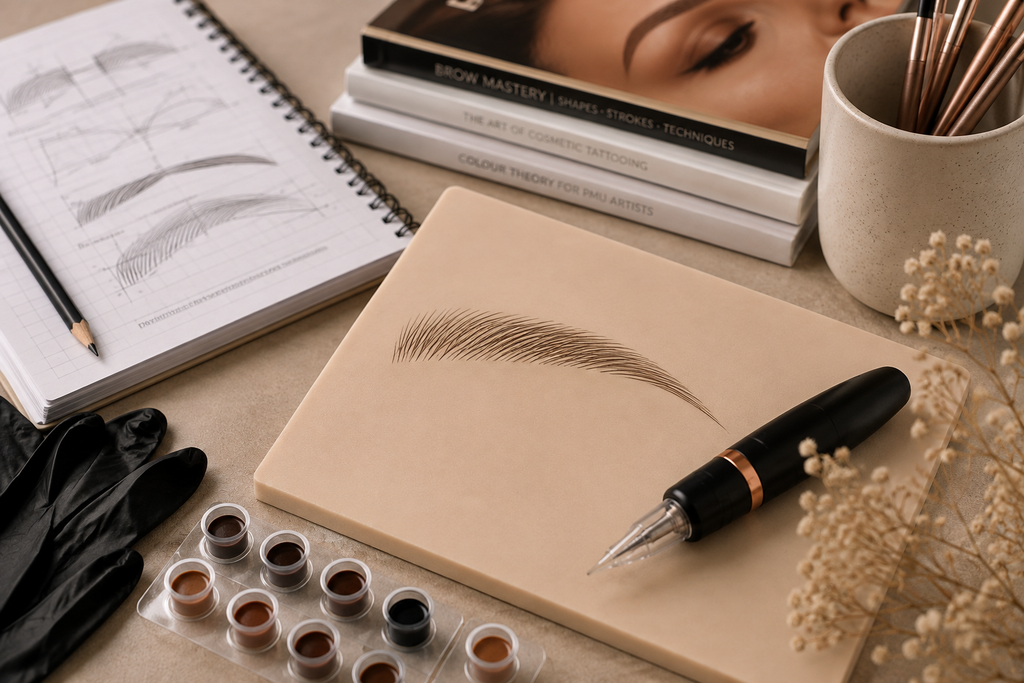


The cosmetic tattoo industry in Australia has experienced remarkable growth over recent years, with increasing demand for services such as eyebrow tattooing, lip blush, eyeliner tattooing, and advanced permanent makeup treatments. As more clients seek long-lasting beauty solutions, the need for highly trained cosmetic tattoo professionals has never been greater.
For aspiring beauty professionals, mastering cosmetic tattoo techniques requires more than creativity and precision. It demands structured education, hands-on practice, accreditation, and ongoing professional development. Choosing the right cosmetic tattoo training course is essential for building technical confidence, achieving certification, and establishing a rewarding career in this highly specialised field.
Whether you are completely new to cosmetic tattooing or an experienced beauty therapist looking to expand your services, understanding available training pathways will help you make informed decisions about your future. This guide explores the essential training courses, the importance of accreditation, certification requirements, and practical steps for building long-term career success in cosmetic tattooing.
Why Cosmetic Tattoo Training Matters
Cosmetic tattooing is a technical procedure that combines artistry with skin science, safety protocols, and client care.
Without proper education, practitioners risk:
- Delivering inconsistent results
- Creating poor cosmetic outcomes
- Compromising client safety
- Failing to meet Australian hygiene standards
- Limiting career growth opportunities
Professional cosmetic tattoo training ensures students gain the practical and theoretical knowledge needed to perform treatments safely and effectively.
A quality training program provides the foundation for confidence, technical precision, and professional credibility.
Types of Cosmetic Tattoo Training Courses
There are several types of cosmetic tattoo training programs available, each designed to support different stages of professional development.
Understanding these options can help aspiring practitioners choose the most appropriate pathway.
Beginner Cosmetic Tattoo Courses
Beginner courses are designed for students with little or no prior experience in cosmetic tattooing.
These foundational programs introduce essential concepts such as:
- Skin anatomy and physiology
- Infection control and hygiene protocols
- Colour theory
- Equipment handling
- Client consultation processes
- Basic cosmetic tattoo application
Beginner training focuses on building confidence and establishing strong technical habits from the start.
For many students, this is the ideal first step toward entering the permanent makeup industry.
Microblading Training: Understanding the Evolution of Brow Tattooing
Microblading remains one of the most searched cosmetic tattoo treatments in Australia, and many aspiring artists begin their research looking for microblading training. While it played an important role in the evolution of cosmetic tattooing, many experienced artists and educators have since transitioned to more advanced machine techniques.
At Future Aesthetica, we educate our students on why the industry is evolving. Rather than teaching manual microblading, we specialise in nano feathering and digital machine hairstrokes -techniques that create incredibly fine, realistic hair strokes while offering greater precision, improved pigment implantation, and reduced trauma to the skin. These methods are suitable for a wider range of skin types and often produce softer, more predictable healed results over time.
Key Skills You’ll Learn
Advanced Brow Mapping
Develop the ability to assess facial proportions and design customised brows that complement each client’s unique features.
Nano Feathering & Machine Hairstrokes
Learn to create ultra-fine, realistic hair strokes using modern digital machine techniques that reflect today’s industry best practice.
Pigment Theory & Colour Selection
Understand skin undertones, colour correction, healed results, and pigment selection to achieve beautiful long-term outcomes.
Whether you’re new to cosmetic tattooing or looking to build a long-term career, learning modern machine techniques provides a strong foundation that aligns with where the industry is heading.
Advanced Permanent Makeup Courses
Once foundational skills are established, advanced permanent makeup courses allow practitioners to broaden their service offerings.
These programs often include:
- Lip blush tattooing
- Eyeliner tattooing
- Combination brows
- Powder brows
- Colour correction
- Correction and removal techniques
Advanced training helps practitioners refine their artistry and offer more comprehensive cosmetic tattoo services.
It also creates greater flexibility for career growth.
Diploma of Cosmetic Tattooing
A Diploma of Cosmetic Tattooing offers a more comprehensive and formal qualification for those pursuing long-term professional success.
These programs typically provide extensive instruction in:
- Advanced cosmetic tattoo techniques
- Client assessment and management
- Australian health regulations
- Skin science
- Business operations
- Professional ethics
A diploma-level qualification can significantly strengthen professional credibility and improve employment opportunities.
Many Australian employers and clients value practitioners with recognised qualifications.
Masterclasses and Skill Refinement Workshops
Even experienced practitioners benefit from ongoing advanced education.
Masterclasses provide intensive opportunities to:
- Refine technical precision
- Learn emerging trends
- Receive personalised expert feedback
- Improve correction techniques
- Explore advanced artistic methods
Because cosmetic tattooing continues to evolve, regular upskilling helps professionals remain competitive in the Australian market.
Why Accreditation Is Essential
Accreditation is one of the most important factors when selecting cosmetic tattoo training.
Accredited courses meet recognised educational and professional standards, ensuring students receive quality instruction.
Choosing accredited training offers several advantages
Industry Recognition
Accredited qualifications strengthen professional credibility.
Clients and employers are more likely to trust practitioners who have completed recognised training.
Stronger Technical Foundations
Accredited programs typically provide more comprehensive education, including both theory and practical application.
Better Career Opportunities
Graduates of recognised courses often have stronger employment and business opportunities.
In Australia’s growing beauty sector, formal education can help practitioners stand out in a competitive field.
Certification Requirements in Australia
Certification requirements vary depending on course providers and local state regulations.
However, most professional cosmetic tattoo training includes assessment in both theory and practical competency.
Students are generally required to demonstrate proficiency in:
- Safe hygiene practices
- Equipment handling
- Client consultation
- Treatment planning
- Practical cosmetic tattoo application
- Aftercare education
Many courses also require supervised work on live models before certification is awarded.
Completing these requirements ensures graduates are prepared for real-world professional practice.
Building Practical Confidence Through Hands-On Training
Practical experience is one of the most valuable components of cosmetic tattoo training.
Theory alone cannot prepare students for the precision required in cosmetic tattoo procedures.
Quality training includes hands-on practice through:
- Synthetic skin exercises
- Guided technique drills
- Live model assessments
- Trainer feedback sessions
Hands-on learning allows students to build control, consistency, and confidence.
This practical foundation is essential for delivering safe, professional results to future clients.
Career Pathways After Cosmetic Tattoo Training
Cosmetic tattoo training opens a wide range of professional opportunities.
Graduates may choose to pursue several career pathways.
Working in Cosmetic Clinics
Many new practitioners begin by joining established cosmetic clinics.
This provides:
- Valuable practical experience
- Mentorship opportunities
- Exposure to diverse client needs
- Professional portfolio development
Operating an Independent Studio
Many certified cosmetic tattoo artists eventually establish their own businesses.
Running an independent studio offers:
- Greater flexibility
- Business ownership opportunities
- Higher earning potential
- Creative control over services
Mobile Cosmetic Tattoo Services
Some practitioners offer mobile cosmetic tattoo treatments, providing convenience for clients across metropolitan and regional areas.
Advanced Specialisation
Experienced artists often specialise in areas such as:
- Scalp micropigmentation
- Areola restoration
- Corrective cosmetic tattooing
- Scar camouflage
Specialisation can significantly increase professional demand and career progression.
Building a Successful Long-Term Career
Technical skill is only one part of long-term success.
Building a thriving cosmetic tattoo career also requires strong business and client management skills.
Develop a Professional Portfolio
High-quality before-and-after results demonstrate technical ability and build trust.
A polished portfolio supports both employment and client acquisition.
Invest in Continuing Education
The beauty industry evolves quickly.
Ongoing education ensures practitioners remain current with:
- Emerging techniques
- New technologies
- Industry regulations
- Client preferences
Focus on Client Experience
Excellent consultation, communication, and aftercare support build long-term client relationships.
Satisfied clients often generate repeat business and referrals.
Build Industry Networks
Attending workshops, masterclasses, and beauty events helps practitioners connect with peers and industry leaders.
Networking often creates valuable professional opportunities.
Choosing the Right Training Provider
Selecting the right education provider can shape your entire career.
When comparing cosmetic tattoo courses, look for:
- Accredited training programs
- Experienced educators
- Comprehensive practical learning
- Ongoing mentorship support
- Strong graduate outcomes
- Australian industry relevance
A quality provider offers more than technical instruction; they help students build confidence and professional readiness.
Why Future Aesthetica Supports Career Success
For aspiring cosmetic tattoo professionals, Future Aesthetica offers comprehensive training designed to prepare students for real-world success.
Their programs provide:
- Beginner-friendly structured learning
- Advanced technique development
- Hands-on practical training
- Expert industry guidance
- Professional mentorship
By combining technical education with career-focused support, Future Aesthetica helps students confidently enter Australia’s growing cosmetic tattoo industry.
Conclusion
Mastering cosmetic tattoo techniques requires dedication, structured education, and practical experience. From beginner courses and microblading training to advanced PMU qualifications and masterclasses, choosing the right training pathway is essential for certification and long-term career success.
Accredited education builds technical confidence, professional credibility, and the practical skills needed to thrive in this dynamic industry. Combined with ongoing learning and a commitment to excellence, quality training creates the foundation for a rewarding cosmetic tattoo career.
For those ready to take the next step, Future Aesthetica offers professional training programs designed to equip aspiring practitioners with the skills, confidence, and certification needed to succeed in Australia’s cosmetic tattoo industry.